
Resin art has become increasingly popular in recent years due to its unique and versatile nature. However, many artists have encountered a frustrating issue when working with resin – it often pulls away from the edges of their artwork. This can result in an uneven finish and a less than desirable outcome.
There are several reasons why resin may pull away from edges. One common cause is the presence of residue, such as dimethicone, on the surface of the substrate. Another reason may be the shape of the surface, such as a curved or sloped edge. Additionally, the thickness of the resin layer and the temperature and humidity of the environment can also play a role in this issue. Understanding the causes of resin pulling away from edges is essential for artists to achieve a successful and professional-looking finished product.
In this article, we will explore the various reasons why resin may pull away from edges and provide tips and solutions to help prevent this issue from occurring. Whether you are a beginner or an experienced resin artist, this information will be valuable in ensuring your artwork looks its best and is free from imperfections.
The Role of Surface Tension
Resin is a liquid that can be poured into a mold or onto a surface to create a smooth, glossy finish. However, sometimes resin can pull away from the edges of the mold or surface, leaving an uneven finish. This can be frustrating for artists and DIY enthusiasts who want their resin projects to look perfect. One reason why resin pulls away from edges is due to surface tension.
Surface tension is the force that causes the surface of a liquid to contract and form a shape that has the smallest possible surface area. In the case of resin, surface tension can cause the liquid to pull away from the edges of a mold or surface because the edges have a larger surface area than the center. This is why when you demold your resin project, there may be an edge on the resin that looks uneven or incomplete.
One way to combat surface tension is to use a release agent on the mold or surface before pouring the resin. A release agent can help the resin flow more evenly and prevent it from pulling away from the edges. Another way to combat surface tension is to use a thicker resin that has a higher viscosity. A thicker resin will be less affected by surface tension and will be more likely to stay in place on the edges of the mold or surface.
Causes of Resin Pulling Away
Uneven Surface and Poor Adhesion
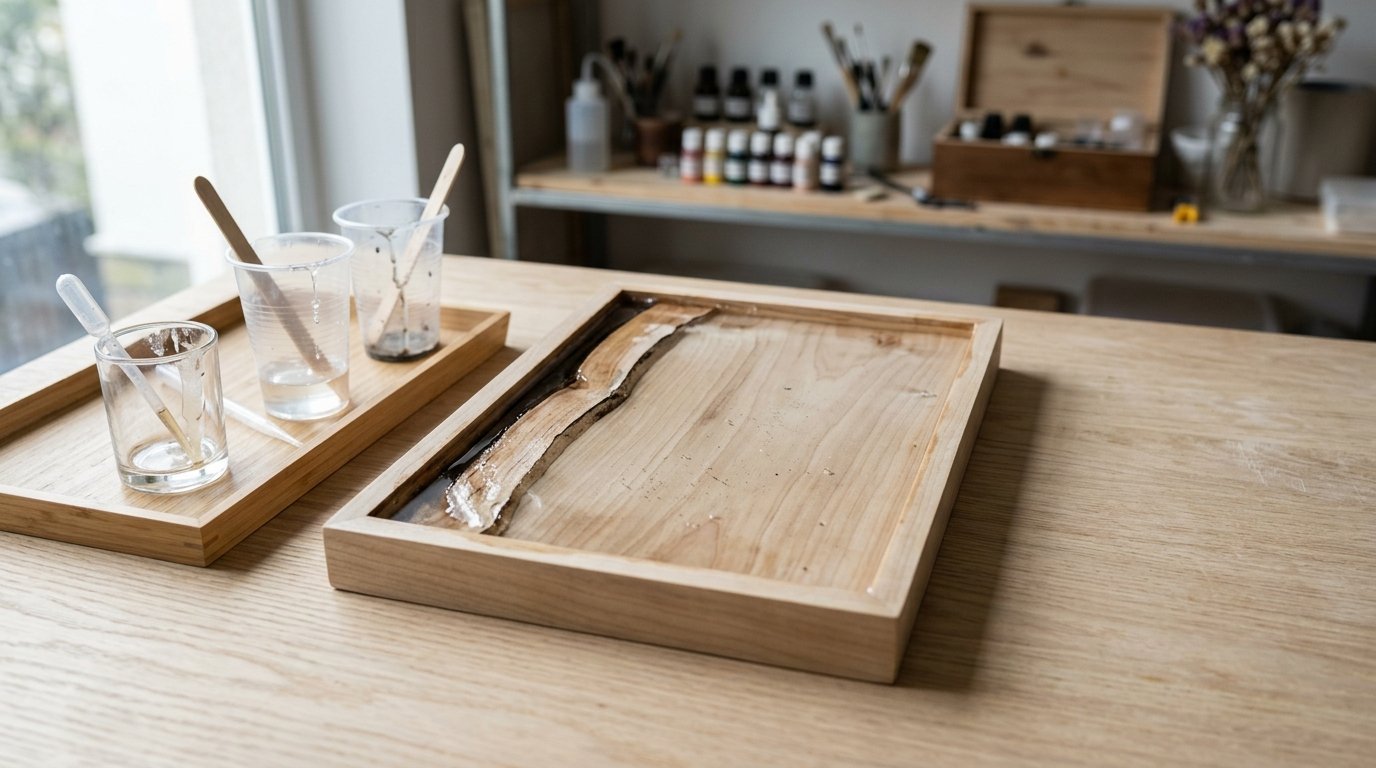
One of the most common reasons why resin pulls away from edges is an uneven surface or poor adhesion. If the surface is not smooth or has bumps, the resin may not adhere properly, causing it to pull away. Similarly, if the surface is not clean or has residual oils or dust, the resin may not stick to it.
If you’re wondering whether resin sticks to cured resin, adhesion depends on proper surface preparation and clean conditions.
To prevent this, make sure to clean the surface thoroughly before applying resin. You can also sand the surface to make it smoother and increase adhesion. Additionally, using a primer or adhesive can help the resin stick to the surface better.
Temperature and Humidity
The temperature and humidity of the environment can also affect how resin adheres to a surface. If the temperature is too low, the resin may not cure properly or may take longer to cure, causing it to pull away. Similarly, high humidity can cause the resin to absorb moisture, which can affect its properties and cause it to pull away.
To prevent this, make sure to apply resin in a temperature-controlled environment with low humidity. You can also use a dehumidifier or heater to control the temperature and humidity if necessary.
Resin Composition and Visco
The composition and viscosity of the resin can also affect how it adheres to a surface. If the resin is too thin or too thick, it may not spread evenly or may not adhere properly, causing it to pull away. Similarly, if the resin has a high shrinkage rate, it may pull away from the edges as it cures.
To prevent this, make sure to use a resin with the right viscosity for your project and follow the manufacturer’s instructions carefully. You can also add fillers or thickeners to the resin to adjust its viscosity or reduce shrinkage.
How to Prevent Resin from Pulling Away
Surface Preparation
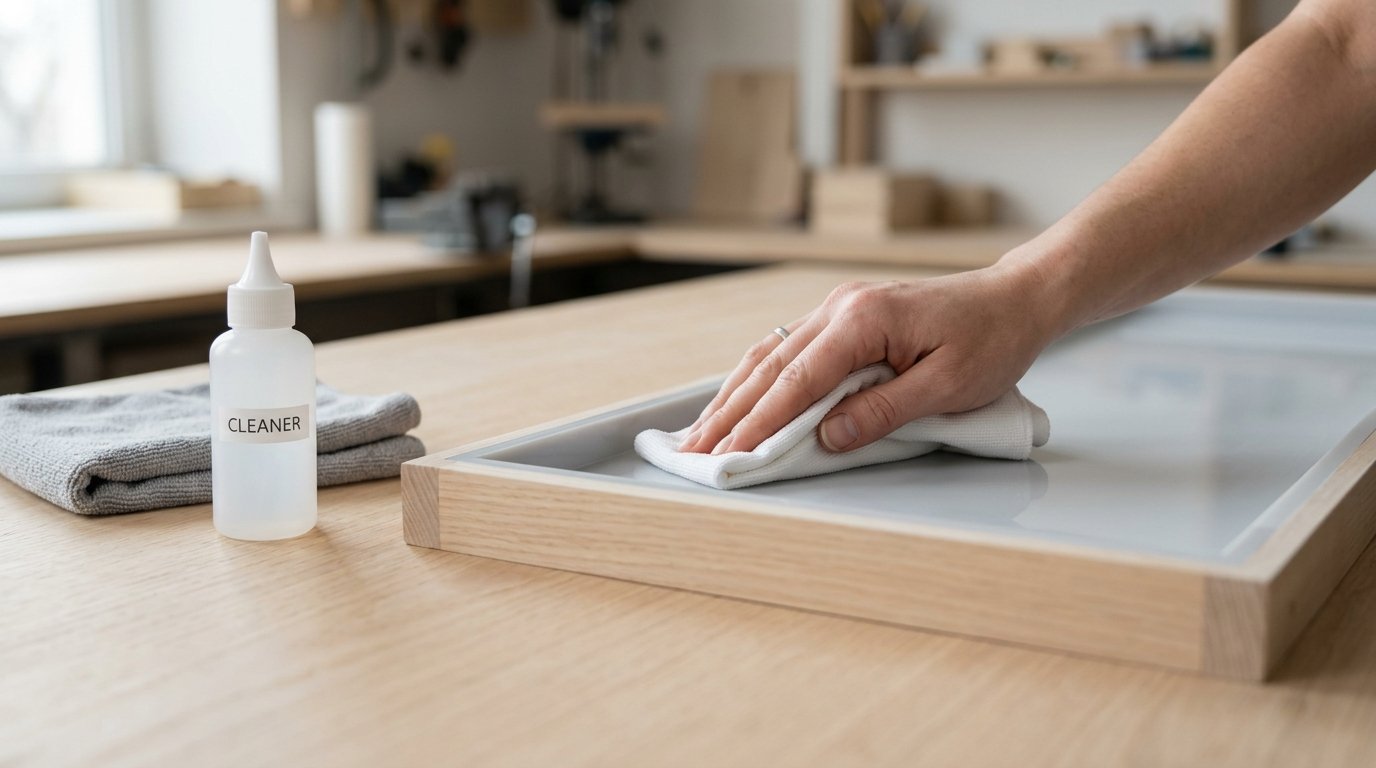
One of the main reasons why resin pulls away from edges is poor surface preparation. Make sure the surface is clean, dry, and free from any contaminants such as dust, oil, or grease. Use a lint-free cloth and a cleaning solution to wipe the surface clean. Allow the surface to dry completely before applying the resin.
You can also use sandpaper to roughen the surface slightly. This helps the resin adhere better to the surface. Make sure to wipe away any dust or debris before applying the resin.
Resin Mixtures and Application
Another reason why resin pulls away from edges is incorrect mixing or application. Follow the manufacturer’s instructions carefully when mixing the resin. Make sure to mix the resin thoroughly to avoid any unmixed areas.
When applying the resin, start from the center and work your way towards the edges. This helps to prevent air bubbles from getting trapped along the edges. Use a plastic spreader or a brush to apply the resin evenly. Avoid over-applying the resin, as this can cause it to pull away from the edges.
Environmental Conditions
The environment in which you apply the resin can also affect its adhesion to the surface. Make sure to apply the resin in a clean and dry environment. Avoid applying the resin in humid or damp conditions, as this can affect its curing process and cause it to pull away from the edges.
Temperature is also an important factor. Make sure to apply the resin at the recommended temperature range. If the temperature is too low, the resin may not cure properly and may pull away from the edges. If the temperature is too high, the resin may cure too quickly and may also pull away from the edges.
By following these tips, you can prevent resin from pulling away from edges and achieve a smooth and even finish.
Conclusion
Resin pulling away from edges can be a frustrating problem for resin artists. While there are several factors that can contribute to this issue, the most common causes are improper surface preparation, using the wrong type of resin, and not applying enough resin to the edges.
It is important to ensure that the surface is clean and free of any oils or contaminants before applying resin. Additionally, selecting a resin that is designed for the specific project and surface can help prevent issues with adhesion.
When applying resin to the edges, it is important to use enough resin to allow it to flow and adhere properly. If the edges are not level or have a slope, it may be necessary to apply multiple layers of resin to achieve a smooth finish.
By following these tips and troubleshooting any issues that arise, resin artists can achieve beautiful and long-lasting pieces without the frustration of resin pulling away from the edges.