Why Is My Epoxy Not Hardening? Causes and Fixes

Epoxy usually fails to harden because the resin and hardener were measured incorrectly, mixed incompletely, poured in the wrong temperature range, contaminated with moisture or additives, or used past its working limits. The fix depends on how uncured it is. A sticky surface may only need cleaning, sanding, and a fresh flood coat. Soft or […]

FAQs Epoxy Resin Pouring: Mixing, Depth, Bubbles, and Fixes

Successful epoxy resin pouring comes down to five basics: measure accurately, mix thoroughly, control the room temperature, respect the product’s pour-depth limit, and protect the surface while it cures. Most failed pours happen because the resin and hardener ratio was off, the sides of the cup were not scraped, the pour was too deep, or […]

FAQs Epoxy Resin Curing: Times, Problems, and Safe Handling

Epoxy resin cures through a chemical reaction between the resin and hardener. Most projects become firm within 24 to 72 hours, but full cure can take several days depending on the product, depth, temperature, and humidity. When epoxy resin does not cure correctly, the usual causes are inaccurate measuring, incomplete mixing, working in a room […]

How to Get Resin Off Skin Safely: Step-by-Step Guide

If you get epoxy resin, UV resin, or mixed resin on your skin, act quickly but gently. Wipe off as much resin as possible with a dry paper towel, then wash the area with plenty of warm water and soap. Use a skin-safe oil, such as cooking oil or baby oil, to loosen sticky residue, […]

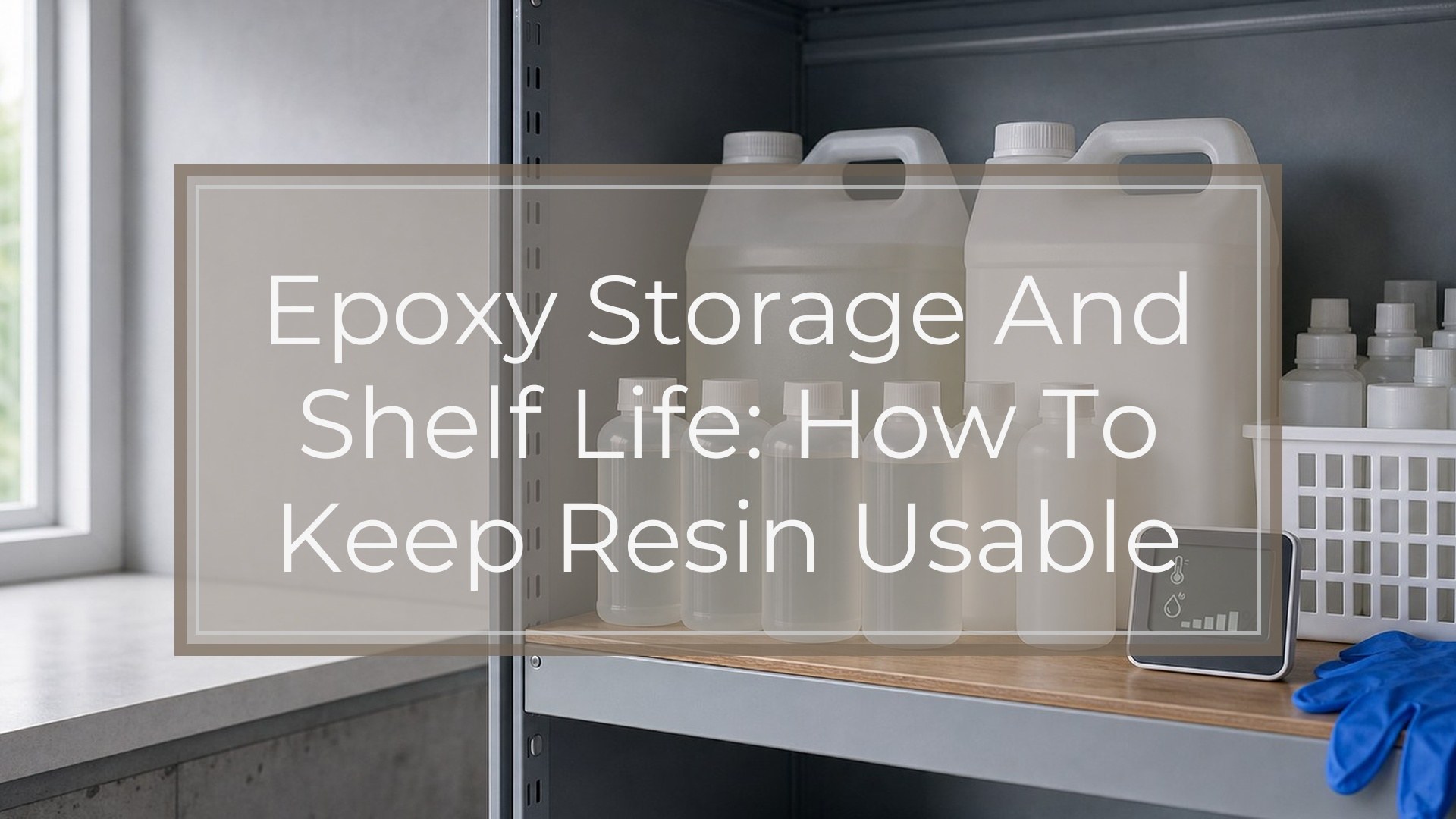
Epoxy Storage and Shelf Life: How to Keep Resin Usable

Epoxy resin and hardener usually last about 1 to 2 years unopened when stored well, though the exact shelf life depends on the brand, formula, and storage conditions. Opened epoxy can still last many months if the caps are sealed tightly and the bottles are kept clean, dry, and at stable room temperature. Heat, cold, […]

Marine Grade Epoxy Guide: Types, Uses, and Application Tips

Marine grade epoxy is an epoxy system designed for repairs, bonding, sealing, or coating in damp, wet, outdoor, or boat-related environments. It is not one single formula. The term usually means the epoxy has strong adhesion, good water resistance, low shrinkage, and enough durability for marine use when applied correctly. Use marine epoxy for projects […]

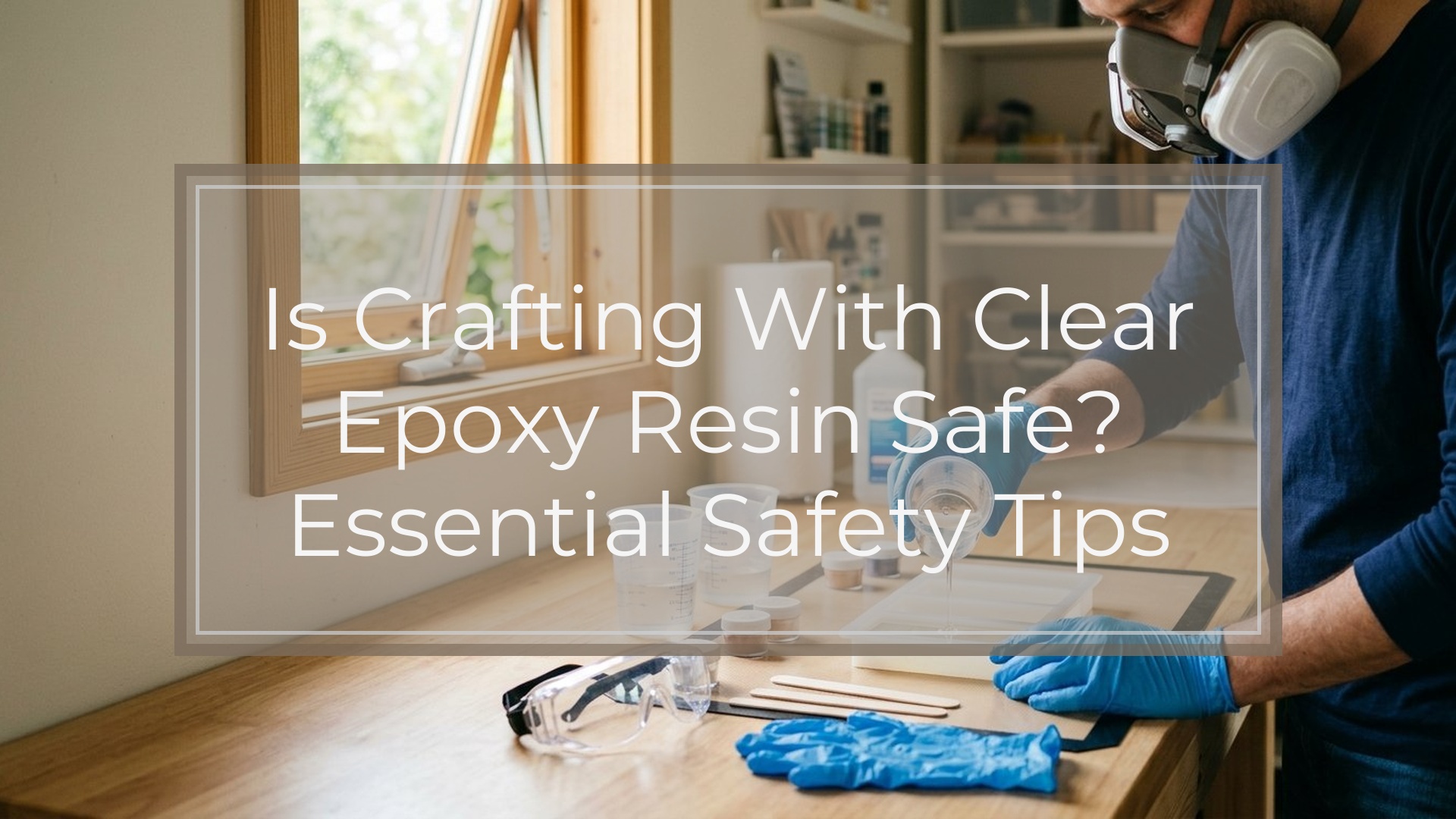
Is Crafting With Clear Epoxy Resin Safe? Essential Safety Tips

Crafting with clear epoxy resin can be safe for most home crafters when you treat the uncured resin and hardener as chemicals, not as ordinary craft glue. The main rule is simple: avoid skin contact, avoid breathing vapors or sanding dust, work with good ventilation, and follow the product label or SDS. The riskiest stages […]

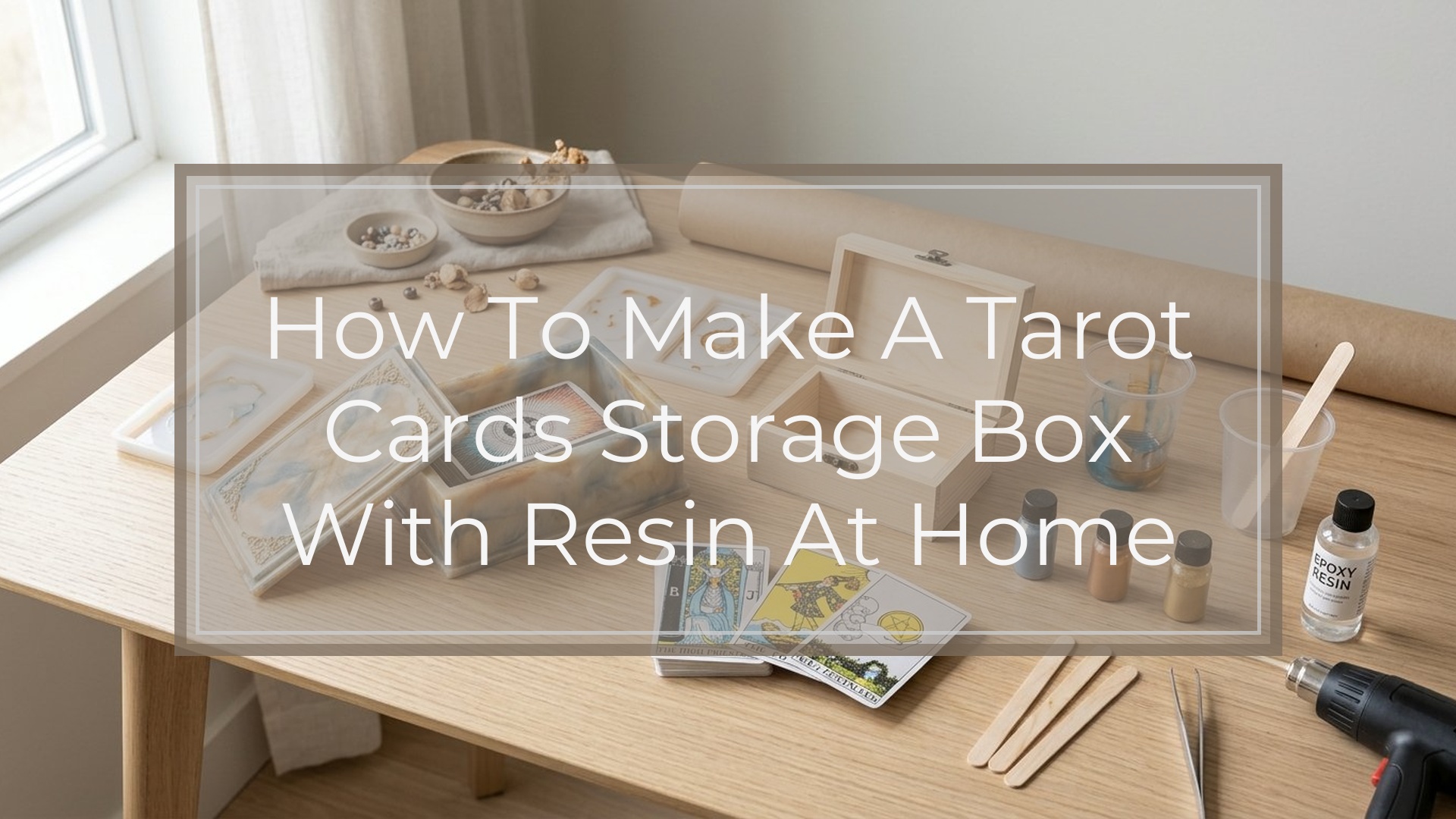
How to Make a Tarot Cards Storage Box With Resin at Home

A good resin tarot card storage box needs to do three things well: fit your deck, cure hard without staying tacky, and protect the card edges from scratches. The simplest build is a two-part box made with silicone molds: one resin tray for the base and one slightly larger lid. You can keep it clear, […]

Is Resin Weatherproof How It Holds Up Outdoors

If you’re thinking about using resin for a project outside, you probably want to know if it can handle weather like rain and sun. Resin is weatherproof once it’s fully cured, so water and most outdoor conditions won’t damage it. This makes resin a good choice for art, furniture, and other items you want to […]

Is UV Resin Toxic? What You Need to Know Before Using It

If you’ve started crafting with UV resin, you might wonder if it’s safe to use. UV resin is toxic in its liquid, uncured form and can be harmful if you touch it or breathe in its fumes. Many people don’t realize that safety steps are important, even for resin labeled “non-toxic” by some brands. Once […]

Free Worldwide shipping

On all orders above $50

Easy 30 days returns

30 days money back guarantee

International Warranty

Offered in the country of usage

100% Secure Checkout

PayPal / MasterCard / Visa