
Quick Answer
If you want a handmade gift for someone who loves cooking, hosting, coffee, cocktails, or grazing boards, epoxy resin can work beautifully as long as you choose the project with food contact in mind. The safest approach is to make resin gifts that decorate, organize, serve around food, or touch only dry packaged items unless you have confirmed that your specific cured resin system is appropriate for the intended use.
Here are five fun foodie-friendly resin gift ideas:
- Resin-accented serving board for someone who loves cheese boards or appetizers.
- Coasters with fruit, herb, coffee, or cocktail themes for a coffee bar, wine night, or home bar.
- Recipe card holder or cookbook stand detail for a home cook who uses family recipes.
- Resin tray for coffee, tea, or dessert service for someone who likes pretty presentation.
- Food-themed magnets, keychains, or ornaments for a low-risk, beginner-friendly gift.
The best choice depends on the recipient’s habits and your comfort level. If you are new to resin, start with coasters, magnets, or a decorative tray. If you are more experienced and understand finishing, sealing, and cure times, a resin-accented board can feel more special.
How to Think About This Topic
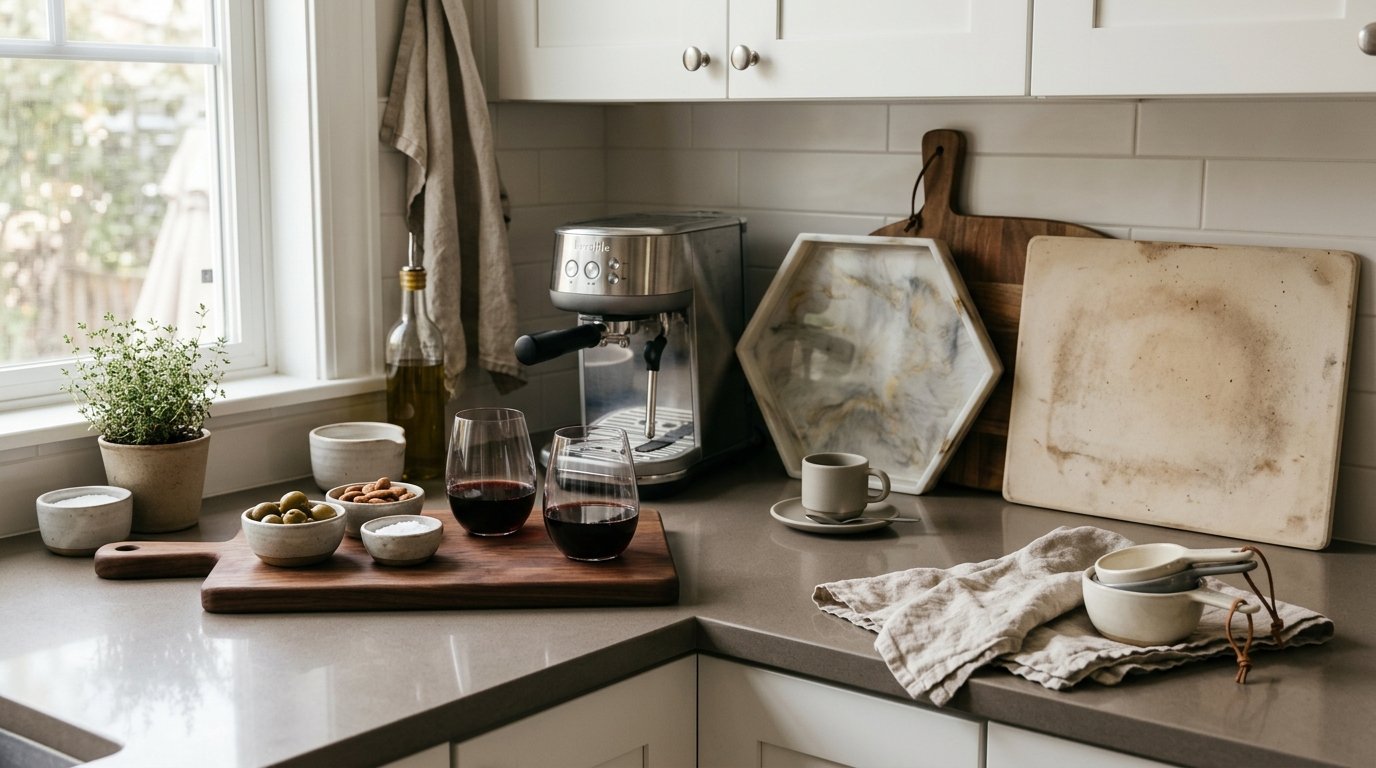
The goal is not just to make something “food themed.” It is to make a gift that fits how your foodie actually lives. A person who hosts wine nights may use a serving board every weekend. A coffee lover may appreciate coasters or a small tray beside the espresso machine. A baker may prefer a recipe card holder. Someone in a small apartment may like magnets or ornaments more than another bulky kitchen item.
Start with three questions: Will it touch food? How often will it be handled? How much time do I have before gifting? These questions help you avoid choosing a project that looks impressive but creates uncertainty later.
Food contact is the biggest caveat. Epoxy resin products vary, and “cured hard” does not automatically mean “safe for direct food contact.” If you want to make something like a charcuterie board, consider keeping resin as a decorative accent away from the area where food sits, or design the board so food rests on unfinished wood, parchment, small dishes, or removable cups. Always follow the resin manufacturer’s instructions for mixing, curing, heat limits, and intended use.
For beginners, gifts that do not need direct food contact are easier and less stressful. Coasters, magnets, bag clips, wine charms, jar labels, and decorative trays still feel personal because you can tailor the colors and inclusions to the recipient. Think lemon slices for a baker, coffee tones for an espresso fan, dried herbs for a cook, or tiny faux citrus for a cocktail enthusiast.
Skill level also matters. Thin pours, small molds, and flat pieces are more forgiving. Large trays and boards can require better bubble control, leveling, sanding, and edge finishing. If you are making the gift close to a birthday or holiday, choose a project with fewer variables. Resin needs time to cure, and many pieces benefit from extra waiting time before wrapping.
A useful mental model is: the more likely the piece is to touch food, heat, knives, or frequent washing, the more cautious the project should be. Decorative and presentation-focused gifts are usually the best match for handmade resin, especially when you want the recipient to enjoy the gift without wondering how to use it safely.
Practical Guidance
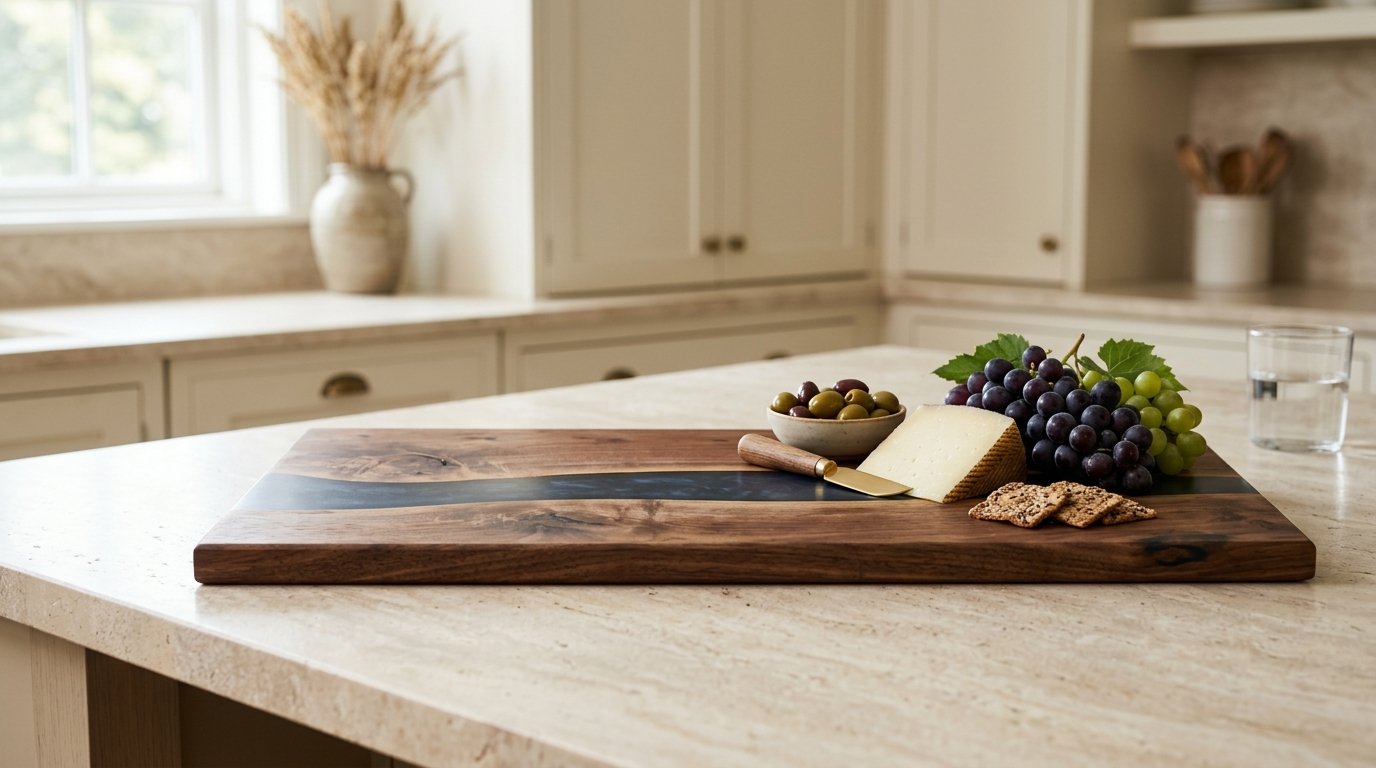
1. Resin-accented Serving Board
This is a strong choice for someone who hosts, builds charcuterie boards, or enjoys appetizer nights. Use a wood board and add resin as a river, corner accent, handle detail, or decorative edge. It looks high-impact and gift-worthy.
Choose this project if you have some resin experience and enough time for curing and finishing. Keep the resin portion decorative when possible, and include a note suggesting that food be placed on the wood side, parchment, small bowls, or liners. Avoid presenting it as a cutting board unless the construction and finish are suitable for that use.
2. Foodie-themed Coasters
Coasters are one of the easiest and most useful resin gifts. They fit coffee lovers, tea drinkers, wine fans, cocktail people, and anyone who entertains. You can use colors and inclusions to match their favorite drink: amber and cream for coffee, deep red and gold for wine, green and lime tones for cocktails, or pastel sprinkles for dessert lovers.
They are a good beginner project because small molds are manageable. Add cork backing or silicone feet to make them feel finished. If the recipient uses hot mugs, check your resin’s heat resistance and avoid promising that the coasters will handle very high temperatures.
3. Recipe Card Holder or Cookbook Stand Accent
For a home cook, baker, or family-recipe collector, a recipe card holder feels personal without needing direct food contact. You can make a small resin block with a slot, attach resin embellishments to a wooden stand, or create a decorative front panel.
This gift fits someone sentimental: a grandparent’s cookie recipe, handwritten cards, or a favorite dinner rotation. Keep the design stable and practical. If the piece will sit near a stove or sink, avoid delicate raised elements that may chip or collect grime.
4. Decorative Tray for Coffee, Tea, or Desserts
A resin tray works well for someone who loves presentation: serving espresso cups, arranging tea supplies, displaying macarons, or keeping syrups and spoons organized. It can also become a bar cart tray or dessert table accent.
This project is best when you can pour on a level surface and give the tray enough cure time. For direct food use, suggest placing food on plates, napkins, cupcake liners, or small dishes rather than directly on the resin unless your materials and instructions support that use. Add handles if the tray is large, but make sure they are attached securely.
5. Food-themed Magnets, Keychains, Ornaments, or Wine Charms
If you need a low-risk project, go small. Mini resin lemons, strawberries, coffee cups, macarons, herb bundles, chili peppers, or tiny cutting boards make charming gifts. Turn them into fridge magnets, keychains, ornaments, gift tags, or wine glass charms.
These are ideal for beginners, kids’ teacher gifts, stocking stuffers, or when you want to make several items at once. They do not need to perform like kitchen tools, so you can focus on color, theme, and personality. Package them in a small box with a handwritten note for a more polished feel.
FAQ
Can Epoxy Resin Gifts Be Used with Food?
Sometimes, but only if the specific resin product and finished project are appropriate for that use. Read the manufacturer’s guidance carefully. When in doubt, design the gift so food touches wood, glass, ceramic, parchment, plates, or bowls instead of the resin surface.
What Is the Easiest Resin Gift for a Foodie Beginner to Make?
Coasters, magnets, ornaments, and wine charms are usually the easiest. They use small molds, require less finishing, and do not need to hold food directly. You can still personalize them with colors, dried-looking decorative elements, glitter, labels, or themes tied to the recipient’s favorite foods.
Can I Make a Resin Charcuterie Board as a Gift?
Yes, but treat it thoughtfully. A resin-accented board is often better than a board where food sits directly on resin. Keep the food area on wood or use parchment and small dishes. Also avoid calling it a cutting board unless it is truly made for cutting.
How Long Before I Can Wrap or Gift an Epoxy Resin Project?
Follow your resin’s cure schedule, not just the surface feel. Many pieces feel hard before they are fully cured. Build in extra time for demolding, sanding, adding hardware, cleaning edges, and airing out before packaging. For gifts, starting several days early is wise.
What Should I Include with a Handmade Resin Kitchen Gift?
Include simple care notes: hand wash only if appropriate, avoid soaking, avoid dishwashers, protect from high heat, and use liners or dishes for food when needed. You can also include matching napkins, recipe cards, coffee beans, tea, cheese knives, or a handwritten recipe.