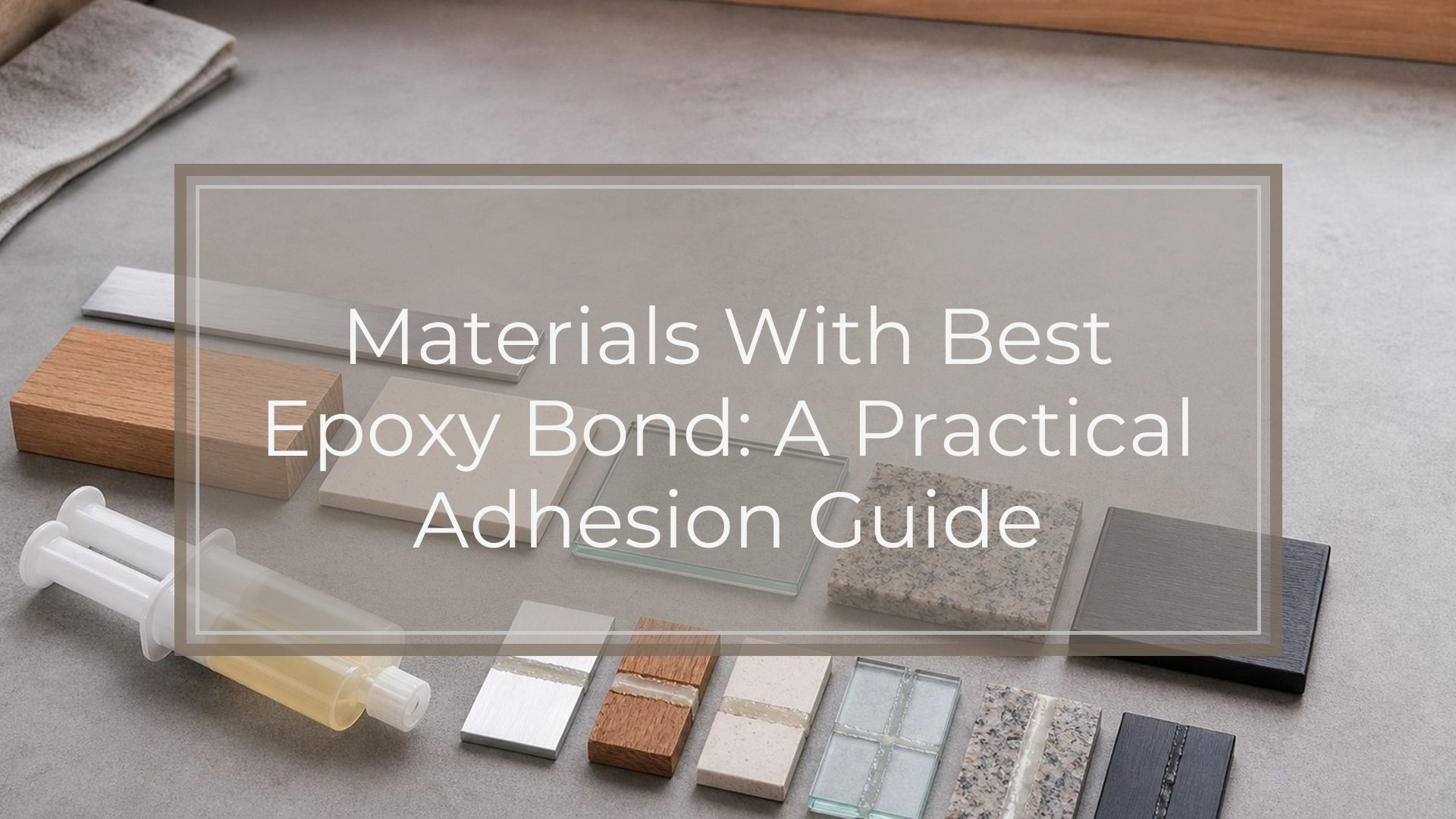
Epoxy bonds best to clean, dry, slightly rough, non-oily materials. The most dependable surfaces are wood, cured epoxy, fiberglass, concrete, stone, ceramic, glass that has been scuffed, and many metals after sanding. These materials either have pores, texture, or surface energy that lets epoxy wet out and lock in.
Epoxy can also bond to plastics, painted surfaces, shells, paper, fabric, and some sealed craft items, but the bond depends heavily on prep. Smooth, flexible, oily, or waxy materials are much less reliable.
For resin crafting, think of epoxy as a coating and adhesive that needs both contact and grip. If a surface is glossy, dusty, greasy, or bendy, expect weaker adhesion unless you clean, sand, and test first.
| Material | Epoxy bond quality | Best use |
|---|---|---|
| — | —: | — |
| Wood | Excellent | Coasters, river tables, signs, repairs |
| Cured epoxy | Excellent with sanding | Layering, repairs, recoats |
| Fiberglass | Excellent | Repairs, reinforcement |
| Concrete/stone | Excellent when dry | Coatings, inlays, decorative slabs |
| Metal | Good to excellent with sanding | Bezels, hardware, repairs |
| Glass/ceramic | Good with scuffing | Tiles, ornaments, coating accents |
| Most plastics | Variable | Test pieces, embedded items |
| Silicone, wax paper, polyethylene | Poor | Molds and release surfaces |
The Simple Rule: Epoxy Needs Something to Grip
Epoxy adhesion works best when two things happen: the resin spreads across the surface, and the cured resin has something to hold onto. A rough, porous, or freshly abraded surface gives epoxy more contact area and tiny “anchor points.” That is why sanded wood usually bonds better than shiny plastic.
Surface cleanliness matters just as much. Dust, oil, wax, water, polish, mold release, and fingerprints can sit between the epoxy and the material. The epoxy may cure normally, but it is bonded to the contamination instead of the actual surface.
Rigidity also matters. Epoxy cures hard. It performs best on materials that do not flex much. If the base bends, stretches, or peels, the cured epoxy can crack or separate.
A helpful mental model: epoxy loves clean, dry, stable surfaces with texture. It struggles with slick, flexible, oily, or low-energy surfaces.
Best Materials for Epoxy Bonding
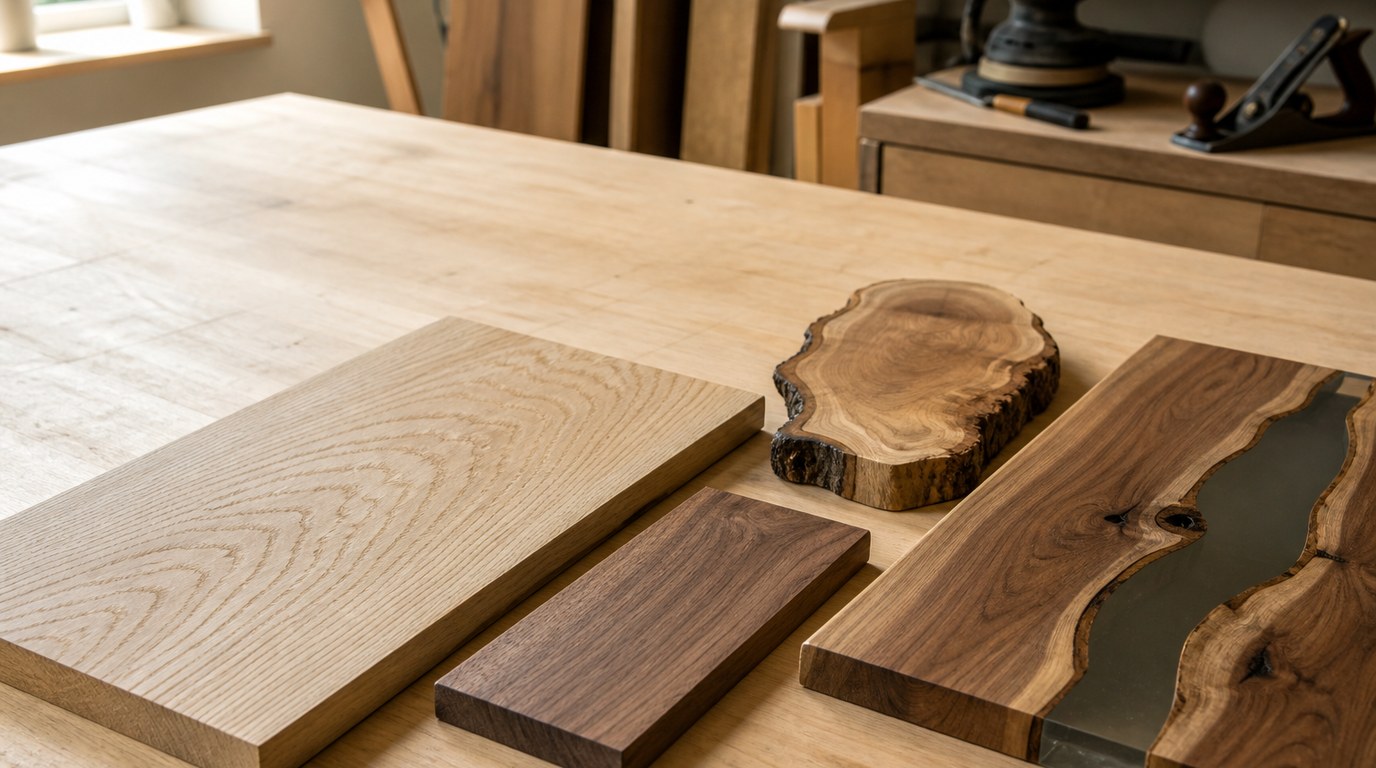
Wood is one of the best materials for epoxy. It is porous, easy to sand, and common in resin crafts. Epoxy soaks slightly into open wood grain, which creates a strong mechanical bond. This is why it works well for river tables, charcuterie boards, wall art, signs, inlays, and wood repairs. Dense oily woods can be trickier, so wipe and test them before committing to a large pour.
Cured epoxy bonds very well to fresh or sanded cured epoxy. If you are adding another layer after the previous layer has fully cured, scuff the surface first so the new resin has tooth. This is important for doming coasters, fixing low spots, repairing bubbles, or adding a clear topcoat.
Fiberglass is another excellent bonding surface because epoxy can wet into the fibers and cure into a strong composite. It is commonly used for repairs, reinforcement, and mixed-media pieces where fabric or fiber is part of the structure.
Concrete and stone bond well when they are clean and completely dry. Their porous, mineral surfaces give epoxy plenty to grip. They are good choices for decorative coatings, stone inlays, terrazzo-style pieces, and countertop repairs. Moisture trapped in concrete can cause cloudiness, bubbles, or poor adhesion, so drying time is important.
Ceramic and glass can bond well, but usually need scuffing because they are smooth. Epoxy is often used on tiles, glass ornaments, mosaics, and ceramic repairs. The bond is better on unglazed ceramic than on glossy glaze.
Metal can form a strong epoxy bond when sanded and degreased. Aluminum, steel, brass, and copper are common in jewelry bezels, hardware attachments, and repairs. Bare, freshly abraded metal is more reliable than polished or oily metal.
Materials Epoxy Can Bond to, but Only with Good Prep
Plastic is the biggest “it depends” category. Some plastics accept epoxy after sanding, while others reject it almost completely. Rigid acrylic, PVC, ABS, and polycarbonate may work if scuffed and cleaned. Polyethylene and polypropylene are usually poor choices. If the plastic feels waxy or flexible, test first.
Painted and sealed surfaces can bond well only if the paint or sealer is firmly attached. Epoxy does not strengthen a weak coating underneath it. If paint chips, peels, or lifts, the epoxy can come off with it. Light sanding helps create grip.
Paper, photos, and fabric can be coated or embedded, but they often need sealing first. Unsealed paper may darken, absorb resin unevenly, or release bubbles. Fabric can bond well because resin penetrates the weave, but dyes, sizing, and moisture may affect results.
Shells, dried flowers, and natural objects can work in resin crafts if they are dry and sealed when needed. Porous natural items often trap air, so a thin seal coat helps prevent bubbles during the main pour.
Previously finished wood is also conditional. Epoxy may stick to the finish, but the real question is whether that finish sticks well to the wood.
Materials Epoxy Does Not Bond Well to
Epoxy does not bond well to silicone. That is why silicone molds are so useful for resin casting. Once cured, resin can usually be flexed out of the mold without sticking permanently.
It also performs poorly on polyethylene and polypropylene, which are common in plastic storage containers, cutting boards, packing tape, and many disposable mixing surfaces. These plastics have low surface energy, meaning epoxy does not wet them well.
Wax paper, parchment paper, freezer paper, and waxed surfaces are poor bonding choices because wax acts as a release layer. Epoxy may cure against them, but it usually peels away.
Avoid bonding epoxy to oily, greasy, wet, dusty, or polished surfaces. These are not materials as much as surface conditions, but they cause many failures. A strong material can become a poor bonding surface if it is contaminated.
Flexible rubber and soft vinyl are also unreliable because cured epoxy is rigid and can separate when the base material bends.
How to Prep a Surface for the Strongest Epoxy Bond
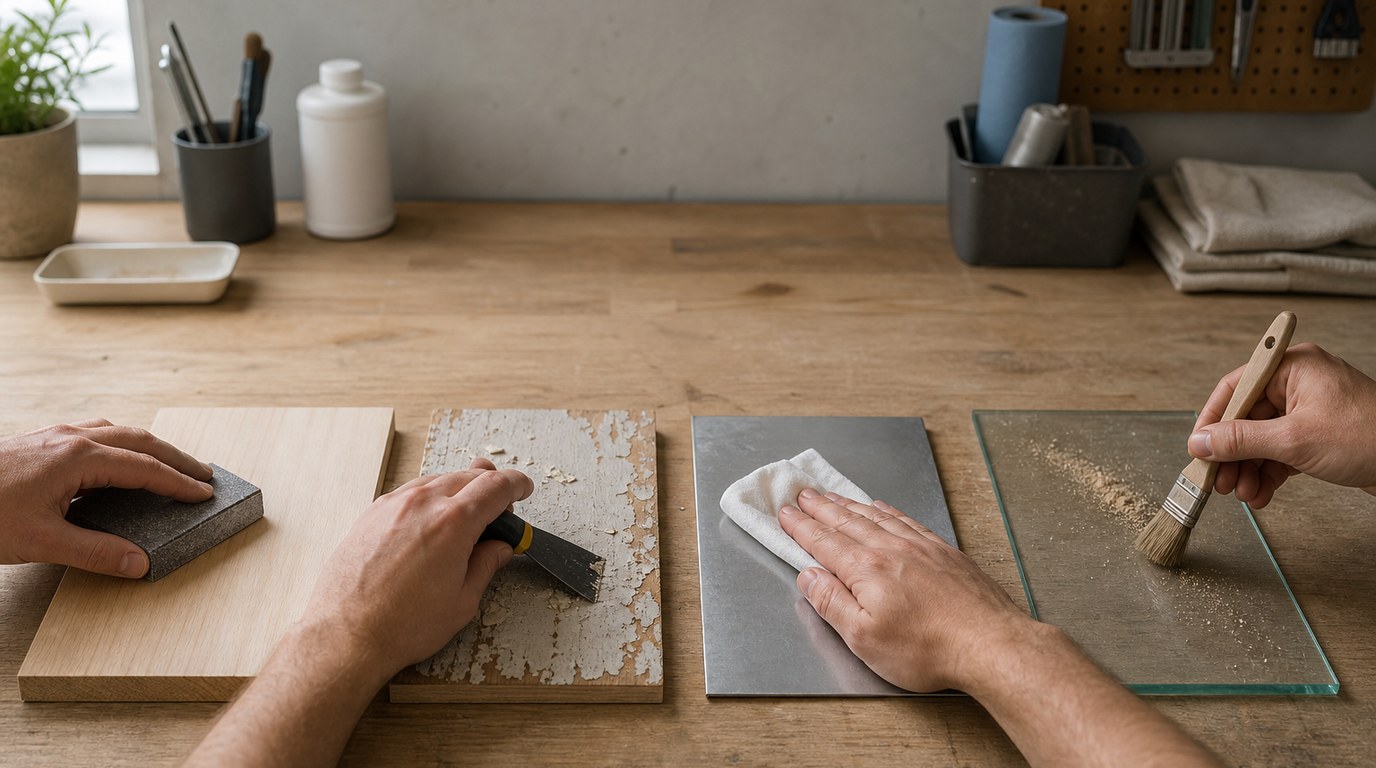
Start by identifying the material. Is it porous like wood, hard and smooth like glass, metallic, plastic, painted, or flexible? This tells you how aggressive your prep should be.
Next, remove loose material. Scrape away peeling paint, flaking finish, crumbling concrete, dust, bark, or weak fibers. Epoxy can only bond as strongly as the surface underneath it.
Clean the surface before sanding if it is greasy or polished. Use a suitable cleaner for the material, then let it dry. For many hard surfaces, isopropyl alcohol works well after initial cleaning, but avoid soaking delicate paper, photos, or porous natural items.
Sand or scuff the bonding area. For most resin crafts, 80- to 220-grit sandpaper creates enough tooth. Use coarser grit for repairs and slick surfaces, and finer grit when you only need a light scuff before recoating. After sanding, remove all dust with a vacuum, tack cloth, or lint-free cloth.
Make sure the surface is dry. Moisture can interfere with adhesion and create bubbles, haze, or soft-looking spots. Wood, concrete, flowers, shells, and other porous items may need extra drying time.
For porous objects, consider a thin seal coat. Brush on a small amount of epoxy or compatible sealer, let bubbles rise and pop, then continue with your main pour or coating.
Finally, test when the material is unknown. Apply a small dot or strip of mixed epoxy, let it cure fully, then try to peel, scrape, or flex it. A failed test is cheaper than a failed project.
Choosing the Right Material for Your Resin Project
Choose your base material based on both appearance and bond reliability. For a river table, wood is ideal because epoxy can lock into the grain and gaps. For coasters, wood, ceramic tile, stone, or sanded cured resin are dependable. For jewelry, metal bezels work well when clean and scuffed.
If you need a reusable mold, choose a poor bonding material on purpose, such as silicone. If you want a permanent coating, avoid waxy plastics and flexible bases.
When in doubt, pick a rigid material you can sand. That one decision prevents many resin crafting problems, from peeling edges to cloudy patches and loose embedded pieces.
FAQ
What Should a Beginner Know First About Materials with Best Epoxy Bond?
Beginners should know that epoxy bonds best to clean, dry, roughened, rigid surfaces. Wood, sanded cured epoxy, fiberglass, stone, concrete, ceramic, and prepared metal are reliable choices. Slick plastics, silicone, waxy surfaces, and flexible materials are much more likely to release or peel.
What Matters Most When Evaluating Materials with Best Epoxy Bond?
The most important factors are surface texture, cleanliness, dryness, and stability. A material that is porous or sanded gives epoxy grip. A surface covered in oil, dust, wax, water, or loose paint can fail even if the base material is normally epoxy-friendly.
What Mistakes Should Readers Avoid with Materials with Best Epoxy Bond?
Do not pour epoxy over glossy, dusty, oily, or wet surfaces and expect a permanent bond. Avoid assuming all plastics are the same. Also avoid coating weak paint or peeling finishes; epoxy may stick to the coating, but the coating can still separate from the project.
What Is the Next Logical Step After Learning About Materials with Best Epoxy Bond?
Choose a test piece of your project material and practice the prep process: clean, sand, remove dust, dry, and apply a small amount of epoxy. After it cures, try to scrape or peel it. That test tells you whether the material is ready for a full project.