Epoxy resin usually feels dry to the touch within 12 to 24 hours, can often be demolded after 24 to 48 hours, and reaches a full cure in about 3 to 7 days. However, epoxy resin drying times vary by resin formula, room temperature, pour depth, humidity, mixing accuracy, and the size of the project.
The most important thing to understand is that “dry” and “fully cured” are not the same. A resin coaster may feel firm enough to remove from a mold after a day, but it may still be too soft for sanding, drilling, polishing, or hot cups. For best results, follow your resin brand’s cure schedule and judge the project by stage, not just by the clock.
Why Epoxy Resin Drying Time Is Not One Fixed Number
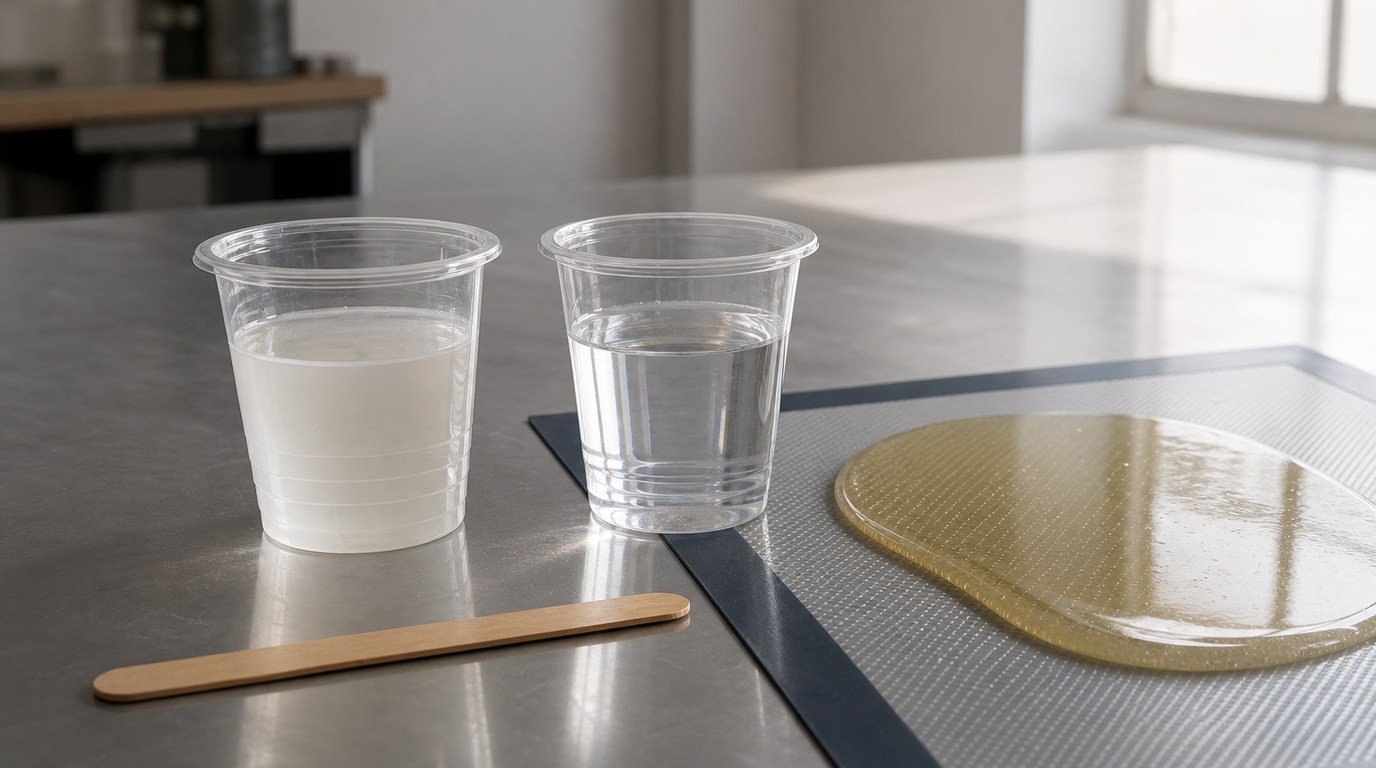
Epoxy resin does not dry like paint, where water or solvent simply evaporates. It cures through a chemical reaction between resin and hardener. That reaction creates heat, links the molecules together, and gradually turns the liquid mixture into a solid plastic-like material.
Because curing is chemical, the same resin can behave differently in different conditions. A thin jewelry charm in a warm room may firm up quickly. A deep mold in a cool studio may stay flexible much longer. The clock matters, but chemistry and environment decide the real timeline.
Drying Vs. Curing: the Key Difference
In resin crafting, “dry” usually means the surface is no longer wet or sticky. “Cured” means the resin has hardened throughout and reached its intended strength, clarity, and heat resistance.
This distinction matters because epoxy can pass one stage before the next. A coaster might be tack-free after 18 hours, demoldable after 36 hours, and fully cured after 7 days. If you sand, drill, wrap, ship, or place weight on resin too early, it may dent, warp, gum up sandpaper, or lose its shine.
Think of curing as a gradual hardening process, not an instant switch from liquid to finished.
Typical Epoxy Resin Drying and Curing Timeline
Use this timeline as a practical starting point, not a replacement for the manufacturer’s instructions. Fast-cure, casting, tabletop, and deep-pour epoxies can differ a lot.
| Stage | Typical timing | What it means |
|---|---|---|
| — | —: | — |
| Working time | 20 to 60 minutes | Resin is liquid enough to pour, color, and adjust. |
| Gel stage | 1 to 6 hours | Resin thickens and may feel rubbery or jelly-like. |
| Tack-free surface | 12 to 24 hours | Surface is no longer wet or sticky. |
| Demoldable | 24 to 48 hours | Piece is firm enough to remove carefully. |
| Sanding or drilling | 48 to 72+ hours | Resin is hard enough to work without gumming. |
| Full cure | 3 to 7 days, sometimes longer | Resin reaches final hardness and durability. |
Thin craft pieces may move through these stages quickly. Thick castings, deep molds, and cool rooms often need more time.
What Affects Epoxy Resin Drying Times?
Several variables can speed up or slow down epoxy resin curing:
- Temperature: Most craft epoxies cure best around 70°F to 75°F, or 21°C to 24°C. Cold rooms slow the reaction and can leave resin soft for longer.
- Mixing ratio: Epoxy needs the correct resin-to-hardener ratio. Too much or too little hardener can cause sticky, flexible, or uncured spots.
- Mixing quality: Scraping the sides and bottom of the cup matters. Poorly mixed resin may cure unevenly, with tacky streaks.
- Pour depth: Thicker pours build more heat and may cure differently than thin layers. Deep-pour resins are formulated to cure more slowly and safely.
- Resin type: Coating resin, casting resin, UV resin, and fast-cure epoxy all have different timelines.
- Additives: Alcohol inks, pigments, mica powders, glitter, dried flowers, and embedded objects can affect heat, airflow, or cure consistency if overused.
- Mold material and project size: Silicone molds, small charms, dominos, coasters, and large trays all release heat differently.
A small jewelry charm and a thick river-style casting should not be judged by the same schedule.
How to Tell When Epoxy Resin Is Dry Enough
Check resin gently and in stages. Avoid pressing hard into the visible front of a piece, especially if you are unsure.
For a tack-free check, lightly touch an edge or leftover resin in the mixing cup with a gloved finger. It should not transfer or feel sticky.
For demolding, flex the mold slightly. The resin should feel firm, not floppy or liquid under the surface. If a coaster bends easily, wait longer.
For sanding, drilling, or polishing, the resin should feel hard and solid. Sandpaper should create fine dust, not sticky clumps. Drill bits should cut cleanly instead of dragging.
For use, especially coasters, trays, handles, or pieces under pressure, wait for the full cure window.
How to Help Epoxy Resin Cure Properly
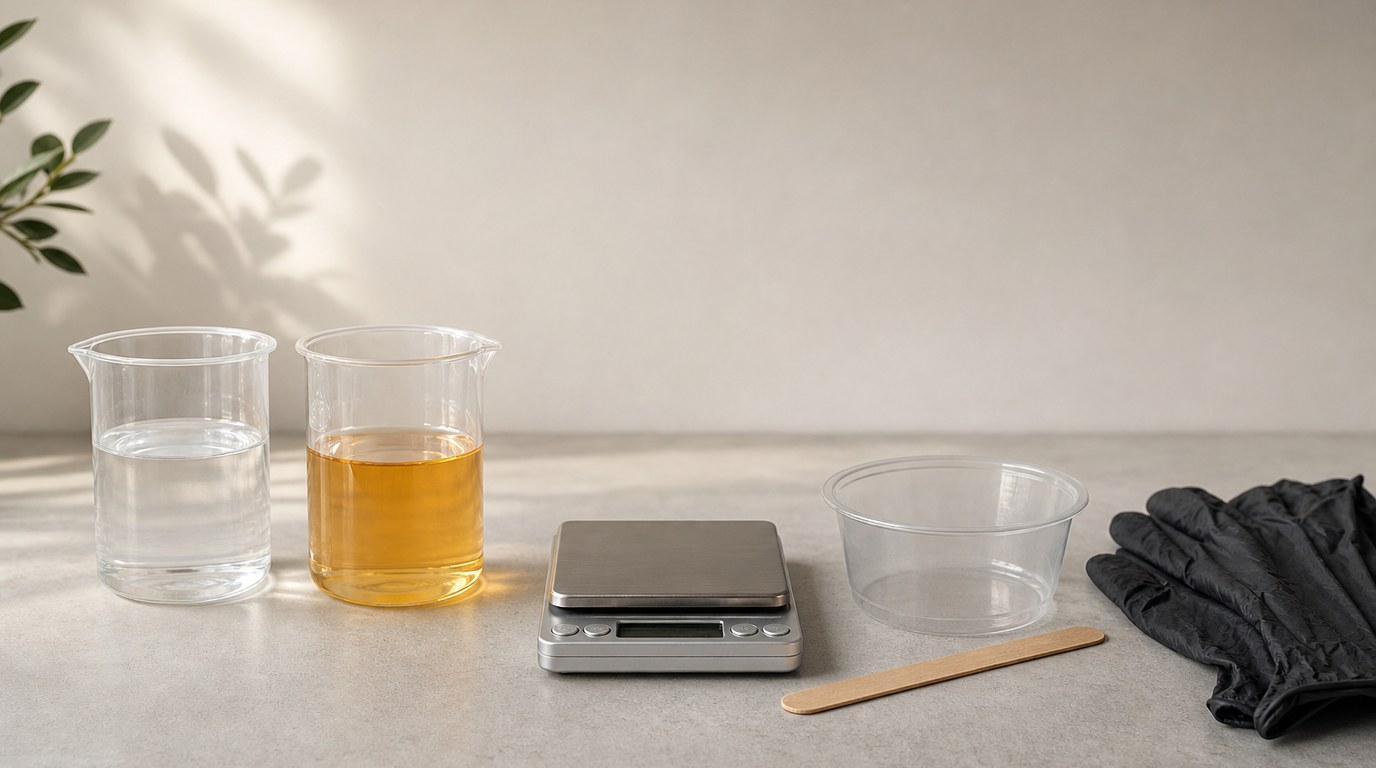
Reliable curing starts before you pour. First, read the instructions for your specific resin, including ratio, working time, recommended temperature, and full cure time.
Measure accurately by the method your resin requires: some are by volume, others by weight. Mix slowly but thoroughly, scraping the cup sides and bottom. If needed, pour into a second cup and mix again to reduce unmixed streaks.
Keep your workspace warm and stable. Let cold resin bottles sit in a warm room before use, and avoid curing projects on cold stone, tile, or concrete surfaces. Cover pieces with a dust cover, then leave them undisturbed until the correct stage.
Can You Make Epoxy Resin Dry Faster?
You can encourage proper curing, but you should not force epoxy aggressively. A slightly warmer room, a warming mat designed for crafts, or placing the project in a temperature-controlled curing box can help.
Avoid overheating with torches, heat guns, ovens, or direct sunlight. Too much heat can cause bubbles, yellowing, cracking, ripples, flash curing, or warped molds. If you need faster turnaround, choose a fast-cure resin rather than pushing a slow formula beyond its limits.
What If Your Epoxy Resin Is Still Sticky or Soft?
If resin is sticky or soft after the expected cure time, first check the temperature. If the room has been cold, move the project to a warmer, stable area and give it more time.
If only the surface is tacky, the issue may be humidity, contamination, or a slightly off mix. Some pieces can be saved with a fresh, correctly mixed flood coat once the surface is prepared.
If the resin is liquid, oily, or soft throughout, it was likely mismeasured or poorly mixed. Unfortunately, fully uncured epoxy often cannot be fixed inside a mold. Remove what you can safely, clean the mold, and start again with careful measuring and mixing.
Quick Reference: When to Demold, Sand, Polish, or Use Resin Pieces
- Demold jewelry charms: often 24 hours, longer if flexible.
- Demold coasters: usually 24 to 48 hours.
- Demold deep pieces: often 48 hours or more, depending on formula.
- Sand or drill: wait at least 48 to 72 hours, or until resin produces dust.
- Polish: best after the resin is hard cured.
- Use or sell pieces: wait until full cure, commonly 3 to 7 days.
FAQ
How Long Does Epoxy Resin Take to Dry?
Most epoxy resin feels dry or tack-free within 12 to 24 hours. It is often demoldable after 24 to 48 hours and fully cured after 3 to 7 days. Always check your product’s instructions because fast-cure and deep-pour resins vary.
Why Is My Epoxy Resin Still Sticky After 24 Hours?
Sticky resin after 24 hours may be caused by a cold room, inaccurate measuring, incomplete mixing, too much pigment, or surface contamination. If it is only slightly tacky, warmth and extra time may help. If it is wet or oily, it may not cure properly.
Can Epoxy Resin Cure in Cold Weather?
Epoxy resin can cure in cooler weather, but it cures much more slowly and may remain soft or cloudy. Most craft epoxies prefer a warm, stable room around 70°F to 75°F. Warm the workspace and resin bottles before mixing for better results.
Is Epoxy Resin Fully Cured When It Is No Longer Tacky?
No. Tack-free only means the surface is no longer sticky. The resin may still be curing inside and may be too soft for sanding, drilling, polishing, heat exposure, or heavy use. Wait for the full cure time before treating the piece as finished.
Can I Use a Heat Gun to Make Resin Dry Faster?
A heat gun is better for popping bubbles briefly than speeding cure. Too much heat can cause ripples, yellowing, cracking, bubbles, or warped molds. To help curing safely, keep the room warm and stable, or use a resin formulated for faster curing.