Epoxy can last anywhere from minutes to many years, depending on what you mean by “last.” Unmixed epoxy resin and hardener often have a shelf life of about 1 to 2 years when stored well, though the exact range depends on the brand. Once resin and hardener are mixed, the usable time may be only 15 to 60 minutes for many craft epoxies. Curing can take several hours to a few days, with full hardness often arriving later than “dry to the touch.” Once fully cured, epoxy projects can remain strong and attractive for years, especially indoors, but heat, sunlight, moisture, poor mixing, and rough use can shorten that lifespan.
What Does “How Long Does Epoxy Last” Mean?
“How long does epoxy last?” can mean four different things. First, it can mean shelf life: how long unmixed resin and hardener stay usable in their bottles. Second, it can mean pot life or working time: how long mixed epoxy stays pourable before it thickens. Third, it can mean cure time: how long epoxy takes to harden enough to handle or fully cure. Fourth, it can mean durability: how long a finished resin craft, coating, or casting remains clear, strong, and attractive. These are related, but they are not the same measurement.
How Long Does Unmixed Epoxy Last on the Shelf?
Unmixed epoxy usually lasts about 12 to 24 months on the shelf, but always treat the manufacturer’s date and storage instructions as the most reliable guide. Resin and hardener age more slowly when kept tightly sealed, upright, and stored in a cool, dry place away from sunlight.
Old epoxy is not always unusable, but it becomes less predictable. Resin may thicken, crystallize, yellow, or develop cloudiness. Hardener may darken or form crust around the cap. Some crystallized resin can sometimes be warmed gently back to clarity, but if the material smells unusual, contains lumps, or will not cure properly in a test batch, it is safer not to use it for an important project.
How Long Does Mixed Epoxy Stay Usable?
Once epoxy resin and hardener are mixed, the clock starts. This usable period is called pot life, and for many craft epoxies it is roughly 15 to 60 minutes. Some deep-pour resins offer a longer working time, while fast-curing formulas may give much less.
Pot life is affected by temperature, batch size, and the resin formula. A large cup of mixed epoxy heats up faster than a thin pour, which can make it thicken quickly. Warm rooms also shorten working time. For best results, prepare molds, pigments, tools, and surfaces before mixing. Once epoxy starts turning stringy, hot, or gel-like, it is usually past its workable stage.
How Long Does Epoxy Take to Cure?
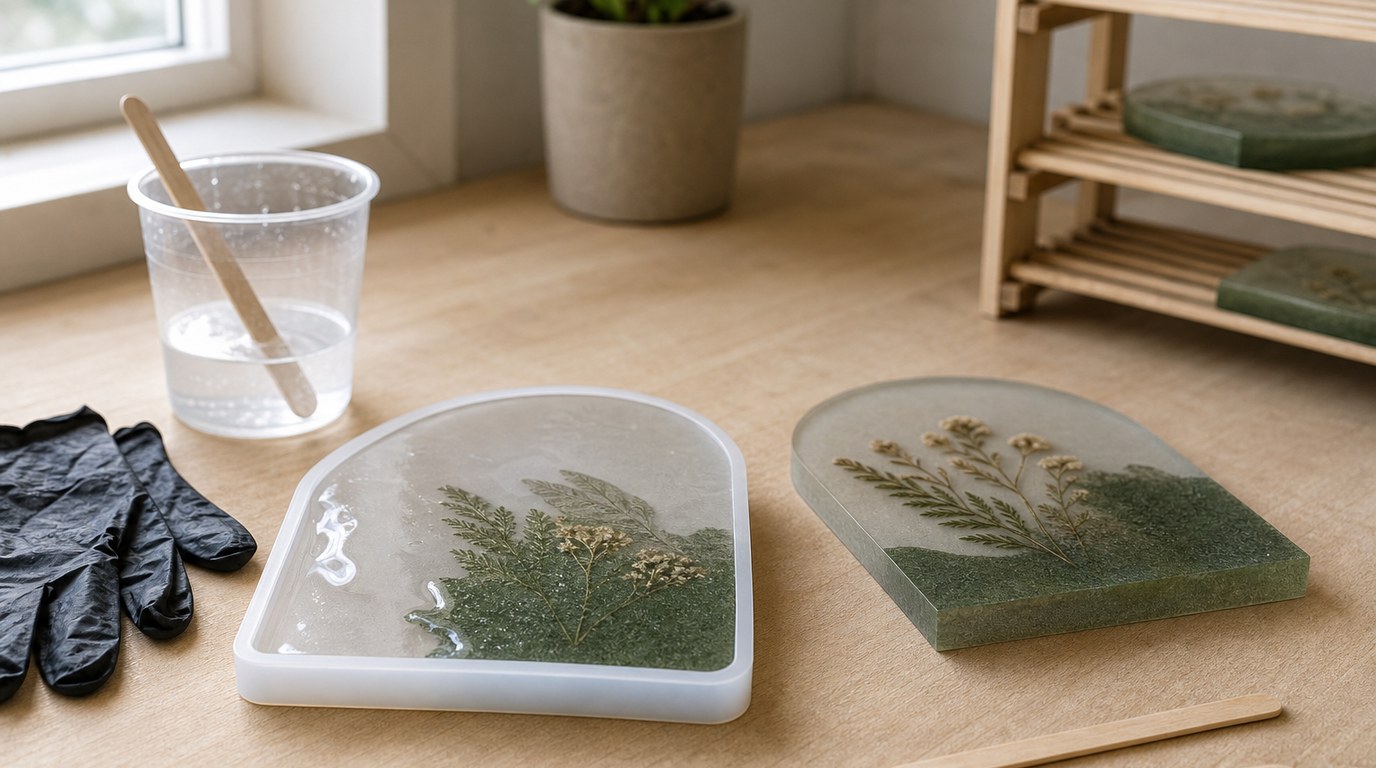
Cure time is not the same as working time. Many craft epoxies become tack-free or safe to demold within 12 to 24 hours, but full cure may take 48 to 72 hours or longer. A project can feel dry while still being too soft for heavy use.
Handling cure means the surface can be touched or moved carefully. Full cure means the epoxy has developed more of its intended hardness, chemical resistance, and durability. Temperature matters here too: cool rooms slow curing, while moderate warmth usually helps epoxy cure more reliably. If in doubt, wait longer before sanding, drilling, packaging, or placing weight on a piece.
How Long Does Cured Epoxy Last on Finished Projects?
Fully cured epoxy can last for many years on finished craft projects, especially when used indoors and cared for gently. Coasters, jewelry, trays, ornaments, keychains, and decorative castings can stay usable and attractive for a long time if they were mixed accurately, cured fully, and kept away from harsh conditions.
That said, epoxy is not indestructible. Over time, it may scratch, dull, yellow, chip, or soften under heat. Indoor decorative pieces may age slowly, while tabletops, outdoor art, and high-contact items usually show wear sooner. The most honest answer is that cured epoxy is durable, but its lifespan depends on formula quality, curing conditions, project design, and how the finished item is used.
What Shortens Epoxy’s Lifespan?
The most common reason epoxy fails early is not age alone, but stress or poor conditions. Inaccurate measuring, incomplete mixing, or using too much pigment can prevent a strong cure. Pouring too thick for the formula can cause overheating, bubbles, cracking, or yellowing.
After curing, sunlight is a major aging factor. UV exposure can cause yellowing and surface degradation, especially in clear projects. Heat can soften or warp some epoxy pieces. Standing water, harsh cleaners, alcohol, impact, abrasion, and repeated flexing can also shorten the life of a finished project. Even a well-made piece will age faster if it is used beyond what the resin was designed to handle.
How to Help Epoxy Projects Last Longer
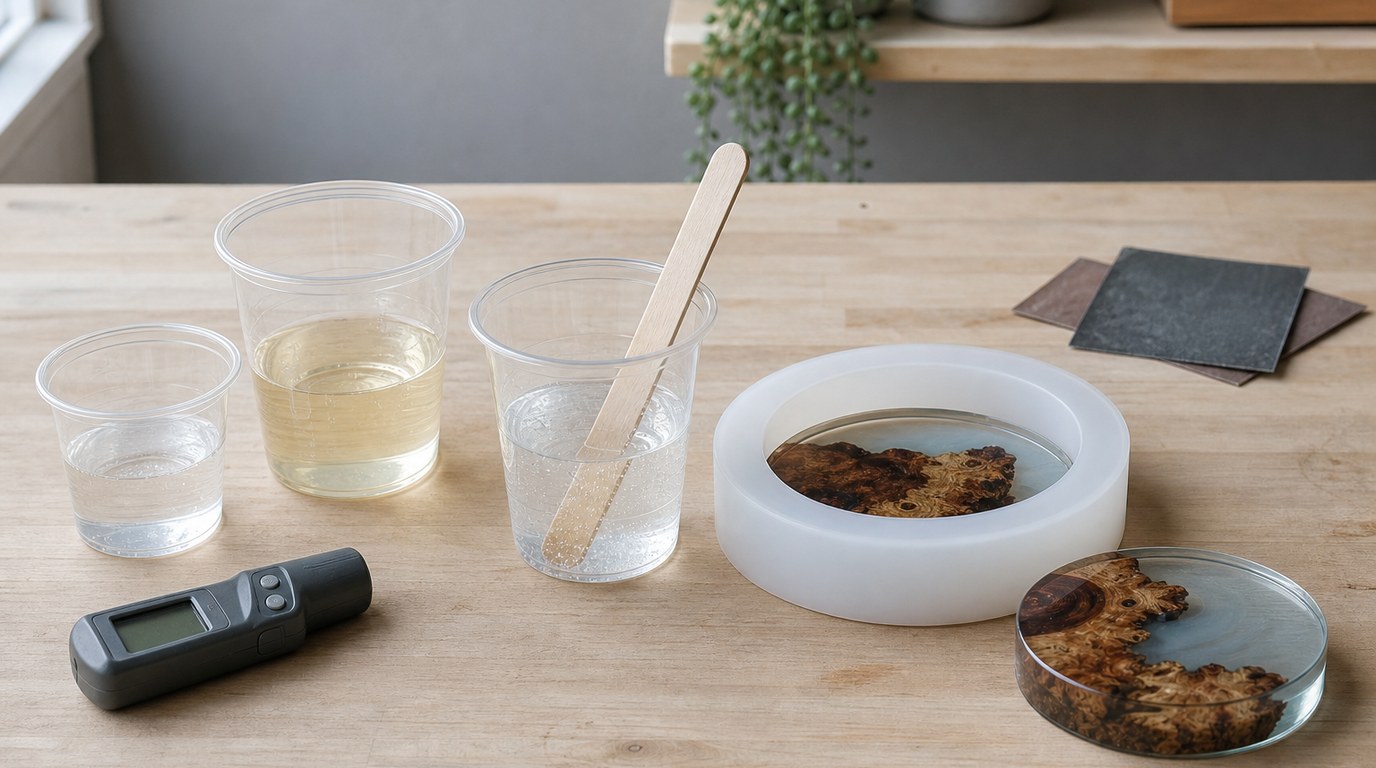
To help epoxy last longer, start before you pour. Measure resin and hardener accurately, mix slowly but thoroughly, and follow the recommended pour depth. Work within the resin’s temperature range, and let the project fully cure before sanding, using, or packaging it.
For finished pieces, reduce unnecessary stress. Keep clear epoxy out of direct sunlight when possible, use coasters or trivets to limit heat exposure, and clean with mild soap and a soft cloth instead of abrasive pads or harsh solvents. For items that will see heavy use, design them with realistic expectations. A decorative tray, for example, will usually last longer than a surface used daily for hot mugs and sharp objects.
Common Misconceptions About Epoxy Lifespan
One common misconception is that epoxy lasts forever. Cured epoxy can be long-lasting, but it can still yellow, scratch, or weaken under harsh conditions. Another misconception is that “dry” means “fully cured.” A piece may be safe to touch before it reaches full strength.
It is also misleading to assume all epoxies age the same way. Deep-pour resin, coating resin, UV resin, and industrial epoxy systems can behave differently. Finally, yellowing does not always mean the project has failed; sometimes it is cosmetic, while other times it signals UV damage, overheating, or aging materials.
Quick Examples: Matching Epoxy Lifespan to the Project
A resin pendant kept indoors may look good for years with only light cleaning. A coaster set may also last well, but hot cups and repeated washing can dull the surface faster. A river table or countertop coating can be durable, yet it needs protection from heat, knives, and sunlight. Outdoor resin art usually faces the toughest conditions, so expect more yellowing, fading, or surface wear unless the project is designed and maintained for exterior exposure.
The Bottom Line
Epoxy’s lifespan depends on which stage you are asking about. Unmixed epoxy may last a year or two, mixed epoxy may stay workable for less than an hour, curing may take days, and finished epoxy projects can last for years. The best results come from fresh materials, accurate mixing, proper curing, and realistic care after the project is finished.
FAQ
Does Epoxy Expire?
Yes, epoxy can expire or become unreliable with age. Many unmixed resin systems have a typical shelf life of about 1 to 2 years, but the exact date depends on the formula and storage conditions. Check the manufacturer’s label and test old epoxy before using it on an important piece.
How Can I Tell If Epoxy Has Gone Bad?
Signs include thickened resin, unusual cloudiness, heavy yellowing, hardened material around the cap, crystals that do not dissolve with gentle warming, or hardener that has darkened significantly. The clearest test is a small batch: if it stays sticky, rubbery, or uneven after the normal cure time, do not rely on it.
Does Cured Epoxy Last Outdoors?
Cured epoxy can last outdoors for some time, but outdoor conditions are hard on it. Sunlight, temperature swings, rain, and humidity may cause yellowing, chalking, dullness, or cracking. For outdoor projects, use a suitable formula and expect more maintenance and faster aging than with indoor resin crafts.
Will Epoxy Yellow Over Time?
Many epoxies can yellow over time, especially clear pieces exposed to UV light or heat. Some formulas include UV inhibitors and resist yellowing better, but “non-yellowing” should not be read as a lifetime guarantee. Keeping pieces out of direct sun helps preserve clarity longer.
How Long Should I Wait Before Using an Epoxy Project?
Follow the resin’s instructions first. As a general craft guideline, wait at least until the handling cure before demolding or moving a piece, and wait for full cure before heavy use. For many epoxies, that means 24 hours for careful handling and 48 to 72 hours or more before regular use.