Epoxy resin cures through a chemical reaction between the resin and hardener. Most projects become firm within 24 to 72 hours, but full cure can take several days depending on the product, depth, temperature, and humidity. When epoxy resin does not cure correctly, the usual causes are inaccurate measuring, incomplete mixing, working in a room that is too cold, excess moisture, or choosing the wrong resin for the job. If your resin is sticky, soft, cloudy, or bendy, first check the product’s cure time and room conditions before assuming the batch has failed.
How Long Does Epoxy Resin Take to Cure?
Most craft and coating epoxies need about 24 hours before they feel firm enough to touch carefully. Many need 48 to 72 hours before they can be handled more confidently. A full chemical cure may take 5 to 7 days, and some deep-pour or specialty resins take longer.
Cure time depends on the resin formula, pour thickness, room temperature, and the resin-to-hardener ratio. Always use the cure schedule on your product label as the main guide, because “dry to touch” is not the same as fully cured.
Why Is My Epoxy Resin Not Curing?
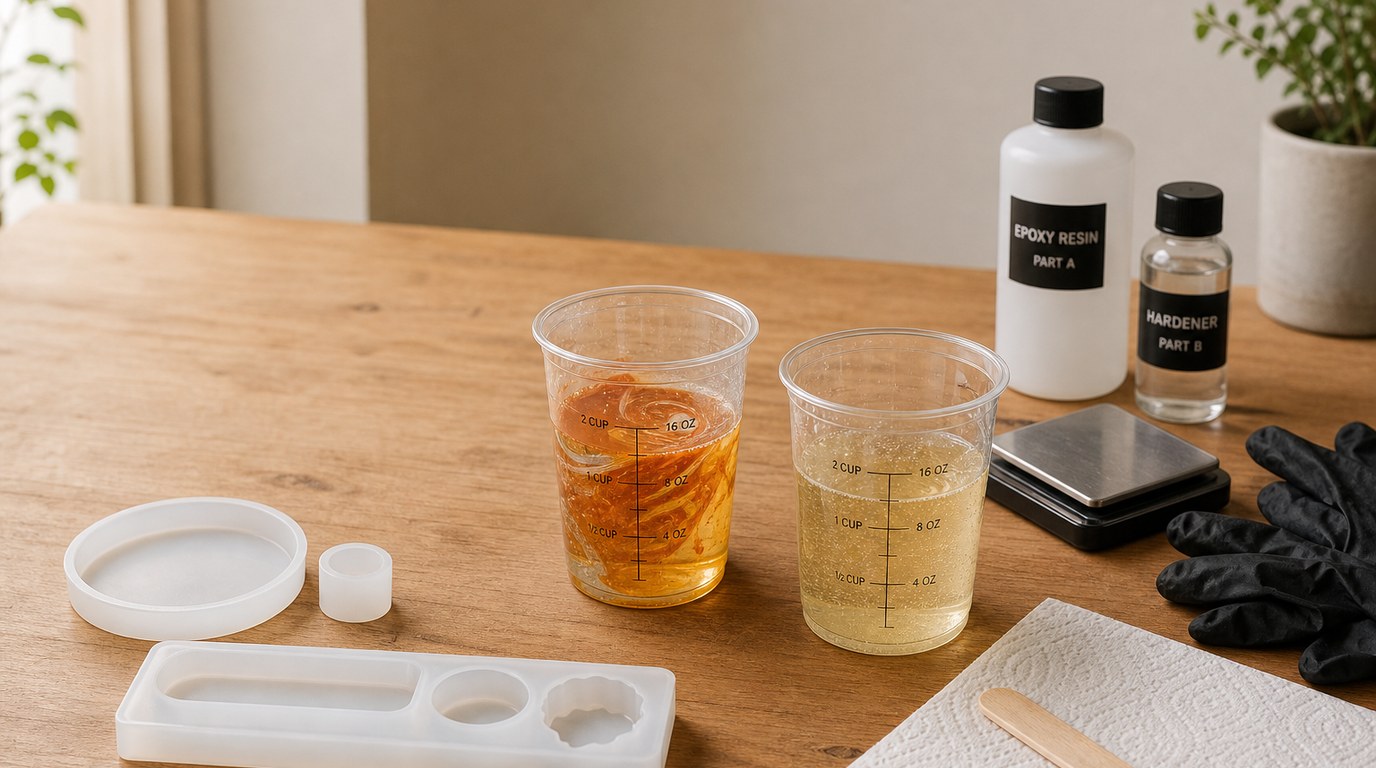
The most common reason epoxy resin does not cure is an incorrect mix ratio. If the resin and hardener are not measured exactly as the manufacturer requires, the chemical reaction may stay incomplete. Guessing, using the wrong ratio, or scraping unmixed material from the sides of a cup into your project can leave sticky patches.
Poor mixing is another major cause. Resin should usually be mixed slowly but thoroughly, scraping the sides and bottom of the cup. Cold temperatures can also delay curing because epoxy reacts more slowly in cool conditions. High humidity, moisture on the surface, old materials, or using a coating resin for a deep pour can also cause soft, cloudy, or uneven results.
Can You Fix Sticky, Soft, or Under-cured Epoxy?
Sometimes, yes. If the resin is slightly tacky but mostly firm, give it more time in a warm, dry room. Raising the room temperature within the product’s recommended range can help delayed curing finish properly.
If only the surface is sticky, you may be able to sand or wipe away the tacky layer after the resin has firmed, then apply a correctly measured fresh coat. If the resin is gummy, liquid, or soft all the way through, it usually needs to be removed. Scrape out uncured resin, clean the surface according to the product instructions, and repour with a fresh, accurately mixed batch.
Do not seal liquid or rubbery resin under another layer. It can trap uncured material and create long-term odor, softness, or adhesion problems.
How to Help Epoxy Resin Cure Properly Next Time
Measure carefully using the exact ratio listed for your resin. Some products are measured by volume, while others require weight, and the two are not interchangeable unless the manufacturer says so. Use clean cups, clean stir sticks, and avoid mixing different brands unless the system is designed for it.
Mix longer than you think you need to, but do it slowly to reduce bubbles. Scrape the sides and bottom of the cup, then consider pouring into a second clean cup and mixing again. Work in a warm, stable room, usually around the temperature range on the label. Keep resin, molds, wood, and tools dry before pouring.
When Is Epoxy Resin Safe to Handle, Sand, or Use?
Epoxy may feel hard before it is fully cured. Handle it only when it is firm, no longer tacky, and within the manufacturer’s handling time. For sanding, drilling, or heavy use, wait until the full cure time has passed.
Wear gloves when handling uncured or partly cured epoxy. When sanding cured resin, use dust protection and ventilation. If resin still smells strongly, feels soft, or marks easily with a fingernail, wait longer before finishing or using the piece.
FAQ
What Should a Beginner Know First About Faqs Epoxy Resin Curing?
Beginners should know that epoxy curing is not simple drying. It is a chemical reaction between resin and hardener. Accurate measuring, thorough mixing, and a warm, dry workspace matter more than rushing the project. If one of those basics is wrong, curing problems are likely.
What Matters Most When Evaluating Faqs Epoxy Resin Curing?
The most important things to check are the mix ratio, mixing quality, temperature, humidity, and product cure time. Also look at the symptom: tacky surface, soft center, liquid resin, or cloudy areas. Each problem points to a slightly different cause and fix.
What Mistakes Should Readers Avoid with Faqs Epoxy Resin Curing?
Avoid guessing the ratio, mixing too quickly, scraping unmixed resin into the project, pouring deeper than the product allows, or working in a cold room. Do not add extra hardener to “speed it up.” That usually creates more curing problems instead of solving them.
What Is the Next Logical Step After Learning About Faqs Epoxy Resin Curing?
Check your resin label for the exact ratio, working temperature, pour depth, demold time, and full cure time. Then inspect your project honestly. If it is only slightly tacky, wait and warm the room. If it is soft or liquid, plan to remove and repour.