

The top 3 epoxy resin tips are simple: measure and mix accurately, control bubbles and temperature, and prepare your workspace before pouring. Most beginner resin problems trace back to one of these areas. Sticky resin usually means measuring or mixing went wrong. Cloudy, bubbly, or uneven finishes often come from temperature, stirring, or rushed bubble removal. Dust, leaks, and panic fixes usually happen because the setup was not ready. Learn these three basics first, and your resin projects will cure cleaner, clearer, and more reliably.
| Tip | What It Prevents | Beginner Action |
|---|---|---|
| Measure and mix accurately | Sticky or soft resin | Follow the exact ratio and scrape the cup |
| Control bubbles and temperature | Cloudiness, trapped bubbles, poor flow | Work warm, stir slowly, remove bubbles early |
| Prepare before pouring | Dust, leaks, rushed mistakes | Set up molds, tools, covers, and protection first |
Why These Three Epoxy Resin Tips Matter Most
Epoxy resin is a craft material, but it is also a timed chemical reaction. Once resin and hardener are combined, the curing process begins. Your results depend on three things: correct chemistry, a suitable environment, and a prepared workspace.
Think of resin like baking. The ratio matters, the room conditions matter, and the pan needs to be ready before the batter is mixed. If one part is off, the finished project can fail even if everything else looks fine.
Tip 1: Measure and Mix Epoxy Resin Accurately
Accurate measuring is the most important epoxy resin tip because resin cures only when resin and hardener are combined in the correct ratio. Always follow the ratio on your product label. Some resins are 1:1 by volume, while others are 2:1 or measured by weight. Do not guess, and do not assume every brand works the same way.
Use marked measuring cups or a digital scale if your resin requires weight measurements. Pour carefully and check cup markings at eye level for better accuracy. After measuring, mix slowly for the full time recommended by the manufacturer.
Scrape the sides and bottom of the cup as you mix. Unmixed resin clinging to the cup can create sticky streaks or soft spots. For important projects, use the double-cup method: mix in one cup, transfer the resin to a second clean cup, then mix again. This helps catch unmixed material before it reaches your mold.
Tip 2: Control Bubbles, Temperature, and Working Time
Bubbles are easier to prevent than fix. Start by keeping your resin, hardener, molds, and workspace at a comfortable room temperature, often around 70°F to 75°F unless your resin label says otherwise. Cold resin is thicker, traps more bubbles, and may cure slowly. Resin that is too warm can cure too fast and reduce your working time.
Mix slowly instead of whipping the resin. Fast stirring folds air into the mixture. After mixing, let the cup sit briefly so larger bubbles can rise, then pour in a thin stream. A slow pour can pop some bubbles before the resin reaches the mold.
Use a heat gun, torch, or alcohol mist only if your resin and mold allow it. Move lightly and quickly. Too much heat can warp silicone molds, cause ripples, or overheat the resin. Check for bubbles early, before the resin thickens and becomes harder to adjust.
Tip 3: Prepare Your Workspace Before Pouring
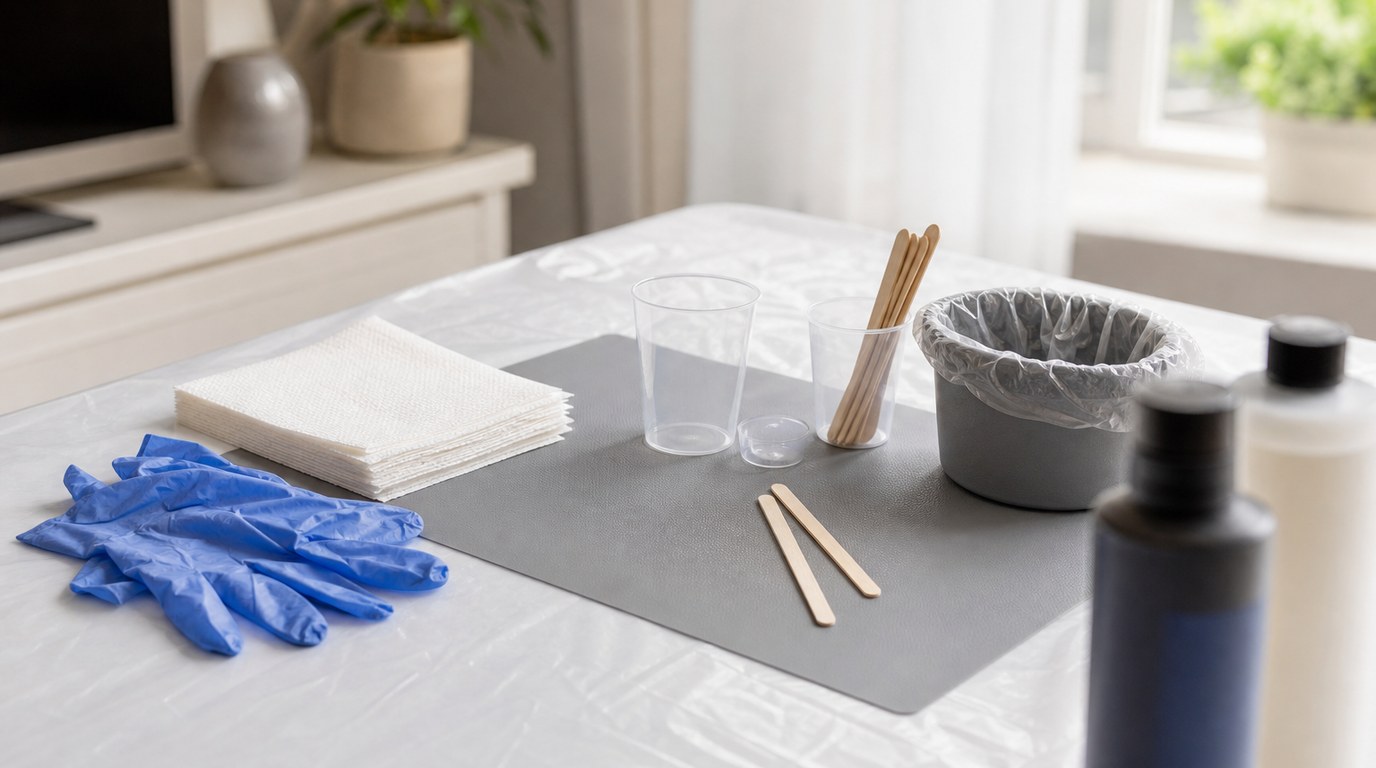
Once epoxy resin is mixed, the clock is running. Preparation prevents spills, forgotten steps, and rushed decisions. Before opening your resin bottles, cover your table with a silicone mat, plastic sheet, or disposable surface. Wear gloves, and keep paper towels, trash, and basic cleanup supplies nearby.
Set out your molds, bezels, pigments, stir sticks, measuring cups, and inclusions before you mix. If you are adding dried flowers, glitter, photos, or charms, arrange them first so you know the order of steps.
Check that molds are clean, dry, level, and dust-free. A tiny piece of lint can become permanent once resin cures around it. If a mold or bezel might leak, test or seal it before using resin. Finally, plan a dust cover, such as a storage bin, box, or clean plastic dome, to protect the piece while it cures.
Quick Beginner Checklist Before Your Next Resin Pour
Before you pour, run through this quick checklist:
- Read the resin label for ratio, working time, and cure time.
- Confirm whether to measure by volume or weight.
- Bring resin, hardener, and molds to room temperature.
- Cover your table and wear gloves.
- Set out tools, colors, molds, and inclusions.
- Make sure molds are clean, dry, and level.
- Mix slowly, scraping the sides and bottom.
- Pour carefully and remove bubbles early.
- Cover the project while it cures.
- Leave it undisturbed for the full cure time.
Common Beginner Mistakes These Tips Help Avoid
These top 3 epoxy resin tips prevent the most frustrating beginner mistakes. Sticky resin often comes from inaccurate measuring, under-mixing, or scraping poorly mixed resin into the mold. Bubbly or cloudy resin can happen when the room is too cold, the resin is stirred too fast, or heat is used too aggressively.
Dusty surfaces usually mean the piece was left uncovered while curing. Leaks happen when molds or edges were not checked before pouring. Uneven projects often come from working on a table that is not level. Most issues are avoidable with careful measuring, slower setup, and better timing.
FAQ
What Should a Beginner Know First About Top 3 Epoxy Resin Tips?
Beginners should know that epoxy resin success starts before the pour. The most important basics are measuring accurately, mixing thoroughly, controlling bubbles and temperature, and preparing the workspace. These steps prevent sticky cures, cloudy finishes, leaks, and dust.
What Matters Most When Evaluating Top 3 Epoxy Resin Tips?
The best epoxy resin tips are the ones that prevent permanent mistakes. Once resin cures incorrectly, it can be difficult to fix. Prioritize advice that improves curing, clarity, cleanliness, and safety. Accurate ratio, slow mixing, proper temperature, and setup matter more than fancy effects.
What Mistakes Should Readers Avoid with Top 3 Epoxy Resin Tips?
Avoid guessing the resin ratio, mixing too quickly, pouring in a cold room, and starting before your tools are ready. Also avoid touching resin while it cures or leaving it uncovered. These small mistakes can lead to sticky spots, bubbles, fingerprints, dust, and uneven surfaces.
What Is the Next Logical Step After Learning About Top 3 Epoxy Resin Tips?
Practice with a small project, such as a coaster, keychain, or simple mold. Use a small batch of resin, follow the label exactly, and take notes on temperature, working time, bubbles, and cure results. Small tests build confidence before larger pours.