The Short Answer: the Search for Non-yellowing Epoxy Resin Continues
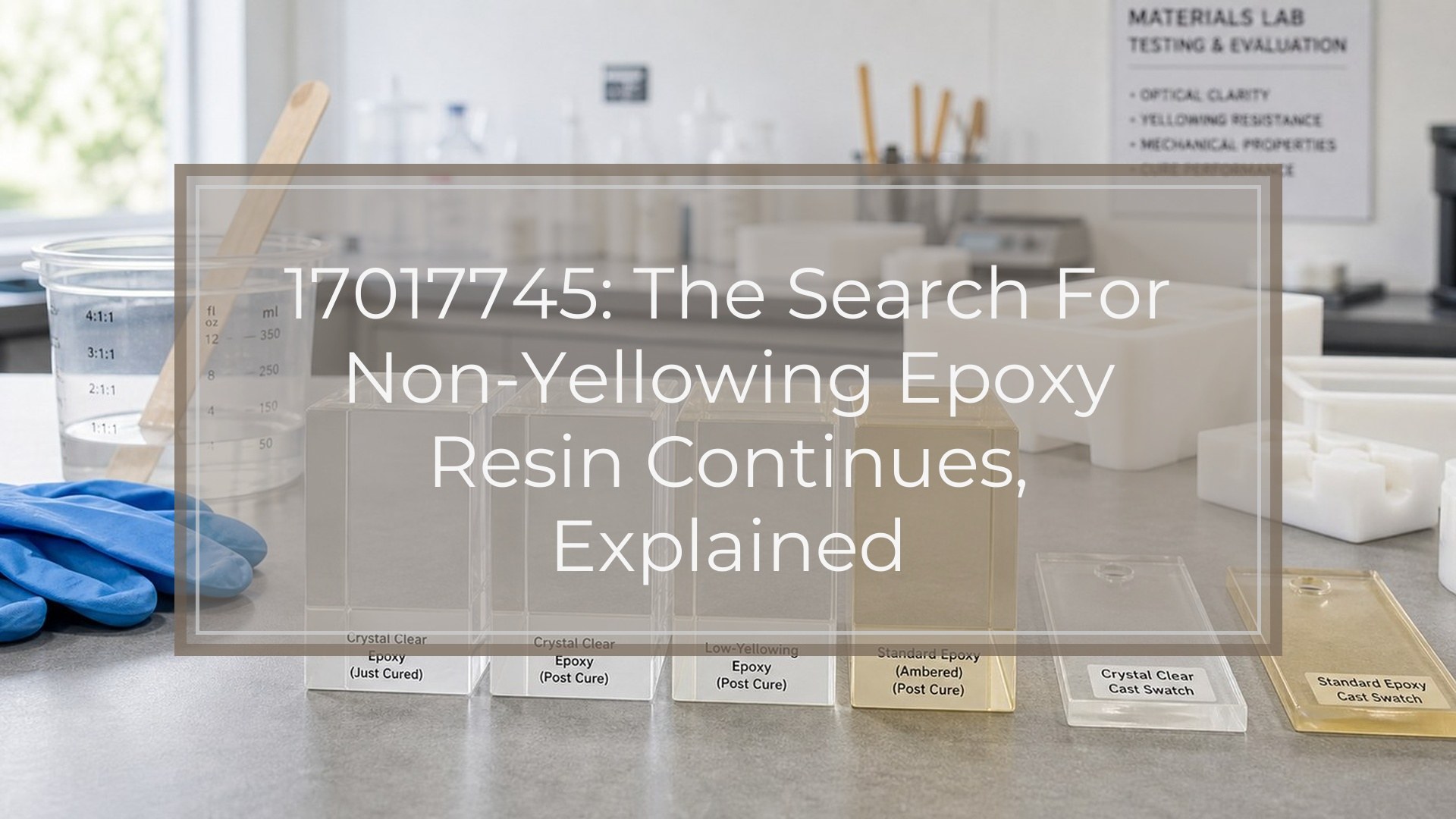
All epoxy resin can yellow eventually. The better question is not “Which resin will never yellow?” but “Which resin will stay clear the longest for my project?”
Yellowing happens faster when epoxy is exposed to UV light, heat, age, poor-quality ingredients, incorrect mixing, or colorants and add-ins that discolor. Some formulas are much more resistant than others, especially resins made with UV inhibitors and stabilizers, but no epoxy is permanently immune.
For resin artists, the goal is prevention: choose a high-quality clear epoxy, mix and cure it correctly, avoid reactive or unstable add-ins, and protect finished pieces from sunlight and heat.
Why Epoxy Resin Turns Yellow
Epoxy resin yellows because its chemistry changes over time. When resin is exposed to ultraviolet light, oxygen, and heat, the cured polymer structure begins to oxidize and break down. That change can create a warm amber tint, especially in clear pieces or projects with white backgrounds.
Hardener is often the first part of a resin kit to show yellowing because amines in many hardeners naturally darken with age and exposure to air. That does not always mean the resin is unusable, but it can make clear castings look warmer than expected.
Yellowing is most noticeable in:
- Clear jewelry
- Coasters with white or pale backgrounds
- River tables with transparent pours
- Resin doming over paper or photographs
- Floral preservation pieces
Thicker pours can also make a slight tint look stronger because you are seeing through more resin. A thin coating may look clear, while the same resin in a deep mold may appear noticeably yellow.
Yellowing Causes and Prevention at a Glance
Use this table as a quick check before blaming the resin alone. Often, yellowing comes from a combination of resin choice, working method, and display conditions.
| Cause | What You May Notice | How to Reduce the Risk |
|---|---|---|
| UV light | Clear resin turns amber over time | Use UV-resistant epoxy and keep pieces out of direct sun |
| Heat | Resin darkens or yellows faster | Cure and display away from high heat |
| Old hardener | Hardener looks tea-colored in the bottle | Buy smaller kits and store tightly closed |
| Poor mixing ratio | Sticky, cloudy, or discolored cure | Measure exactly by the product instructions |
| Unstable add-ins | Yellow cast around flowers, paper, or dyes | Test add-ins before using them in a final piece |
| Thick pours | Tint looks stronger in deep areas | Use resin designed for deep casting |
How to Choose an Epoxy Resin That Stays Clear Longer
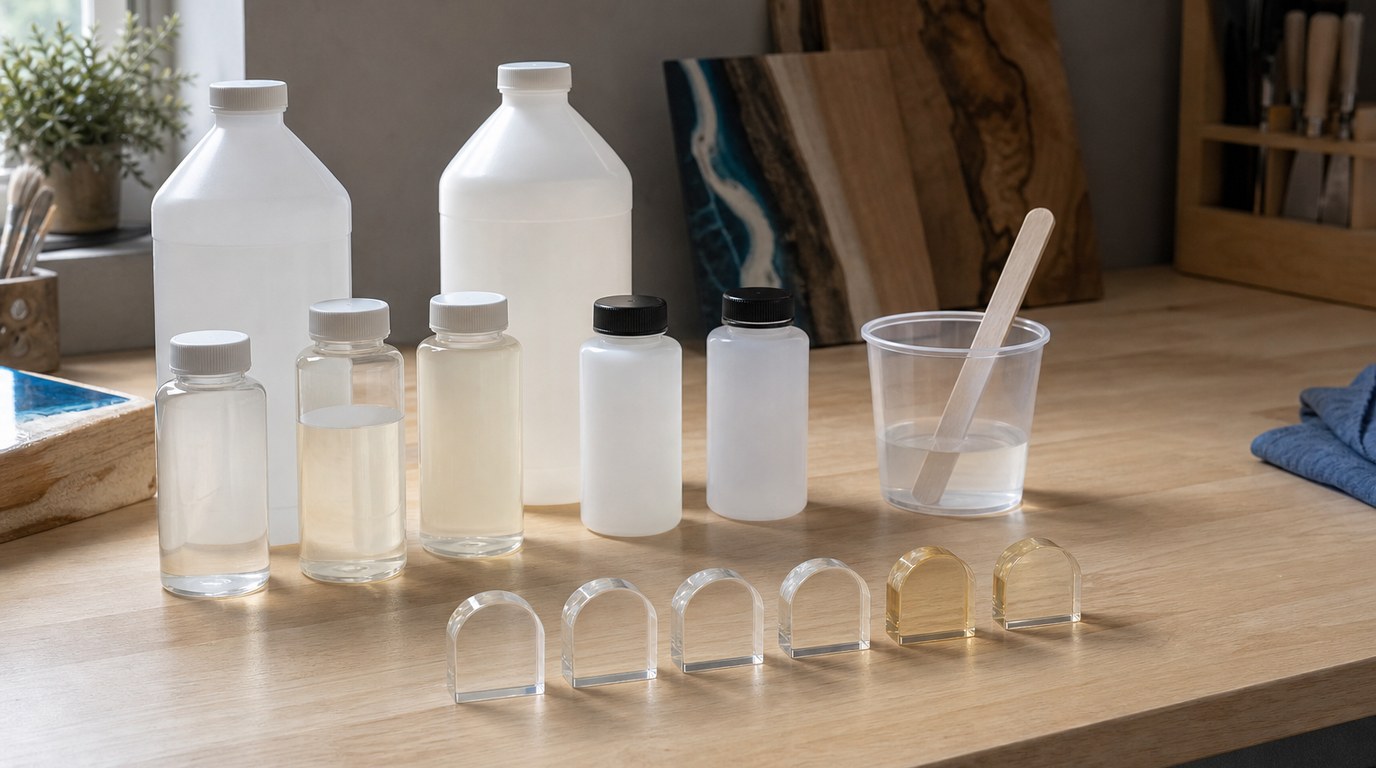
Look for epoxy described as UV resistant, UV stabilized, or formulated for clear casting. These products usually contain additives that slow the yellowing process. They do not stop it forever, but they can make a big difference in how long your project stays bright.
Match the resin to the job. A coating resin for tumblers or artwork may not perform well in a deep mold. A deep-pour casting resin may cure too slowly or too softly for a thin domed surface. Using the wrong resin can lead to overheating, cloudiness, or unexpected color shifts.
Before buying, check:
- The intended use: coating, casting, doming, deep pour, or art resin
- Maximum pour depth
- Cure time and heat tolerance
- Whether it is marketed for crystal-clear results
- Reviews from makers using it for similar projects
If you make items for sale, test each new resin batch with a clear sample and a white sample. White backgrounds reveal yellowing quickly, so they are useful for comparing products.
Mixing and Curing Mistakes That Make Yellowing Worse
Even a good epoxy can look bad if it is mixed or cured incorrectly. Start by measuring resin and hardener exactly. Do not guess by eye unless the product specifically allows it. Too much hardener can leave a yellow cast, while too little can cause soft or sticky areas.
Mix slowly and thoroughly, scraping the sides and bottom of your cup. Unmixed resin can cure unevenly and may appear cloudy, streaky, or discolored. If your resin instructions recommend a two-cup mixing method, follow it: mix in one cup, pour into a second clean cup, then mix again.
Temperature also matters. Resin that cures too hot can yellow sooner, especially in large pours. Avoid pouring deeper than the manufacturer recommends. Do not use a torch excessively to remove bubbles; quick passes are enough. Too much flame or heat gun use can scorch the surface or create a warm tint.
Cure your project in a clean, moderate-temperature space away from direct sunlight.
Add-ins That Can Change the Color of Clear Resin
Sometimes the resin is not the only thing turning yellow. Flowers, leaves, paper, fabric, glitter, alcohol inks, and pigments can all affect the final color.
Organic materials are especially tricky. Dried flowers may fade, brown, or release moisture into the resin. Paper can become translucent or beige unless it is sealed first. Some white pigments and dyes are less stable than they appear and may shift color under UV light.
Before committing to an important piece, make a small test cure with the exact add-ins you plan to use. This is the best way to catch bleeding, fading, browning, or yellow undertones before they ruin a larger project.
How to Protect Finished Resin Projects from Yellowing
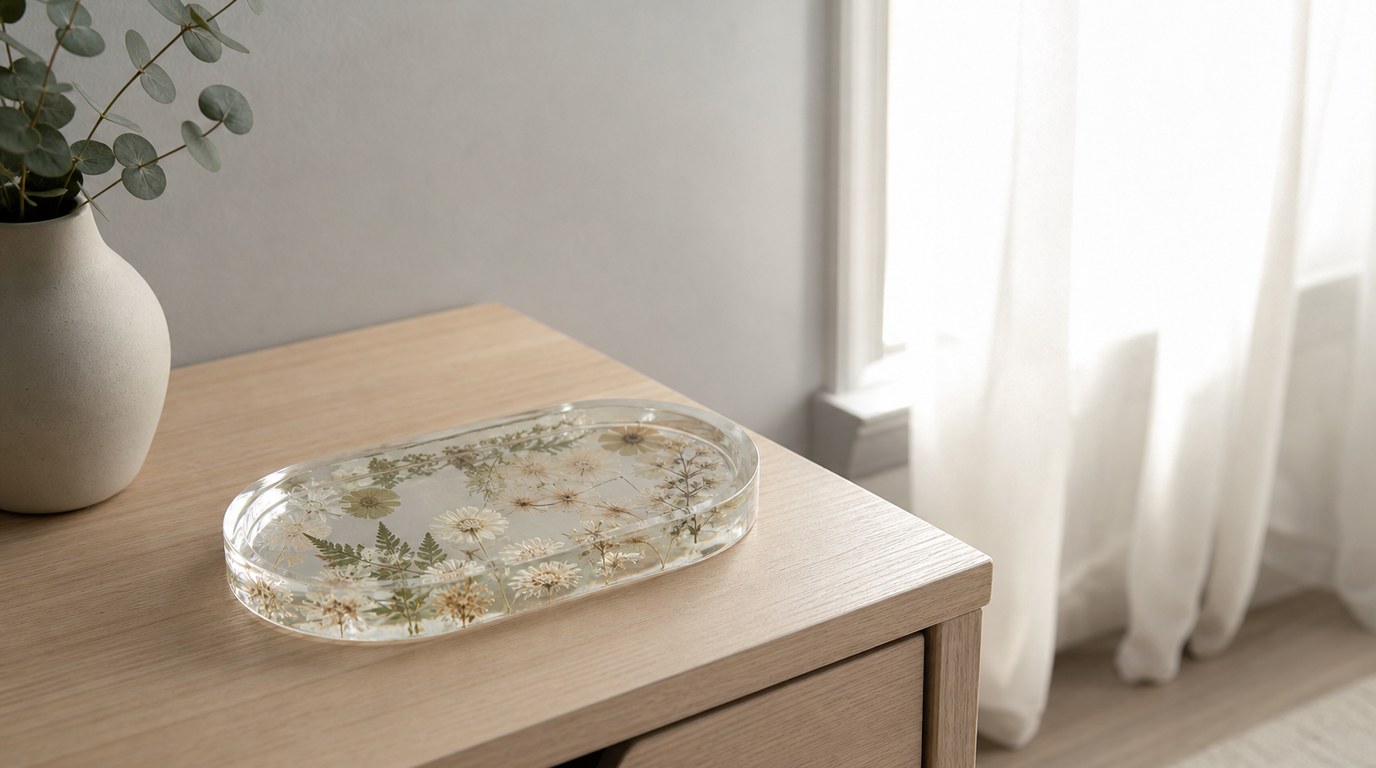
After curing, protect resin from the conditions that speed yellowing. The biggest one is sunlight. A resin tray displayed near a bright window will usually yellow faster than one kept in indirect light.
Use these habits to help projects stay clear longer:
- Keep resin art out of direct sunlight.
- Avoid storing pieces in hot cars, sunny windows, or near heaters.
- Use coasters and trays indoors unless the resin is rated for outdoor use.
- Add a UV-resistant clear coat when appropriate.
- Store unused display pieces in a cool, dark place.
- Clean gently with a soft cloth instead of harsh chemicals.
For wall art, choose a display spot with indirect light. For jewelry, store pieces in a box or drawer when they are not being worn. Small choices like these can extend the clear life of resin projects.
Can Yellowed Epoxy Resin Be Fixed?
Once epoxy has yellowed throughout the cured piece, it usually cannot be made crystal clear again. Yellowing is a chemical change, not just surface dirt.
If the discoloration is only on the surface, light sanding and a fresh clear coat may improve the look. For art pieces, adding color, tint, metallic accents, or an opaque background can sometimes disguise yellowing. For clear castings, prevention is much easier than repair.
FAQ
Is There an Epoxy Resin That Never Yellows?
No epoxy resin is guaranteed to never yellow. High-quality UV-resistant epoxy can stay clear much longer than cheaper formulas, but sunlight, heat, and age still affect it over time. Choose the best resin for your project and protect it after curing.
Why Did My Resin Hardener Turn Yellow in the Bottle?
Many epoxy hardeners naturally darken as they age, especially after exposure to air, heat, or light. A slightly yellow hardener may still cure, but it can tint clear projects. If you need water-clear results, use fresh hardener from a properly stored kit.
Does Uv Resin Yellow Faster Than Epoxy Resin?
It depends on the formula and how the piece is used. Some UV resins yellow quickly, especially with sunlight exposure, while others include stabilizers. Epoxy is often preferred for larger clear projects, but both UV resin and epoxy can yellow over time.
Will Adding Pigment Hide Resin Yellowing?
Pigment can hide mild yellowing, especially dark, opaque, or warm colors. It will not stop the chemical process causing discoloration. White, pale blue, and clear projects show yellowing the most, while black, gold, amber, and deep colors are more forgiving.
How Should I Store Epoxy Resin so It Does Not Yellow Before Use?
Store resin and hardener tightly closed in a cool, dark place. Keep bottles away from windows, heaters, and humid areas. Wipe bottle openings before sealing so caps close properly. Buy kit sizes you can use within the manufacturer’s recommended shelf life.