

If you enjoy baking, you’ve probably wondered if those colorful silicone molds in your kitchen are actually safe to use in the oven. Most silicone molds are oven safe and can handle baking temperatures up to 428°F (220°C). This makes them perfect for cakes, muffins, chocolates, and other treats.
You might worry if they’ll melt or release odors, but silicone is designed to be heat-resistant as long as you stay within the recommended temperature range. Whether you’re a beginner or a baking pro, learning about how silicone behaves in the oven can help you bake with more confidence.

What Are Silicone Molds?
Silicone molds are flexible, nonstick containers for baking or shaping foods. Made from a special type of material called silicone, they offer different shapes, colors, and uses for your kitchen.
Types of Silicone Bakeware
Silicone bakeware comes in many forms, making it easy to find what fits your needs. Some common types include:
- Cake pans: Round, square, and even shaped like hearts or stars.
- Cupcake and muffin molds: Great for single servings.
- Bread and loaf pans: Flexible and easy to clean.
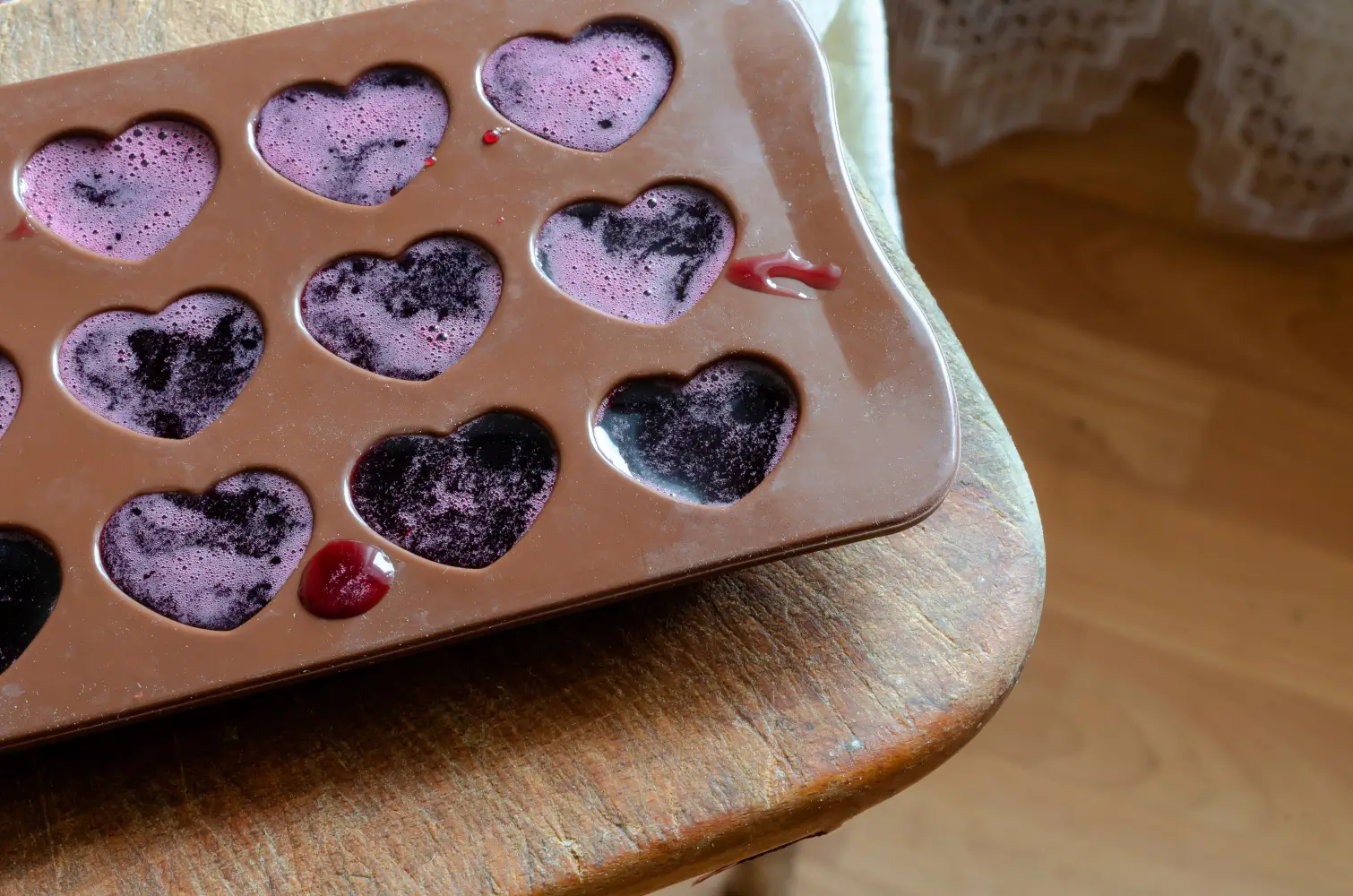
- Candy and chocolate molds: Tiny and detailed for homemade treats.
- Baking mats: Used to line sheets so nothing sticks.
You can also find silicone products for freezing, such as ice cube trays or popsicle molds. The nonstick surface means food usually slides out with ease. Many people use silicone bakeware because it is dishwasher safe and can handle both hot and cold recipes.
How Silicone Molds Are Made
Silicone molds are made from a rubber-like material called food-grade silicone. This kind of silicone is safe for contact with food and can handle high and low temperatures.
The process starts by mixing liquid silicone with a curing agent. The mixture gets poured into a mold, usually made of metal or plastic, that gives the final product its shape. Once the silicone sets, the mold gets removed, leaving a soft but sturdy baking tool.
Manufacturers test the molds to make sure they do not contain harmful chemicals and that they do not break down during normal use. Quality silicone molds are oven safe, microwave safe, and freezer safe. Most are also reusable and durable, making them a popular choice for both home bakers and professionals.
Are Silicone Molds Oven Safe?
Most silicone molds can go in the oven, but you need to make sure they can handle the right temperatures, are made from the right materials, and are labeled oven safe. The safety and performance of silicone molds depend on the type of silicone and how you use them.
Temperature Range and Limitations
Silicone molds are usually safe for oven use if you keep them within their recommended temperature range.
Most food-grade silicone can handle temperatures from about -40°F up to 428°F (220°C). Some brands may only go up to 400°F. If you bake at temperatures above the mold’s limit, the silicone may warp, melt, or weaken.
Check the product’s packaging or seller’s website for the exact temperature range. Using silicone molds inside the suggested range helps your molds last longer and keeps your food safe.
Note: High heat, like broiling, can damage silicone molds or cause them to release unwanted fumes.
FDA Approved and Food-Grade Silicone
Not all silicone molds are equal. Look for FDA approved or food-grade silicone when choosing a mold for baking.
Food-grade silicone is made without harmful chemicals and is safe for contact with food. If a mold does not state it is food-grade, it might contain fillers or other substances you don’t want in your food.
FDA-approved silicone meets safety standards for items that touch food. This reduces your risk of chemicals leaking out, especially at oven temperatures. When shopping, check for labels like “BPA-free,” “100% silicone,” or “FDA approved food-grade silicone.”
Signs Your Silicone Mold Is Oven Safe
There are a few ways you can check if a silicone mold is oven safe:
- Check the label or packaging: It should say “oven safe” and show a temperature maximum.
- Examine the mold: Look for stamps or symbols showing oven safety or food-grade status.
- Bend the mold: If it turns white, it might have too many fillers and not be true silicone.
If you can’t find clear information, avoid using the mold in the oven. Genuine oven-safe molds are often a bit more expensive, but they also last longer and reduce risks.
Benefits of Using Silicone Molds in Baking
Silicone baking molds bring several useful features that make home baking easier and more enjoyable. They help you avoid sticking, make it simple to remove your food, and do not give off any taste or dangerous chemicals.
Non-Stick Surface
Silicone molds have a built-in non-stick surface. This means you usually don’t need to use much, if any, extra butter or oil for greasing. Cakes, muffins, and other baked goods come out of the molds smoothly, leaving very little mess behind.
The non-stick surface helps baked treats keep their shape. You get clean edges and fewer crumbs left in the pan. Cleaning up is simple—most of the time, you only need to rinse the baking mold with warm, soapy water.
If you want to:
- Save time cleaning,
- Keep your baked goods whole,
- Use less added fat,
then a non-stick silicone mold works well for these needs.
Flexible and Easy Release
Silicone baking molds are soft and bend easily. This flexibility lets you gently push or fold the molds to pop out cakes, muffins, and candies without breaking them. You won’t have to use knives or other tools that could scratch a pan or ruin your treats.
When your food is finished baking and cooled a little, you can simply peel the mold away. Even tricky shapes, like detailed cupcakes or shaped chocolates, come out easily. This makes silicone molds very helpful for baking projects where looks matter.
Because they don’t crack or dent, silicone molds last a long time. They can go from freezer to oven without losing their shape or getting damaged.
Odorless and Non-Toxic
Silicone baking molds are odorless. They do not absorb or release flavors, so your baked goods will taste just as they should. You won’t notice any plastic taste or smell, even after many uses.
Made from food-grade silicone, these baking molds do not contain BPA or other chemicals that could leach into your food. It is important to check that your silicone molds are labeled as food-safe before using them for baking.
At normal baking temperatures, silicone molds stay stable and do not break down or give off fumes. This makes them a safe and healthy choice for baking at home.
Care and Maintenance of Silicone Molds
Taking care of your silicone molds helps them last longer and keeps your food safe. Good cleaning and careful storage are both important to prevent damage and stains.
Dishwasher Safe Cleaning
Most food-grade silicone molds are dishwasher safe. You can place them on the top rack of your dishwasher for easy cleaning. If your silicone molds have deep crevices or detailed patterns, check after the wash to make sure all food bits are gone.
For stains or stubborn grease, soak molds in warm soapy water for a few minutes before scrubbing with a soft sponge or cloth. Avoid using anything abrasive, like steel wool, which can tear the silicone.
If you prefer hand washing, use a mild dish soap and rinse well to remove any sticky residue. Let the molds air dry or towel dry. Do not use harsh chemicals or bleach—these can break down the silicone and shorten the life of your molds.
Proper Storage and Handling
Store your bakery molds in a cool, dry place. Keep them out of direct sunlight to prevent fading and brittleness. Avoid placing heavy items on top of silicone molds, as they can lose their shape if squished.
When you need to stack molds, try to stack similar shapes together. That helps keep them from bending or folding awkwardly. If you notice any leftover grease or stickiness before storing, clean the molds first. This helps prevent dust and odors from collecting.
You don’t need to oil your molds for storage. Just make sure they are totally dry to stop mold and mildew from forming. Handle your molds gently—pulling or stretching too hard can cause small tears, making them less effective over time.
Comparing Silicone Molds With Other Bakeware Materials
Different bakeware materials can change how your food cooks and how easy it is to clean up. Factors like heat resistance, sticking, and safety are important when choosing between options.
Silicone vs Metal Bakeware
Silicone molds are known for their flexibility and non-stick nature. You can easily pop out cakes, muffins, or candies, and cleanup is simple with just a rinse. Most food-grade silicone bakeware is oven safe up to 428°F (220°C), so it can handle regular baking without melting or warping.
Metal pans like aluminum or steel heat up quickly and create a crisp crust, which is great for bread or pizza. However, metal bakeware is prone to rust or warping if not cared for correctly. Food can sometimes stick unless you grease the pan or use parchment paper.
| Feature | Silicone | Metal |
|---|---|---|
| Non-stick | Yes | No (unless coated) |
| Oven Safe Temp | ~428°F | 450°F+ |
| Flexibility | Flexible | Rigid |
| Cleanup | Easy | Varies |
If you want easy release and simple cleaning, silicone molds are a good choice. If you need your baked goods to brown or crisp, metal pans work better.
Silicone vs Glass and Ceramic
Glass and ceramic bakeware are heavy and hold heat well, giving even cooking and browning. They are best for casseroles, pies, and dishes that need time in the oven. But, glass and ceramic can break if dropped or exposed to sudden temperature changes.
Silicone bakeware is almost impossible to break and is much lighter. It doesn’t hold heat like glass or ceramic, so your bakes may have softer edges. Silicone molds can go from the freezer to the oven, but avoid putting them on direct heat, such as under a broiler.
Here’s a quick comparison:
- Weight: Silicone is lightweight; glass and ceramic are heavy.
- Breakage: Silicone doesn’t shatter; glass and ceramic can crack.
- Sticking: Silicone rarely sticks; glass or ceramic sometimes need greasing.
- Oven to Freezer: Silicone can handle quick temperature changes; glass sometimes cannot.
Choose silicone if you want something durable and easy to use. Choose glass or ceramic when you want steady, even heat for baking.
Freezing and Microwaving With Silicone Molds
Silicone molds are popular because they handle both very cold and hot temperatures without being damaged. You can use them in the freezer or the microwave for a variety of recipes.
Freezer Safe Features
Silicone molds are perfect for freezing foods and liquids. They stay flexible, even at very low temperatures. This makes it easy to remove frozen items like ice cubes, homemade desserts, or baby food without breaking the shape.
You do not need to worry about cracking, chipping, or sticking. Silicone does not absorb odors from other foods in the freezer. It is also resistant to stains and does not become brittle.
List of common uses for freezing with silicone molds:
- Ice cubes and flavored ice
- Frozen fruit snacks
- Chocolate candies
- Individual servings of soups or sauces
Silicone molds are also easy to clean after use. You can usually wash them by hand with warm, soapy water.
Microwave Safe Capabilities
Silicone molds are safe for use in the microwave if made from food-grade material. They do not melt or lose shape when heated, as long as you stay below their maximum temperature limit (about 428°F or 220°C).
You can heat or cook foods like mug cakes, single servings, or melt chocolate in these molds. Silicone cools quickly, making it safer to handle soon after microwaving. Always double-check for a label or symbol that says “microwave safe” before using any new mold.
Tips for using silicone molds in the microwave:
- Do not overfill the mold; food may expand as it heats.
- Use oven mitts or a towel to remove hot molds.
- Avoid contact with sharp utensils that might damage the silicone.
Cleaning is simple, and there is no risk of leftover flavors from previous dishes.
Silicone Molds in Commercial Kitchens
Silicone molds are common in commercial kitchens because they can handle heat and are flexible. They offer benefits for baking, preparation, and cleanup.
Safety and Efficiency in Restaurants
In a restaurant kitchen, safety is one of your first concerns. Silicone bakeware is oven safe and can often handle temperatures up to 428°F (220°C), making it suitable for most commercial ovens.
Silicone does not react with food or produce harmful fumes at normal baking temperatures. It also cools down faster than metal pans, which lowers the chance of burns. Its non-stick properties mean you need less oil or greasing, cutting down on both mess and risk of fire from extra fats.
Because silicone molds are light and flexible, you can unmold baked items quickly. This saves time, especially during busy service hours. Silicone bakeware is also dishwasher safe, which means faster and easier cleanup.
Best Practices for Professional Use
To get the most out of silicone molds in your kitchen, always check the temperature rating first. Not all molds are made the same, and some may have lower max temperatures.
When baking, place silicone molds on a sturdy tray before filling. This makes it easier to move batter-filled molds without spills. Avoid using sharp tools or knives on silicone bakeware, as they can cause permanent damage or tears.
Before first use, wash new molds in hot, soapy water to remove any factory residue. Always inspect molds for cracks or signs of wear before each use. Replace any molds that are damaged, as torn silicone could affect baked goods or safety.
Store silicone bakeware flat, and avoid stacking heavy items on top to keep their shape intact. Following these tips can help keep your kitchen safe and efficient while using silicone molds.