
You might be wondering if you can paint over epoxy, whether it’s on your garage floor, a countertop, or an art project. Yes, you can paint over epoxy if you use the right steps and materials. This is great news if you want to refresh an old surface or add a new color to your project.
Painting epoxy isn’t tricky, but you do need to prep the surface by sanding and cleaning. With a good primer and the right paint, your finish can look smooth and last a long time. If you stick with some simple guidelines, you can get results that look great and hold up well.
Understanding Epoxy and Its Properties
Epoxy is known for its strength, smooth finish, and long-lasting qualities. It is a popular material used for coatings, creating a hard surface that stands up well to daily use.
What Is Epoxy?
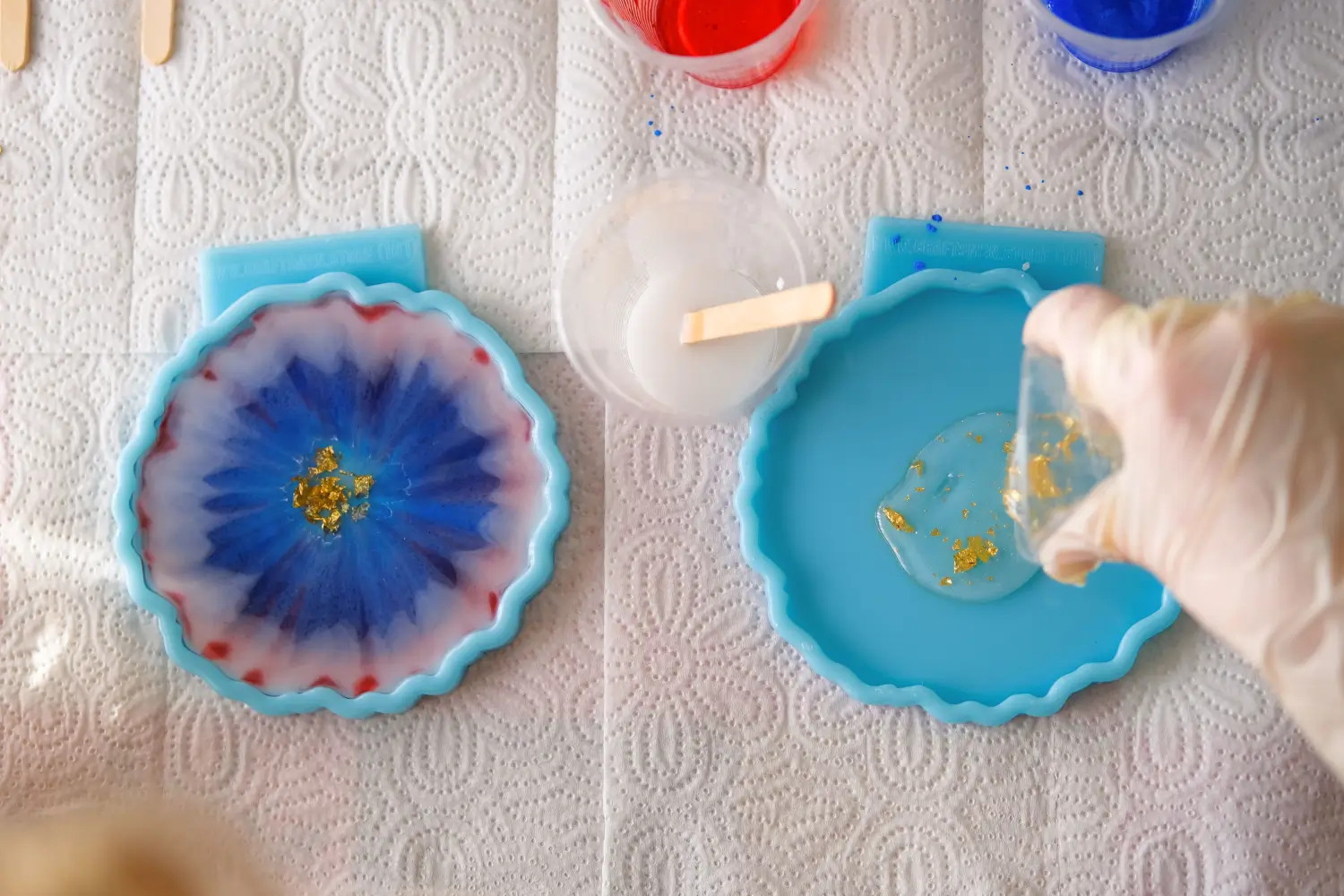
Epoxy is a type of synthetic resin made by mixing two parts: the epoxy resin and a hardener. When these are combined, they create a chemical reaction that forms a solid material.
You often see epoxy used in adhesives, coatings, and sealants. It is valued for its strong bonding abilities and its resistance to water and chemicals.
Because epoxy does not shrink much as it cures, it provides a smooth, even coating. This makes it great for protecting surfaces and making them look shiny and sleek.
Types of Epoxy Resins
There are several types of epoxy resins you can use, each one designed for special uses. Here’s a simple table to show some common types:
| Type | Main Use | Strengths |
|---|---|---|
| Bisphenol A-based | Coatings, paints, adhesives | Good balance of cost & strength |
| Bisphenol F-based | Thin coatings, electrical uses | Low viscosity, good for layers |
| Novolac epoxy | Heat/chemical resistance needed | High durability, resistant |
Choosing the right epoxy resin depends on your project. Some types have higher durability or are easier to spread thin, while others may last longer or provide a clearer finish.
Epoxy resins can also come in different forms: liquid, paste, or even as a powder. You should always check the shelf life, as some types can expire and lose their strength.
Epoxy Finish and Durability
Epoxy creates a durable finish that protects whatever it covers. Its solid surface resists scratches, impacts, and spills from chemicals or water.
Epoxy coatings are known for their high solids content, meaning most of what you apply stays on the surface when dry. This makes the surface thicker and stronger.
You should also know that an epoxy finish keeps its shine and smoothness for a long time. It doesn’t need a lot of upkeep, and it stands up to wear and tear better than regular paint.
With the right care, your epoxy coating will maintain its look and protection for years. Always store extra epoxy as directed, since shelf life can vary depending on how you keep it.
Can You Paint Epoxy Surfaces?
You can paint over epoxy surfaces if you use the right methods and materials. For the best results, it is important to prepare the surface and choose paints that will properly stick and last.
Painting Over Epoxy Explained
Painting over epoxy is possible, but it takes the right preparation. Epoxy creates a hard, smooth, and non-porous finish that some paints might not stick to easily. Before painting, you should clean the surface well and lightly sand it to help the new paint grip.
Make sure any cracks or chips in the epoxy are fixed. After sanding, dust off the surface. You may also use a primer designed for glossy or epoxy surfaces to help with paint adhesion. Skipping these steps can cause chipping or peeling later.
Compatible Paint Types for Epoxy
Choosing the right paint is important for a durable and attractive finish. Below is a table showing different types of paint and their compatibility with epoxy surfaces:
If you’re working with acrylics, you may also want to put resin over acrylic paint for a clear, durable top layer.
| Paint Type | Compatible with Epoxy? | Notes |
|---|---|---|
| Epoxy Paint | Yes | Best choice for adhesion and durability |
| Urethane | Yes | Durable; often used on floors |
| Latex | Sometimes | Needs primer; not as durable |
| Oil-Based | Sometimes | May require special prep |
| Spray Paint | Sometimes | Use with a good primer |
Brands like Interlux and Awlgrip make epoxy-compatible paints for specific applications, like boats or flooring. Always check the label to make sure the paint is safe to use on epoxy.
Limitations and Considerations
Epoxy surfaces are very tough, but that does not mean any paint will last forever. If the epoxy is not cleaned and sanded, paint adhesion will be weak and could soon wear off. Using UV inhibitors is important for surfaces exposed to sunlight, as many epoxies and paints can yellow or degrade over time.
Also, paints used indoors may not work well outdoors, especially if exposed to water or sun. Some paints are made for concrete or wood—using these on epoxy without checking instructions might result in poor results. Always test a small spot first, especially if you are unsure.
Preparation Before Painting Epoxy
To get paint to stick well to epoxy, start with a clean, smooth surface. This removes issues like amine blush and helps the paint last longer.
Cleaning and Removing Amine Blush
After epoxy cures, a greasy layer called amine blush may form on the surface. This sticky film comes from the chemical reaction in the epoxy. It can stop paint or primer from sticking right.
You should remove amine blush using warm water, a mild soap, and a clean sponge or rag. Do not use solvents like alcohol or paint thinner, because these may just smear the blush instead of removing it. Wipe down the whole area until it feels clean, then rinse with fresh water.
Dry the surface fully before you move on. Even a little bit of blush can ruin how your paint sticks and looks.
Sanding for Mechanical Bond
Epoxy is very smooth when it cures, which makes it hard for paint or coatings to grip. Sanding creates tiny scratches that give the next layer something to hold onto. This is called a mechanical bond.
Start by making sure the surface is fully cured and clean. Use even pressure and sand in a way that covers the whole area. If you miss a spot, paint may peel later.
Vacuum or wipe off all the dust after sanding. Dust can stop paint from sticking and can leave bumps in your finish.
Choosing the Right Grit Sandpaper
Choosing the correct grit sandpaper is important for good paint adhesion. For most tasks, use sandpaper in the range of 120 to 220 grit. Grit numbers go higher as the grains get smaller.
A lower grit like 80 can scratch too deeply and damage the epoxy layer. Grits finer than 220 can make the surface too smooth for paint to grip well.
Use a sanding block or orbital sander for even sanding. Always check the manufacturer’s guidelines for your exact grit recommendation, since some paints or primers may need a specific surface texture for best results.
Priming and Sealing Epoxy Surfaces
Priming is a key step when you want new paint to stick to epoxy. The right primer helps bond the new surface and makes the finish last longer.
When to Use an Epoxy Primer
You should use an epoxy primer when painting over cured epoxy surfaces or when you want to seal porous epoxy. Primers help seal the surface, making it smoother and less likely to soak up extra paint.
If you skip this step, paint may peel or develop bubbles. Epoxy primer is especially helpful if your epoxy was sanded, as sanding makes tiny scratches that primer can fill.
Use an epoxy primer when:
- Painting over old epoxy
- Covering large repaired areas
- Sealing surfaces that will see a lot of use
For small touch-ups or areas not exposed to much wear, you might skip the primer. But for a strong bond and smooth finish, priming is recommended almost every time.
Applying Primer for Better Adhesion
Proper surface prep is important for primer and paint to stick. Clean the epoxy surface to remove oil, dirt, or dust. Sand the area lightly with fine-grit sandpaper. Wipe away any sanding dust.
Stir the epoxy primer well before use. Use a brush or roller to spread an even, thin layer. Let the primer dry for the time listed on the can or label.
After priming, check for spots you missed. Add a second coat if needed for full coverage. This step gives your final paint coat the best possible grip on the epoxy, which helps stop peeling and chipping.
Best Paint Options for Epoxy Coatings
When painting over epoxy, choosing the right type of paint is important for making sure the finish lasts and looks good. Different paints offer different levels of durability, shine, and resistance to scratches or sunlight.
Two Part Polyurethane Paint
Two part polyurethane paints are a top choice for coating epoxy surfaces. This paint type mixes two components—a base and a hardener—for a tough, long-lasting finish.
These paints stick well to cured epoxy and create a strong surface that can resist chemicals, scratches, and sunlight. This makes them popular for garage floors, countertops, and boats.
Application needs careful mixing and good ventilation since the fumes can be strong. It’s important to follow safety instructions and wear protective gear. The result is a smooth, even coat that lasts for years.
Benefits of Two Part Polyurethane:
- High durability
- UV resistance
- Chemical resistance
- Good for floors, countertops, and outdoor areas
Acrylics and Other Alternatives
Acrylic paints can also be used over epoxy. They are easier to work with than polyurethane and have less odor.
Acrylics dry faster and are simple to clean up, but they may not be as tough in high-traffic areas. These work well for craft projects or surfaces that don’t get a lot of heavy use.
Other alternatives include oil-based paints, which give a durable finish but take longer to dry. Some users choose water-based paints, but you must make sure the epoxy is fully cured and lightly sanded to help the paint stick.
When to Choose Acrylic:
- Indoor projects
- Art and crafts
- Areas without heavy wear
| Paint Type | Strengths | Best For |
|---|---|---|
| Two Part Polyurethane | Very durable, UV safe | Floors, outdoors |
| Acrylic | Easy to use, fast dry | Crafts, indoor |
| Oil-based | Good durability | Various surfaces |
Achieving a Gloss Finish
If you want a shiny, gloss finish on your epoxy surface, you’ll need to pick the right paint and apply it carefully.
Two part polyurethane is the best choice for a high-gloss look. Use a foam roller or brush for smooth results and avoid dust during drying. Several thin coats give a more even shine than one thick coat.
Acrylics can also give some shine but will not match the gloss level of polyurethane. For extra gloss, add a clear topcoat over your paint. This adds more shine and protection, making the surface easier to clean and longer-lasting.
Tips for a Glossy Finish:
- Use high-quality brushes or rollers
- Work in a clean, dust-free space
- Allow proper drying between coats
- Finish with a clear gloss topcoat if needed

Recommended Applications for Painting Epoxy
Painting over epoxy opens up new options for updating surfaces like garage floors, wood, or boats. The process and products you use can make a big difference in results and durability.
Garage Floors and Concrete Surfaces
Many homeowners use epoxy as a base coat for garage floors and other concrete surfaces. This is because epoxy adds a layer of protection against stains, chemicals, and tire marks. When you want to change the color, you can paint over the epoxy if you prepare the floor well.
Start by cleaning the concrete thoroughly to remove oil, dust, and dirt. Lightly sand the epoxy with 100-120 grit sandpaper to help the new paint stick. You should repair any cracks before painting.
For the best results, use paint made specifically for concrete or garage floors, such as epoxy- or urethane-based paints. Some products need a primer first, while others can go straight on top. Painting an epoxy floor is an easy way to refresh old surfaces in your home improvement projects.
Painting Epoxy on Wood and Bare Wood
Epoxy resin is often used as a sealant or topcoat for wood surfaces, including bare wood and plywood. It helps protect wood from water damage, warping, and scratches. Painting on top of epoxy is possible, but you need to make sure the surface is fully cured and lightly sanded for best adhesion.
When working with bare wood, apply the epoxy according to the manufacturer’s instructions. After curing, sand it to remove gloss and wipe away any dust. Use a high-quality primer designed for glossy or resin-rich surfaces before painting.
West System epoxy is popular for woodworking and boatbuilding. Make sure your primer and paint are compatible with the type of epoxy you have used. This ensures a smooth topcoat that lasts.
Epoxy on Fiberglass and Boats
Fiberglass boats and surfaces often use epoxy for repairs and waterproofing. When painting over epoxy on fiberglass, good surface prep is important. Clean and sand the area with 120-grit sandpaper, making sure the epoxy is fully cured and free of residue.
Many boat owners use special marine primers and paints over epoxy to stand up to water and sun exposure. Choose products meant for marine or fiberglass use, as regular paints may not hold up. Follow the paint and epoxy instructions closely for the best finish.
Epoxy coatings are commonly used in boat restoration because they create a strong, water-resistant barrier. Painting over them lets you customize the appearance while maintaining durability. For extra protection, use a two-part polyurethane paint or marine grade finish.
Maintenance and Long-Term Durability
Epoxy coatings are popular because they are strong and last a long time with proper care. Durability depends on several factors, including how much the surface gets used and how well you handle repairs.
Foot Traffic and Heavy Use
Epoxy floors can handle a lot of foot traffic without showing signs of wear. These coatings are commonly used in garages, basements, and commercial spaces because they resist scratches and stains. If you have heavy items or equipment moving over the surface, epoxy will generally hold up better than many other types of floor paint.
Regular cleaning helps maintain the finish. Sweeping and mopping remove dirt and grit that can scratch the surface. If you use mats at entrances, you can limit debris and keep your epoxy looking clean.
High-traffic areas might look dull faster. You can use a gentle cleaner—avoid harsh chemicals to protect the coating. Over time, all floors show some wear, but epoxy’s strong bond and chemical resistance offer good long-term performance.
Quick Tips for High-Traffic Areas:
- Sweep or vacuum regularly
- Mop with mild soap and water
- Use mats in entryways
Repair and Repainting Frequency
If your epoxy floor does get damaged, you can repair most small chips or scratches. Light sanding and touch-up paint work well for minor issues. If larger areas start to peel or wear down, repainting may be needed.
Most epoxy coatings last 10 to 20 years or longer with good care. Regular inspections help you spot issues early. Watch for dull spots, peeling, or small cracks. When repainting over old epoxy, sanding the old layer helps the new coat bond better.
Repair Checklist:
- Inspect for damage every few months
- Sand rough or peeling spots before repainting
- Clean and dry the surface before applying new epoxy