
Polishing resin is a common practice for those who work with this versatile material, and a Dremel tool can be a handy instrument for this task. The answer to the question of whether a Dremel can be used to polish resin is yes, but there are a few key considerations to keep in mind when utilizing this tool for such purposes.
Firstly, it is essential to equip the Dremel with a suitable polishing head to achieve the desired finish. Additionally, users need to work slowly and carefully, avoiding excessive pressure or heat, as these may cause the resin to deform. In this article, details on how to effectively polish resin using a Dremel will be discussed, ensuring that hobbyists and professionals alike can achieve a high-quality finish for their resin projects.
Tools Needed for Polishing
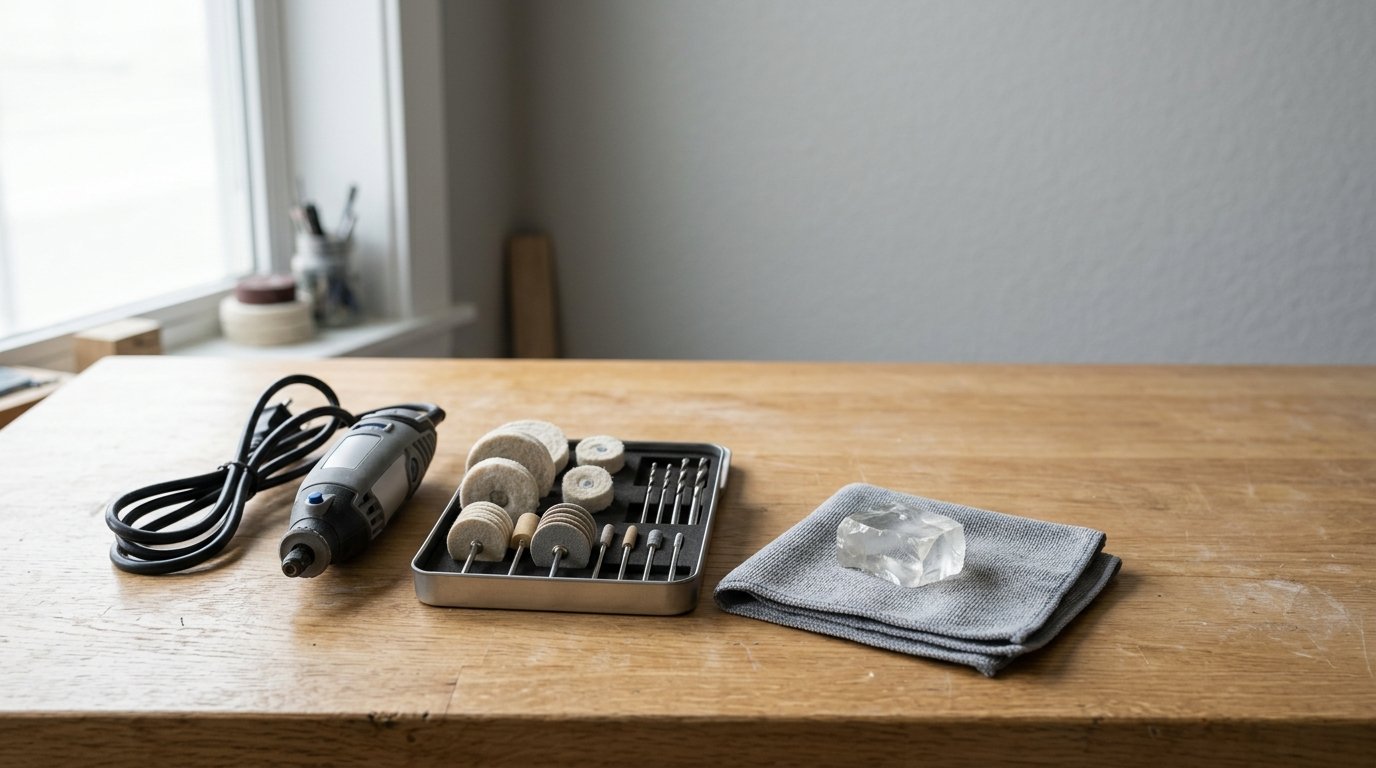
Polishing resin with a Dremel rotary tool requires the right set of tools and accessories to achieve a smooth, clean finish. In this section, we will outline the basic tools and accessories necessary for this task.
Dremel Rotary Tool
A Dremel rotary tool is a versatile, compact device that offers a wide range of applications for a variety of materials, including resin. These high-speed, handheld tools are perfect for resin polishing as they allow for precision and control during the polishing process. Choose a Dremel model that offers variable speed settings, as this will enable you to adjust the speed according to the specific resin project you’re working on.
Polishing Accessories
There are a few essential polishing accessories that you will need to effectively polish resin with a Dremel:
- Sanding Paper: Prepare your resin surface before polishing by sanding it with sanding paper. Start with a lower grit sandpaper to remove blemishes and gradually move to higher grits for a smoother finish.
- Buffing Wheel or Polishing Tool: Attach a buffing wheel or polishing tool to your Dremel or power drill. Ensure that the wheel is suitable for use on resin materials, and keep it moving in a circular motion while applying gentle pressure to prevent overheating and damaging the resin.
- Polishing Compound: Use a polishing compound specifically formulated for use on resins, such as Fabulustre, to achieve a high-gloss finish. Apply the compound to your buffing wheel before polishing your resin piece.
- Microfiber Cloth: Finally, use a microfiber cloth to remove any remaining polishing compound from the resin surface and achieve a clean, high-gloss appearance.
With the right tools and accessories, polishing resin with a Dremel can be an effective and straightforward process, resulting in polished, smooth, and attractive resin pieces.
If you want a simple overview of how to polish resin, this guide covers the basic steps.
Types of Resin
When it comes to polishing resin with a dremel, it is important to know the different types of resin available in order to use the appropriate techniques and tools. In this section, we will briefly discuss the three main types of resin: epoxy resin, polyester resin, and polyurethane resin.
Epoxy Resin
Epoxy resin is a popular choice for various applications due to its versatile properties. It is composed of two parts: the resin and the hardener. When mixed together, a chemical reaction occurs, resulting in a highly durable and strong material. Epoxy resin is commonly used in jewelry making, crafts, woodworking, and as a protective coating for various surfaces. Polishing epoxy resin with a dremel can be done using wet sanding and polishing compounds for a smooth, high gloss finish.
Polyester Resin
Polyester resin is another widely used type of resin, known for its fast cure time and lower price point compared to epoxy resin. It is often used in the production of fiberglass and other composite materials. When it comes to polishing polyester resin with a dremel, it is critical to work on a well-cured piece to avoid damaging the surface. The same techniques used for polishing epoxy resin, such as wet sanding and buffing with polishing compounds, can be applied to polyester resin as well.
Polyurethane Resin
Polyurethane resin is a versatile and flexible type of resin that is often used for molding and casting purposes. It offers excellent impact resistance and can be utilized in a variety of applications such as figurines, model making, and automotive parts. To polish polyurethane resin with a dremel, it is essential to use a gentle approach and avoid applying excessive pressure, as this could damage the surface. Just like the other types of resin, it can be wet sanded and buffed using polishing compounds to achieve a glossy appearance.
Keep in mind that each type of resin may require specific techniques, tools, and materials to achieve optimal results when polishing with a dremel. The mentioned wet sanding and buffing with polishing compounds are general recommendations, while additional methods might be necessary, depending on the specific project and desired outcomes.
Preparing the Resin Surface
Before polishing resin with a Dremel, it is essential to prepare the surface to achieve the best results. This process typically involves wet sanding and removing flaws from the finished resin piece. By following these steps, you’ll create a smooth and even surface, ready for polishing.
Wet Sanding
Wet sanding is an essential step in preparing the resin surface for polishing. It helps to smoothen the surface by removing minor imperfections and scratches, which ensures an even shine after polishing. To wet sand a resin piece, follow these steps:
- Fill a container with water and a few drops of dish soap.
- Begin with a 400-grit sandpaper and submerge it in the soapy water.
- Gently sand the surface of the resin piece in circular motions, keeping the sandpaper wet at all times.
- Gradually progress to finer grits of sandpaper, such as 600, 800, and 1200, repeating the process for each grit.
- Rinse the resin piece thoroughly to remove sanding residue before moving on to the next step.
Removing Flaws
Removing flaws from the resin surface is crucial for achieving a polished finish. Any remaining imperfections, such as bubbles, uneven surfaces or embedded debris, can affect the final appearance. To remove such flaws, follow these tips:
- Use a craft knife or a sharp tool to carefully remove any protruding debris, bubbles, or surface irregularities.
- Fill any holes or depressions in the resin piece with a small amount of fresh resin, and allow it to cure fully.
- Revisit the wet sanding process, focusing on the areas where flaws were repaired, until the surface is uniformly smooth.
After completing these steps, the resin surface should be prepared and ready for polishing with a Dremel.
Polishing Process
Choose the Right Accessory
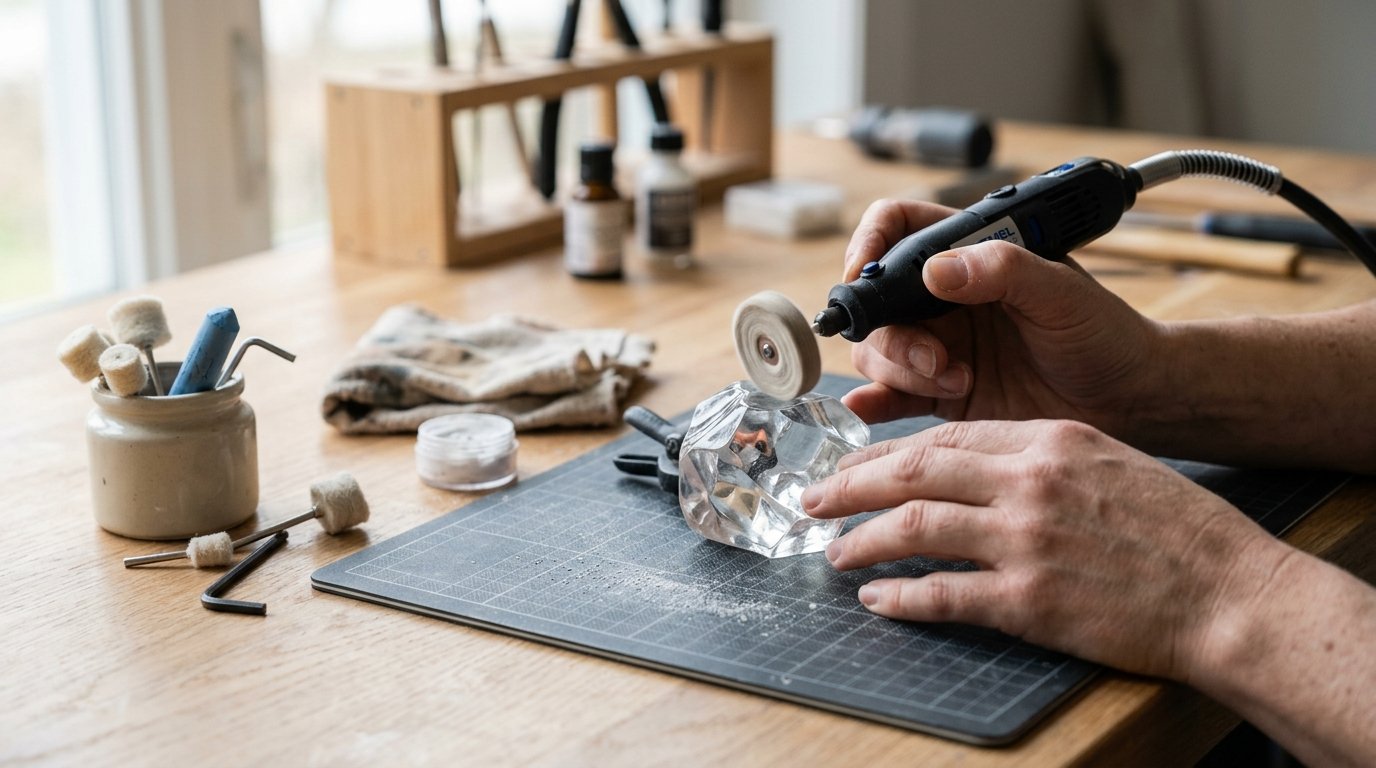
When polishing resin with a Dremel, it is essential to select the appropriate accessory for the task. Using a polishing head, such as a felt or rubber polishing wheel, is recommended. These polishing heads can be easily attached to the Dremel and are suitable for polishing resin surfaces. Choosing the right accessory will determine the success of the polishing process.
Applying Polishing Compound
Before starting the polishing process, apply a polishing compound across the surface of the resin. Opt for a polishing compound specifically formulated to work with resin or labeled as a fine scratch remover. Applying the compound liberally ensures a uniform spread across the entire resin surface. This step helps to achieve a smooth, polished finish.
Proper Speed and Techniques
When using a Dremel to polish resin, be mindful of the speed setting and methodology. To avoid overheating and damaging the resin, work slowly and carefully. Utilize a light touch to prevent deformations caused by excessive pressure. Additionally, consider the following tips for optimal results:
- Start with a low speed and gradually increase as needed.
- Move the Dremel in small circles, working your way across the surface evenly.
- Continue polishing until desired smoothness and shine are achieved.
By following this process and utilizing the appropriate Dremel accessories and techniques, polishing resin can be accomplished with ease, resulting in a professional-looking finish.
Safety Precautions
While polishing resin with a Dremel is a useful and effective method, it is essential to take proper safety precautions during the process. This section will cover two key safety aspects: proper ventilation and protective gear.
Ventilation
Good ventilation is critical when working with resin and power tools, as it helps minimize the inhalation of potentially harmful dust particles. Ensure that your workspace is well-ventilated by:
- Opening windows and doors to promote air circulation
- Using an exhaust fan or ventilation system to remove dust from the area
- Wearing a dust mask, especially if working in a confined space
Protective Gear
Wearing appropriate protective gear is vital for your safety while using a Dremel to polish resin. Key protective equipment includes:
- Eye protection: Safety goggles or glasses are necessary to prevent the risk of flying debris damaging your eyes.
- Hand protection: Wear a pair of sturdy gloves to protect your hands from sharp resin edges and reduce the risk of injury when handling the Dremel.
- Hearing protection: A Dremel can be noisy, especially when used for prolonged periods. Using earplugs or earmuffs helps protect your hearing.
In conclusion, following these safety precautions will help you polish resin with a Dremel confidently and securely. Remember to always work in a well-ventilated area and wear the appropriate protective gear to minimize the risk of injury.
Alternative Polishing Methods
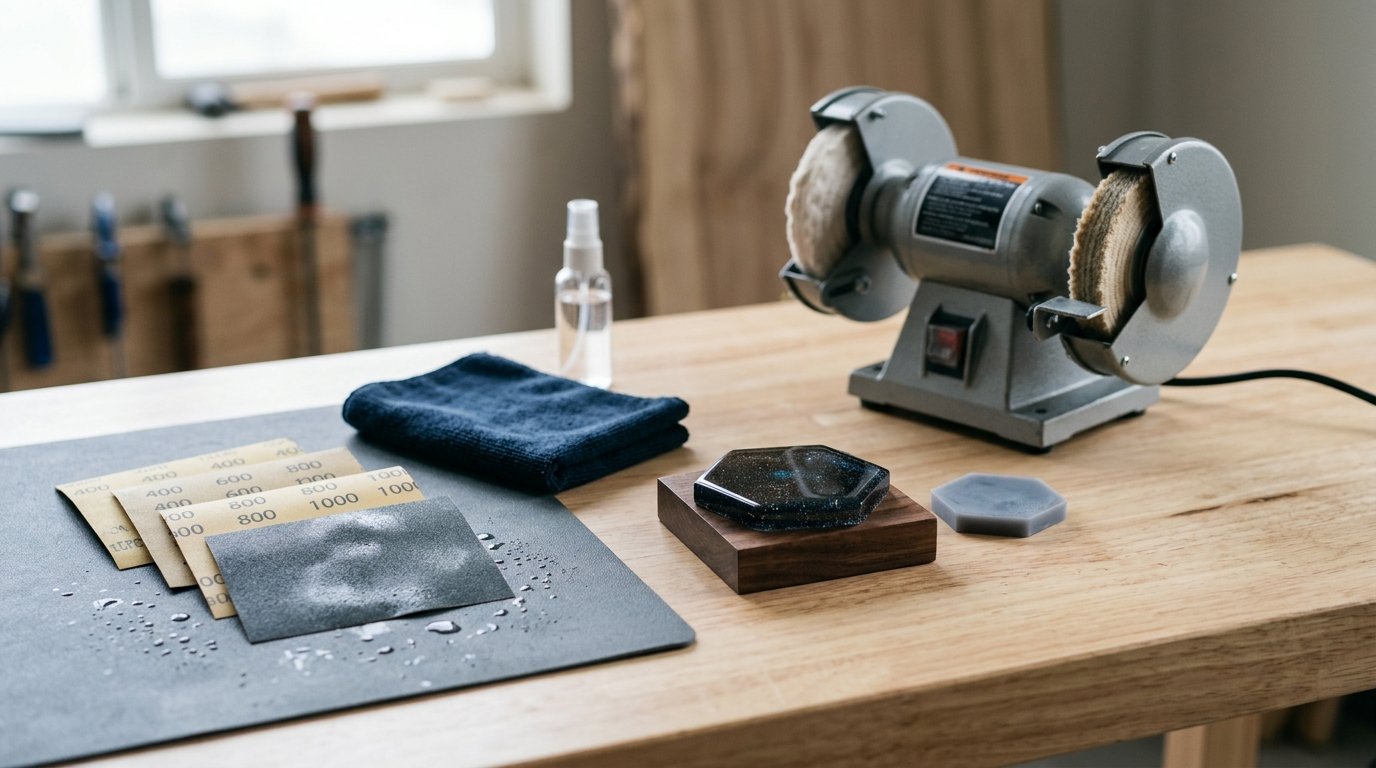
While using a Dremel is a popular method for polishing resin, there are alternative polishing methods that can also provide a smooth and glossy finish. This section will discuss hand polishing and using a bench grinder for polishing resin.
Hand Polishing
Hand polishing is a cost-effective and straightforward method for polishing resin. It involves using various grits of sandpaper to remove imperfections before achieving a polished surface. To hand polish resin, follow these steps:
- Begin with a lower grit sandpaper (around 200) to remove larger imperfections.
- Progress to a medium grit sandpaper (around 400) to smooth the surface further.
- Finish with a high grit sandpaper (800-2000) for a finely polished surface.
- Optionally, apply a polishing compound and buff the resin with a soft cloth for added shine.
Hand polishing can be time-consuming, but it offers precise control over the polishing process and conserves material.
Using a Bench Grinder
A bench grinder equipped with a buffing wheel is another way to polish resin surfaces. The bench grinder provides a consistent, high-speed polishing motion that can quickly achieve a smooth and glossy finish. Follow these steps when using a bench grinder:
- Ensure the bench grinder is secured to a stable surface and switch it on.
- Attach the appropriate buffing wheel to the grinder.
- Apply a suitable polishing compound to the buffing wheel, such as white rogue for resin and plastics.
- Hold the resin piece firmly and make contact with the spinning buffing wheel.
- Move the resin piece in a circular motion, ensuring even polishing across the surface.
Be mindful of the heat generated by the bench grinder. Overheating can cause the resin to crack or become misshapen, so allow the resin to cool periodically during the polishing process.
Caring for Your Polished Resin
After polishing your resin with a Dremel, it’s essential to take proper care of the finished product to maintain its shine and durability. This section offers tips on cleaning and maintaining your polished resin.
Cleaning Tips
To clean your resin piece, follow these easy steps:
- Use a soft cloth or sponge dampened with warm, soapy water to gently clean the surface.
- Avoid using harsh or abrasive cleaning products, as they may scratch the surface and dull the shine.
- Be sure to remove all dirt, grime, or residue before it dries, as this can result in permanent stains.
- Rinse your resin piece thoroughly with clean water to remove any soap residue.
- Pat dry or air-dry the item to prevent water spots.
Maintenance Advice
Keep your polished resin in great condition by following these maintenance recommendations:
- Store your resin piece in a cool, dry place away from direct sunlight to prevent yellowing or fading over time.
- Avoid exposing your resin creation to extreme temperatures or humidity, as this may cause damage or warping.
- If you notice any minor scratches or blemishes, you can use a fine-grit sandpaper to smooth the surface followed by a Dremel with a polishing bit to restore the shine.
- Consider using a clear, polycrylic spray or automotive wax to add an extra layer of protection and shine to your resin piece. Apply thin, even coats, and follow the manufacturer’s instructions.
With careful cleaning and proper maintenance, your polished resin piece will continue to look its best and maintain its shine for years to come.