

Thinking about using those silicone baking molds for your resin projects? You’re not alone! Many craft enthusiasts wonder if they can save money by using what’s already in their kitchen drawers. Yes, you can use silicone baking molds for resin casting because they’re flexible, durable, and make it easy to remove your cured pieces.
There are a few things to keep in mind, though. Once you’ve used a baking mold for resin, you should never use it for food again. Also, baking molds might give your resin pieces a frosted or cloudy finish instead of the glossy look you might want.
Silicone molds work especially well for resin because they’re flexible. When you’re casting a hard substance like resin, having a bendy mold makes it much easier to pop out your finished creation without damage. So go ahead and raid your bakeware collection—just remember to set those molds aside permanently for your craft supplies once they’ve touched resin!
Understanding Resin and Baking Molds
Resin crafting and baking both use silicone molds, but there are important differences to know before using them interchangeably. The materials, safety concerns, and durability vary between molds made for food and those designed for crafts.
Types of Resin for Crafting
Epoxy resin is the most common type for crafting. It comes as two parts—resin and hardener—that you mix together. When combined, they create a chemical reaction that causes the mixture to harden. Epoxy resin is great for jewelry, coasters, and decorative items.
UV resin is another popular option. This type only hardens when exposed to ultraviolet light. You can cure it quickly using a UV lamp. It’s perfect for small projects and jewelry because you don’t need to mix anything.
Both types work well with silicone molds. The resin won’t stick to silicone, making it easy to remove your finished pieces. Just remember that resin contains chemicals that aren’t food-safe.
Different Baking Molds and Their Uses
Food grade silicone molds are designed specifically for cooking and baking. They’re made from high-quality silicone that’s tested to be safe with heat and food. These molds come in many shapes for cakes, cookies, chocolates, and more.
You can use baking molds for resin projects. The flexible silicone makes it easy to pop out hardened resin pieces. However, once you use a baking mold for resin, you should never use it for food again.
Regular baking molds typically have simpler designs than craft molds. Craft-specific molds often have more detailed patterns for jewelry or figurines.
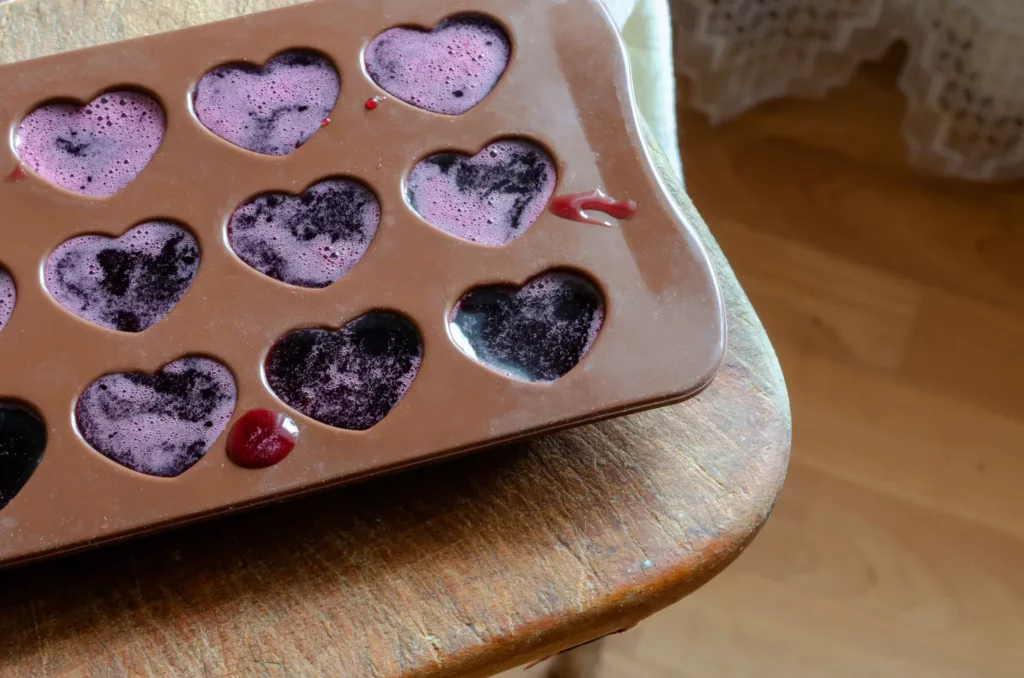
Before using your silicone baking molds for resin:
- Clean them thoroughly
- Make sure they’re completely dry
- Consider using a mold release spray for easier removal
- Label them clearly as “for resin only”
Safety and Compatibility
When working with silicone molds for resin projects, understanding safety concerns and material compatibility is crucial. The right mold will ensure successful projects while keeping you safe.
The Importance of Food-Grade Silicone
Food-grade silicone molds can be used for resin casting, but once you use them for resin, you should never use them for food again. This is because resins are not rated for food use and can leave harmful residues in the silicone material.
Silicone molds are popular for resin work because they’re flexible, durable, and make demolding easy. When shopping for molds, look for those specifically labeled for crafting purposes if you plan to use them exclusively for resin.
If you have kitchen silicone molds you want to repurpose, that’s fine! Just remember to set them aside as “resin-only” tools from that point forward. Many crafters use colored tape or permanent markers to clearly identify which molds are no longer food-safe.
Temperature Range and Resin
Silicone molds are designed to withstand high temperatures—typically up to 400°F (204°C)—making them compatible with most resin curing processes. This heat resistance is one reason they work so well for both baking and resin crafts.
When using heat to cure resin or remove bubbles, be careful not to damage your molds. Small kitchen torches can be too hot and direct for silicone molds, potentially causing damage. Instead, use:
- Heat guns at a safe distance
- Warm (not hot) water baths
- Gentle warming techniques
Different resin types cure at different temperatures. Epoxy resins typically cure at room temperature, while some UV resins need specific light exposure. Always check your resin’s temperature requirements before selecting a mold.
Some silicone molds might degrade over time with repeated resin use. Watch for signs of breakdown like stickiness or loss of flexibility, which signal it’s time to replace your mold.
Preparing Molds for Resin Work
Before pouring resin into your baking molds, proper preparation is key to successful results. Taking time to clean and handle your molds correctly will help you achieve beautiful, professional-looking castings.
Ensuring Clean and Smooth Surfaces
Start by washing your silicone molds with mild soap and warm water. Avoid using harsh detergents that might damage the silicone material. Rinse thoroughly to remove any soap residue that could affect your resin’s curing process.
After washing, dry your molds completely. Any moisture left in the mold can create bubbles or prevent proper curing. You can use a lint-free cloth or let them air dry completely.
For extra preparation, you might want to spray a thin layer of mold release agent. While silicone molds for resin casting are naturally non-stick, a release agent can make demolding even easier, especially for detailed designs.
Before each use, inspect your molds for dust or debris. A quick wipe with isopropyl alcohol on a soft cloth can remove any remaining particles or fingerprints.
Avoiding Damage to Molds
Handle your silicone molds gently to prevent tears or deformation. When removing cured resin, don’t use sharp objects that might cut or puncture the silicone surface.
Store your molds flat in a cool, dry place away from direct sunlight. Avoid folding or creasing them, as this can create permanent marks that will show up in your castings.
Be mindful of heat exposure. While silicone is heat-resistant, excessive temperatures can warp your molds over time. Let hot resin cool slightly before pouring if the instructions allow.
Remember that once you’ve used a baking mold for resin, it should never be used for food again. The chemicals in resin can be absorbed by the silicone and are not food-safe.
Regular maintenance extends your mold’s lifespan. After each use, clean them promptly before any resin has a chance to harden in crevices.
Creative Uses for Baking Molds in Resin Art
Baking molds offer endless possibilities for resin crafting due to their variety of shapes and silicone flexibility. These kitchen tools can transform your resin projects into unique artwork with minimal effort.
Jewelry and Accessory Making
Silicone baking molds work wonderfully for creating custom resin jewelry! Small candy or chocolate molds are perfect for making pendants, earrings, and bracelet charms. The tiny details in these molds show up beautifully in resin.
Try using mini cupcake molds to create unique ring bases or cabochons that you can later mount. Fondant molds with intricate patterns make gorgeous statement pieces when filled with colorful resin.
Remember to never use these molds for food again after using them with resin. Epoxy resin isn’t food-safe and can leave harmful residues in the silicone.
Add mica powders, dried flowers, or small charms to your resin before pouring it into the molds. This creates one-of-a-kind pieces that showcase your personal style.
Home Decor and Functional Art
Larger baking molds open up exciting possibilities for home decor items! Bundt cake molds can become stunning candle holders or decorative bowls when cast in resin.
Silicone muffin tins work great for making:
- Colorful coasters
- Small trinket dishes
- Tea light holders
- Refrigerator magnets
Cookie cutters paired with silicone mats can create flat decorative pieces for wall art or window hangings. Try layering different colors of resin for a stained-glass effect.
Consider making functional items like soap dishes or small organizers using bread loaf molds. The non-stick nature of silicone makes demolding these larger pieces much easier.
For a creative twist, try embedding dried botanicals, glitter, or small toys in your resin pours. This adds visual interest to your custom-shaped home decor items.
Additional Applications for Silicone Molds
Silicone molds are incredibly versatile and can be used for many creative projects beyond baking and resin casting. Their flexibility and non-stick properties make them perfect for various crafting activities.
Soap and Candle Making with Baking Molds
Your kitchen silicone baking molds can easily double as soap molds! The non-stick surface allows soap to release cleanly once set. When making soap, simply pour your soap base into the mold and add colorants, essential oils, or exfoliants like coffee grounds or oatmeal for texture.
For candle making, silicone molds work wonderfully too. The flexible material makes it easy to pop out finished candles without damage. You can create unique shapes that would be difficult with traditional candle molds.
Remember to keep separate molds for food and crafts. Once you’ve used a mold for soap or candles, it shouldn’t return to food service due to residue that might remain.
Innovative Craft Ideas Beyond the Kitchen
Your silicone baking molds can inspire many creative projects. Try making plaster decorations for your home using simple molds. The detailed shapes create beautiful wall hangings or tabletop accents.
Concrete crafts are another exciting option. Small silicone molds can create paperweights, plant pot feet, or decorative garden stones. The flexibility of silicone makes demolding concrete projects much easier than with rigid molds.
You can also use silicone molds to create custom crayons by melting down broken ones. This upcycling project is perfect for kids’ crafts and creates fun-shaped drawing tools.
Bath bombs and melted crayon art are other popular projects that benefit from silicone molds’ flexibility and heat resistance.