

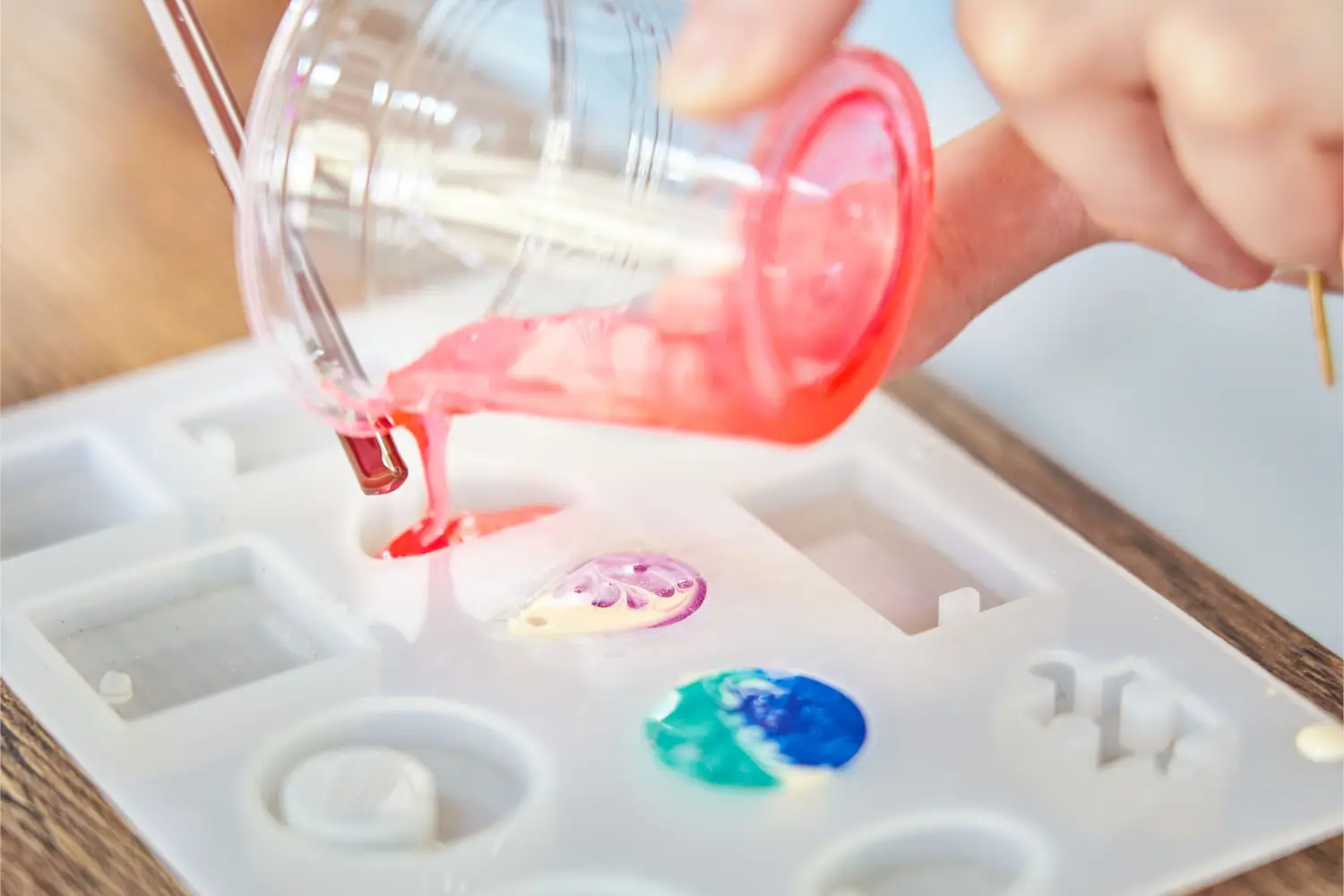
If you’ve ever worked with epoxy resin and silicone, you might wonder how well they stick to each other. Epoxy usually does not bond well to silicone because silicone is made to be a non-stick, “release” surface. This is why many people use silicone molds when working with epoxy projects.
Understanding this can help you avoid wasting time and supplies. You’ll have better results when you know what materials epoxy will actually stick to and which ones it won’t. Keep reading to find out more about why epoxy and silicone behave this way and learn tips that can help your future projects.
Understanding Epoxy and Silicone
Epoxy and silicone are two popular materials often used as adhesives, but they have key differences in their structure and uses. Knowing these differences can help you choose the right adhesive for your specific needs.
What Is Epoxy?
Epoxy is a type of adhesive made from two main parts: a resin and a hardener. When you mix these parts together, they react and form a strong, solid bond. Epoxy adhesives are known for their excellent strength and strong holding power.
Epoxy is often used for projects that need extra durability and toughness. It also resists chemicals and water well, making it helpful for things like repairing tools or sealing cracks. After it hardens, epoxy often feels like hard plastic or glass.
You often see epoxy used on materials such as metal, wood, glass, and some plastics. It needs careful preparation and precise mixing to work well. Sometimes, it can take a few hours to fully cure.
Properties of Silicone
Silicone is a flexible, rubbery material. It is known for being both strong and stretchy. Unlike epoxy, silicone won’t feel hard or brittle after it dries; instead, it stays soft and flexible.
Silicone adhesives can handle wide temperature changes and are water-resistant. This makes them great for areas that might get wet, like bathrooms or kitchens. Silicone does not stick to every surface though—some plastics and smooth surfaces can be tough for it to bond with.
A unique property of silicone is its “release” quality. This means silicone often doesn’t let other adhesives stick to it well, including epoxy adhesives. This is important to remember when you think about using both materials together.
Types of Epoxy and Silicone Adhesives
You will find different types of epoxy adhesives available. Some cure quickly in just a few minutes, while others need several hours to reach full strength. There are epoxies for heavy-duty jobs and those made for specialty uses, like marine or electronics repair.
Silicone adhesives also come in a few forms. Some dry clear, while others can be colored. There are types for indoor and outdoor use. Some silicone adhesives are made to seal cracks, while others are designed for sticking different materials together.
Below is a quick comparison table:
| Feature | Epoxy Adhesive | Silicone Adhesive |
|---|---|---|
| Texture After Cure | Hard, solid | Flexible, rubbery |
| Strength | Very strong, rigid | Moderate, flexible |
| Water Resistance | High | High |
| Typical Uses | Metal, wood, glass | Bath, kitchen, glass, plastic |
| Curing Time | Minutes to hours | Minutes to hours |
| Special Qualities | Chemical resistance, durability | Temperature-resistant, flexible |
Picking the right type depends on your project and the materials you want to bond.
Bonding Mechanisms Between Epoxy and Silicone
Bonding epoxy to silicone is difficult because of how both materials react at a chemical and physical level. Special products or careful preparation are often needed to get even a basic bond.
Adhesion Principles
Epoxy is a strong adhesive that usually forms bonds by soaking into small holes or rough spots on a surface (mechanical interlocking). It also bonds through chemical reactions with certain groups on the surface.
Silicone, however, is different. Its surface is very smooth and chemically stable, which means most adhesives struggle to stick to it. This makes it hard for epoxy to find anything to “grab onto” when it is applied.
Even though both materials are flexible and durable in their own ways, their natural characteristics work against strong bonding. Without a special approach, the bond you get will likely be weak and may fail quickly.
Compatibility of Epoxy With Silicone
In most cases, standard epoxy does not bond well to silicone. Silicone’s surface is non-reactive and acts as a release agent, so epoxy tends to peel off instead of sticking.
There are, however, special primers or modified epoxy glues that can sometimes bond to silicone. These products change the silicone surface so that the epoxy can attach. Using such products can improve the strength of the bond but may require several steps.
If you want to join these materials, it’s important to follow all steps for surface preparation. This might include cleaning, treating with a primer, and using the right adhesive.
Why Bonding Is Challenging
Silicone is naturally flexible, so it moves and stretches while epoxy tends to be more rigid once cured. This difference can lead to cracks or peeling at the joint, especially if the materials are stressed or bent.
Surface preparation is a big factor. Silicone must be cleaned and possibly roughened, but even then, its chemical structure resists bonding with epoxy.
For most everyday projects, getting a strong, lasting connection between epoxy and silicone is tough, unless you use products designed specifically to solve this problem. Even then, the bond may only be as strong as the weakest material in the joint.
Surface Preparation for Effective Bonding
Getting a strong bond between epoxy and silicone is very hard. The way you prepare and treat the surfaces will determine how well the adhesive sticks and whether the bond will last.
Cleaning Techniques
Before you do anything else, make sure both surfaces are extremely clean. Dust, oils, or grease can stop adhesives from sticking.
You should start by wiping the silicone with a cloth soaked in isopropanol (isopropyl alcohol). This removes most oils and processing residues left on the surface. After wiping, let the silicone dry completely.
If the surface is still slippery, repeat the cleaning or consider washing it gently with warm soapy water. Rinse with clean water and dry thoroughly.
For the best results, avoid touching the cleaned surfaces with your fingers. Any residue or moisture left can lower the tensile strength of the bond.
Primers and Treatments
Epoxy does not normally stick to silicone because silicone is non-porous and very smooth. To improve surface prep, you may need a special primer.
Adhesion promoters made for silicone, such as silane primers, can help the epoxy grip the surface. Apply the primer in a thin, even layer and let it dry as directed by the manufacturer.
In some cases, you can roughen the silicone using fine-grit sandpaper (about 320 grit). Sand gently to avoid tearing the material, then reclean the surface to remove dust.
If you are bonding to something other than silicone, check if a primer is needed for that surface too.
Improving Adhesion Strength
Surface preparation is the key factor in creating a strong bond. If the surface is not clean or properly treated, epoxy will peel off with little effort.
Sometimes, using a specialty adhesive designed for silicone may be better than standard epoxy. Some adhesives are made to grab onto slick surfaces and boost tensile strength.
If you still choose epoxy, clamp or press the pieces together until the adhesive cures fully. Even pressure can help increase the bond’s strength.
Always test your method on a small sample to check if the bond is strong enough for your needs. Each project may need a different approach depending on materials and uses.
Limitations and Strength of Epoxy Bonds to Silicone
Epoxy and silicone have different physical and chemical properties, which makes their bonding challenging. You may notice weaker bonds, changes in flexibility, and issues when exposed to different environments.
Bond Strength Expectations
Epoxy does not naturally bond well to silicone materials. Silicone’s surface is very smooth and flexible, while epoxy is hard and rigid once cured. This difference causes epoxy adhesives to have low gripping power on silicone surfaces.
Even strong epoxy formulas often peel off cured silicone without any extra surface treatment. You can improve the bond if you use special surface primers or roughen the silicone, but the strength will usually not match what epoxy achieves with other materials like metal or plastic. If you need a very strong bond, consider adhesives designed just for silicone.
Environmental Factors and Durability
Environmental changes, like humidity, high temperatures, or sunlight, can cause problems for epoxy-silicone bonds. Epoxy holds up well against water and heat when on its preferred materials, but silicone’s flexible nature can widen gaps or cause the epoxy to crack over time.
Temperature swings may create stress at the joint because silicone expands and contracts more than cured epoxy. Outdoor use or wet environments can weaken the already limited bond. You should test the bond in the actual environment if the connection is important for safety or protection.
Flexibility and Shrinkage Issues
Epoxy is hard and brittle once it cures. Silicone, on the other hand, stays rubbery and bends easily. If you move or flex the joined parts, the epoxy may crack or break away from the silicone.
Shrinkage is another concern. When epoxy cures, it can shrink slightly, pulling away from the flexible silicone surface. This gap can grow if the temperature changes or if the part is often moved. For joints that require bending or stretching, it’s better to use a flexible adhesive instead.
Applications and Use Cases
Epoxy and silicone are used for different purposes across electronics, vehicles, construction, and plastics. Knowing where each works best can help you choose the right product for your projects.
Electronics and Potting
In electronics, epoxy is commonly used for potting and sealing circuit boards because it forms a strong, rigid bond. It protects parts from moisture, dust, and vibration. Epoxy works well with materials like metal and hard plastics, which are often found in electrical components.
Silicone is more flexible after curing. It is chosen when electronics might face heat or movement since it can expand and contract without cracking. While epoxy does not bond strongly to silicone, you might still see them used next to each other if each is fully cured before assembly.
If you need to bond wires or coat sensors, epoxy is usually a better choice for a tough hold. If you need flexibility and high heat resistance, silicone is often preferred.
Automotive and Construction Uses
In the automotive field, epoxy is used to bond parts that need high strength, such as metal panels or plastic trim pieces. It can fill gaps and resist chemicals found in cars, like oil and fuel. Mechanics use epoxy for quick repairs because it cures hard and strong.
Silicone is used for gaskets, seals, and joints. It stays flexible, which helps with vibrations and temperature changes in engines and body panels. However, epoxy will not bond well directly to silicone parts. They are often used near each other—epoxy to bond or repair, and silicone to seal.
In construction, epoxy secures anchors in concrete and bonds metal supports. Silicone is perfect for sealing around windows and doors because it keeps out water while allowing parts to move a little.
Composite and Plastic Bonding
When working with composites or plastics, epoxy is valued for its strong bond on materials such as fiberglass, carbon fiber, or certain rigid plastics. It makes lightweight parts sturdy and is used in boats, bikes, and sporting gear made from composite layers.
Some plastics, like polyethylene or polypropylene, are hard for both epoxy and silicone to bond. For flexible plastic or where movement is important, silicone is sometimes used to create a tough, waterproof seal. But remember, epoxy does not stick to cured silicone, so your project design should take this into account.
If you need to glue composite parts, use epoxy for lasting strength. For seals or where flexibility is key, silicone is better, but it won’t act as a glue for rigid bonding. Always check your material compatibility before starting.
Alternative Adhesives for Silicone Bonding
While epoxy does not bond well to silicone, other adhesives can work much better if you need a strong hold. The right adhesive depends on what you are bonding and how much strength you need.
When to Use Silicone Adhesives
Silicone adhesives are made to stick to silicone surfaces. If you need to bond silicone rubber to itself or another surface, a silicone adhesive works best.
Silicone adhesives remain flexible after they cure. This means they move with the parts without breaking the seal. Brands like Sil-Poxy™, TSE397C, and RTV108 are good choices for this kind of job.
Use silicone adhesives if you are:
- Joining two pieces of silicone rubber
- Sealing gaps or cracks in silicone material
- Working where water resistance or flexibility is important
Clean the surfaces before bonding for the best results. A silicone primer like 3M AC78 can also help improve the bond.
Urethane and Other Structural Adhesives
Urethane adhesives can sometimes stick to silicone, but the bond is usually not as strong as with silicone adhesives. These are often used when you need more strength and rigidity compared to silicone types.
Structural adhesives, like some specialty urethanes, may work when bonding silicone to other materials, but their performance varies. You may see some improvement by using a surface primer or treatment.
Urethane adhesives are good for:
- Bonding silicone to metals or plastics
- Filling or sealing jobs where flexibility is less important
- Applications where a stronger, rigid bond is required
Test your adhesive on a small area first. This way, you can check if the bond strength meets your needs before doing the full job.
Tips for DIY Projects and Best Practices
When working with epoxy resin and silicone in DIY projects, it’s important to use the correct materials and understand the timing for mixing and curing. This helps you avoid common mistakes and get the best results.
Choosing the Right Materials
Epoxy resin does not naturally bond to silicone. This is helpful if you are using silicone molds because your finished part will release easily once cured. However, if you want the epoxy to stick to a surface, avoid using silicone or choose molds made from HDPE or other plastics.
If you need to bond something to silicone, look for a special primer designed for silicone surfaces. Standard epoxy resins alone do not bond well to silicone. Mold release sprays can also be used to protect your molds and make unmolding easier. Below is a quick checklist:
- Use mold release for lasting molds
- Silicone primers help if you need a bond
- Avoid silicone if you want strong adhesion
Always check the label on your epoxy resin and curing agent to make sure they are right for your project.
Cure Time and Pot Life Considerations
Epoxy resin has a limited pot life, which is the time you have to work with the resin after mixing the resin and curing agent. Pot life ranges from 10 minutes to over an hour, depending on the type you use. After pot life, the mixture begins to set and can’t be reshaped.
Curing time is how long it takes for the resin to fully harden. This can take anywhere from several hours to a few days. Make sure your workspace is dust-free and at the right temperature for curing.
If you remove your project from the silicone mold too soon, the resin may warp or be sticky. Patience during cure time prevents ruined projects and sticky surfaces. For best results, follow the manufacturer’s directions for mixing, pot life, and cure time.
Conclusion and Key Takeaways
Epoxy usually does not bond well to silicone. Silicone acts as a release agent, which means it is designed to make other substances not stick to it.
If you try to use epoxy adhesives on silicone surfaces, you may see poor adhesion or even total bonding failure. This is because of silicone’s natural resistance to sticky substances, including strong adhesives like epoxy.
Here’s a quick comparison:
| Epoxy | Silicone | |
|---|---|---|
| Bonding | Strong (most) | Weak with epoxy |
| Durability | High | Varies |
| Flexibility | Low | High |
| Chemical Resistance | High | High |
Key Takeaways:
- Epoxy adhesives are strong and last a long time, but not on silicone.
- Silicone surfaces do not easily bond with most adhesives, especially epoxy.
- If you need to glue silicone, look for adhesives made for silicone products.
For any project with epoxy and silicone, always choose your materials wisely. Double-check the specs before starting to make sure the bond will hold.