
Working with UV resin can be fun and creative, but you might wonder if special equipment is necessary. If you’re just getting started with resin crafting, you probably have questions about the curing process and what you need.
Yes, UV resin absolutely requires UV light to cure. Unlike some other resin types, UV resin doesn’t need a hardener or catalyst – it only needs exposure to ultraviolet light to transform from liquid to solid. The good news is you have options for how to provide this light.
You don’t necessarily need to buy a special lamp right away. Natural sunlight contains UV rays that will cure your resin, though it may take longer than a dedicated UV lamp. If you place your UV resin project near a window on a sunny day, it will eventually harden. However, many crafters eventually invest in a UV lamp for convenience, faster curing times, and the ability to work regardless of weather or time of day.
Understanding UV Resin
UV resin is a special type of crafting material that hardens when exposed to ultraviolet light. It’s become popular for jewelry making, coating objects, and creating small decorative items because it’s easy to use right out of the bottle.
Differences Between UV Resin and Epoxy Resin
UV resin comes ready to use in a single component. Unlike epoxy resins that require mixing two parts (resin and hardener), UV resin is convenient for beginners since there’s no measuring or mixing needed.
The biggest difference is in how they cure. UV resins need ultraviolet light to harden, while epoxy resins cure through a chemical reaction after mixing. This gives UV resin a big advantage – it only hardens when you want it to!
UV resin cures much faster too. It can harden in minutes under a UV lamp, compared to epoxy resins that might take 24-72 hours to fully cure.
UV resins work best for thin layers (about 1-3mm), while epoxy resins can be poured in thicker layers.
Components of UV Resin
UV resin contains special light-sensitive chemicals called photoinitiators. When these molecules absorb UV light, they trigger a chain reaction that makes the liquid resin turn solid.
Most UV resins include:
- Photoinitiators: The chemicals that react to UV light
- Oligomers: The base materials that form the main structure
- Monomers: Smaller molecules that help control the thickness
- Additives: Stabilizers that improve shelf life and performance
You might notice some UV resins labeled as “UV LED resin.” These are specially formulated to cure with both natural sunlight and the specific wavelength produced by LED UV lamps.
UV resins are typically clear, but you can add colorants made specifically for resin to create beautiful tinted effects in your projects.
The Role of UV Light in Curing UV Resin
UV light plays a vital role in the hardening process of UV resin. This special light triggers a chemical reaction that transforms liquid resin into a solid, durable material.
The Science Behind the Curing Process
UV resin contains special chemicals called photoinitiators. When these chemicals absorb UV light, they break certain chemical bonds. This breaking of bonds is what starts the curing process.
The process is actually quite specific. Not just any light will work! The photoinitiators need light at the right wavelength (usually between 365-405 nanometers) to activate properly.
When the right UV light hits the resin, it causes the liquid molecules to link together. Scientists call this “polymerization.” This linking creates a strong network of molecules that transforms the liquid into a solid.
The entire reaction happens quite quickly. You’ll often see your resin start to harden within seconds or minutes under proper UV light!
Appropriate UV Light Sources
You have several options for curing your UV resin projects. UV LED lamps are the most popular choice for crafters. They’re energy-efficient, affordable, and specifically designed for curing resin.
If you want a smaller option, see whether a UV flashlight will cure resin.
Natural sunlight also works for curing UV resin. On a bright, sunny day, your resin can cure outside. However, sunlight isn’t always reliable since:
- Weather conditions vary
- Indoor crafting is often more practical
- Curing times may be inconsistent
It’s important to note that UV resin and UV LED resin may require different light sources. Standard UV resin works with both natural sunlight and UV lamps, while UV LED resin is formulated specifically for LED lamps.
When choosing a lamp, look for one with the right wavelength for your specific resin type. Most craft stores sell lamps designed specifically for resin work.
Practical Applications of UV Resin
UV resin offers many creative possibilities for crafters. It’s a versatile material that cures quickly when exposed to UV light, making it perfect for various craft projects.
Jewelry Making with UV Resin
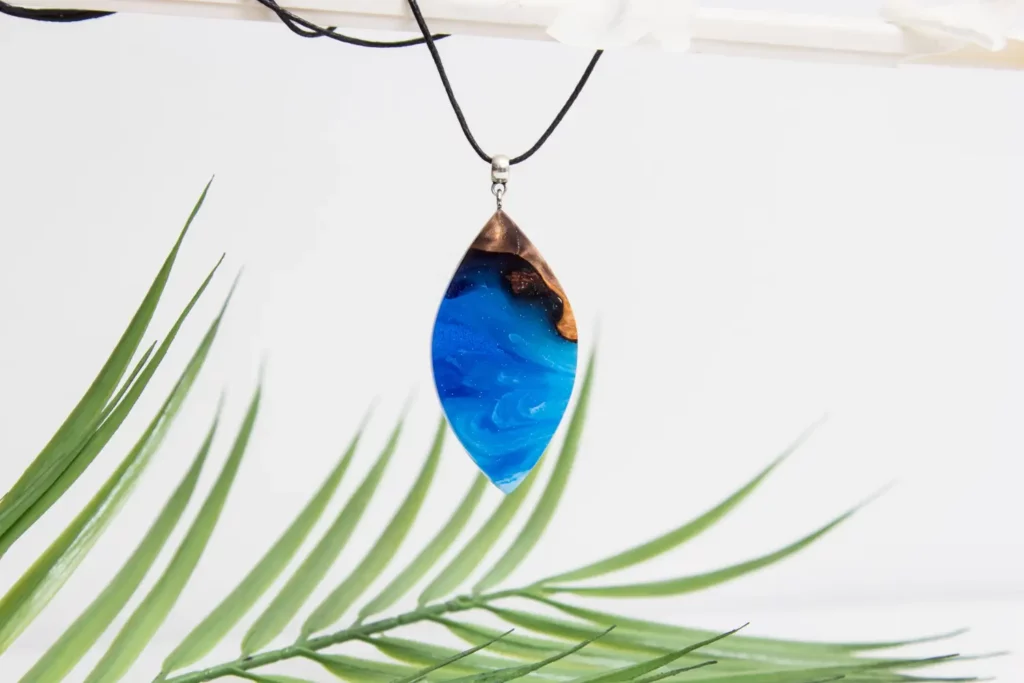
UV resin is perfect for making beautiful jewelry pieces! You can create pendants, earrings, rings, and bracelets with this versatile material. To start, you’ll need UV resin, jewelry findings, decorative elements like dried flowers or glitter, and a UV lamp.
Pour a small amount of resin into your jewelry bezels or molds. Add your decorative elements carefully with tweezers. Don’t overfill your bezels – a dome shape works best for most pieces.
Once you’re happy with your design, expose it to UV light. Most jewelry pieces cure in 2-5 minutes depending on thickness. For best results, cure in layers if you’re making thicker pieces.
After curing, your jewelry is ready to wear! No long waiting times like with traditional epoxy resins. This makes UV resin perfect for jewelry-making workshops or quick gift creation.
Using Silicone Molds for Resin Casting
Silicone molds are your best friends when working with UV resin! They’re flexible, durable, and come in countless shapes and designs. Unlike rigid molds, silicone allows you to easily pop out your cured resin pieces without damage.
To use silicone molds with UV resin, first make sure they’re clean and dry. Apply a thin layer of mold release if needed, though many silicone molds don’t require it.
Pour your UV resin slowly to avoid air bubbles. If bubbles appear, pop them with a toothpick or gently breathe on the surface. For transparent molds, you can cure directly in the mold with your UV lamp.
For opaque molds, you’ll need to cure in layers or remove the piece to fully cure all sides. Small trinkets, figurines, and decorative items work wonderfully with this method. Try adding color pigments to create vibrant custom pieces!
Choosing the Right Equipment
To get the best results with UV resin, you need the right tools for proper curing. The type of lamp and its size will directly impact how well your projects turn out.
Selecting the Best UV LED Lamp
When shopping for a UV lamp, check what wavelength your resin requires. Most UV resins cure at 365-405 nanometers. UV LED lamps are the most popular choice for hobbyists because they’re energy-efficient and last longer than traditional UV bulbs.
Look for a lamp with adjustable power settings. This gives you control over the curing process for different project sizes. Some resins might need lower intensity at first to prevent bubbling or cracking.
Remember to never look directly at UV light while it’s on! These lights can damage your eyes, just like staring at the sun. Many lamps come with built-in timers, which is helpful for consistent results.
Effective Sizes of UV Light for Curing
The size of your UV lamp should match your typical projects. For small jewelry or craft items, a compact 60cm (2ft) lamp works perfectly. These smaller lamps are affordable and don’t take up much space.
For larger projects like river tables or art pieces, consider a 120cm (4ft) or 150cm (5ft) UV light setup. These larger lamps provide more even coverage, reducing the risk of under-cured spots.
Some crafters build DIY curing stations with reflective surfaces inside to maximize light efficiency. This helps the UV rays bounce around and reach all parts of your project.
Temperature matters too! UV resin doesn’t cure well in cold environments, so indoor setups with consistent temperature work best.
Optimizing the Curing Process
Getting the best results with UV resin requires careful attention to your curing process. The right approach can prevent common problems and ensure your projects turn out perfect every time.
Determining Optimal Curing Time
UV resin curing times vary based on several factors. Most small pieces cure in 2-5 minutes under a dedicated UV lamp, but larger or thicker items may need 10-30 minutes or more.
The specific wavelength matters too! For best results, use a true 365nm UV light source, as this wavelength triggers the curing process most effectively. If you’re using sunlight instead of a lamp, expect longer curing times—sometimes 30 minutes to several hours depending on weather conditions and sun intensity.
Layer thickness plays a huge role in curing success. Try to:
- Keep layers thin (1-3mm maximum)
- Cure completely between layers
- Rotate your piece during curing for even exposure
Troubleshooting Common Curing Issues
Sticky surfaces after curing usually mean your resin needs more time under the UV light. Don’t rush the process! If the surface remains tacky even after extended curing, try wiping it with a small amount of isopropyl alcohol.
Yellowing can happen when resin is over-cured. To prevent this:
- Follow manufacturer’s recommended curing times
- Don’t leave pieces under UV light longer than necessary
- Consider using a resin formulated to resist yellowing
Bubbles often form during pouring rather than curing. To minimize them, warm your resin slightly before use and pour slowly. If bubbles appear, a quick pass with a heat gun or lighter before curing can help them rise to the surface and pop.
Uneven curing happens when light can’t reach all areas. Building a simple reflective curing box with aluminum foil can help light bounce around your piece for more consistent results.