If you are an avid resin crafter, you know how frustrating it can be to have a warped resin mold. Warping can occur due to various reasons such as improper storage, exposure to high temperatures, or even overuse. Whatever the reason may be, it can be disheartening to see your hard work go to waste. But don’t worry, there are ways to fix a warped resin mold and get back to creating beautiful resin pieces.
One effective way to fix a warped resin mold is by using a heat gun. The heat gun helps to reshape the mold by softening the resin and allowing it to be molded back into shape. However, it’s important to be cautious when using a heat gun, as too much heat can damage the mold or cause the resin to melt. Another method is to use hot water to reshape the mold. By immersing the mold in hot water, the resin softens and can be gently reshaped back into its original form.
Prevention is always better than cure, and the same applies to resin molds. To prevent your molds from warping, make sure to store them properly in a cool and dry place. Avoid exposing them to direct sunlight or high temperatures, and don’t overuse them. By taking proper care of your resin molds, you can ensure that they last longer and produce beautiful resin pieces every time.
Identifying the Problem
Visual Inspection
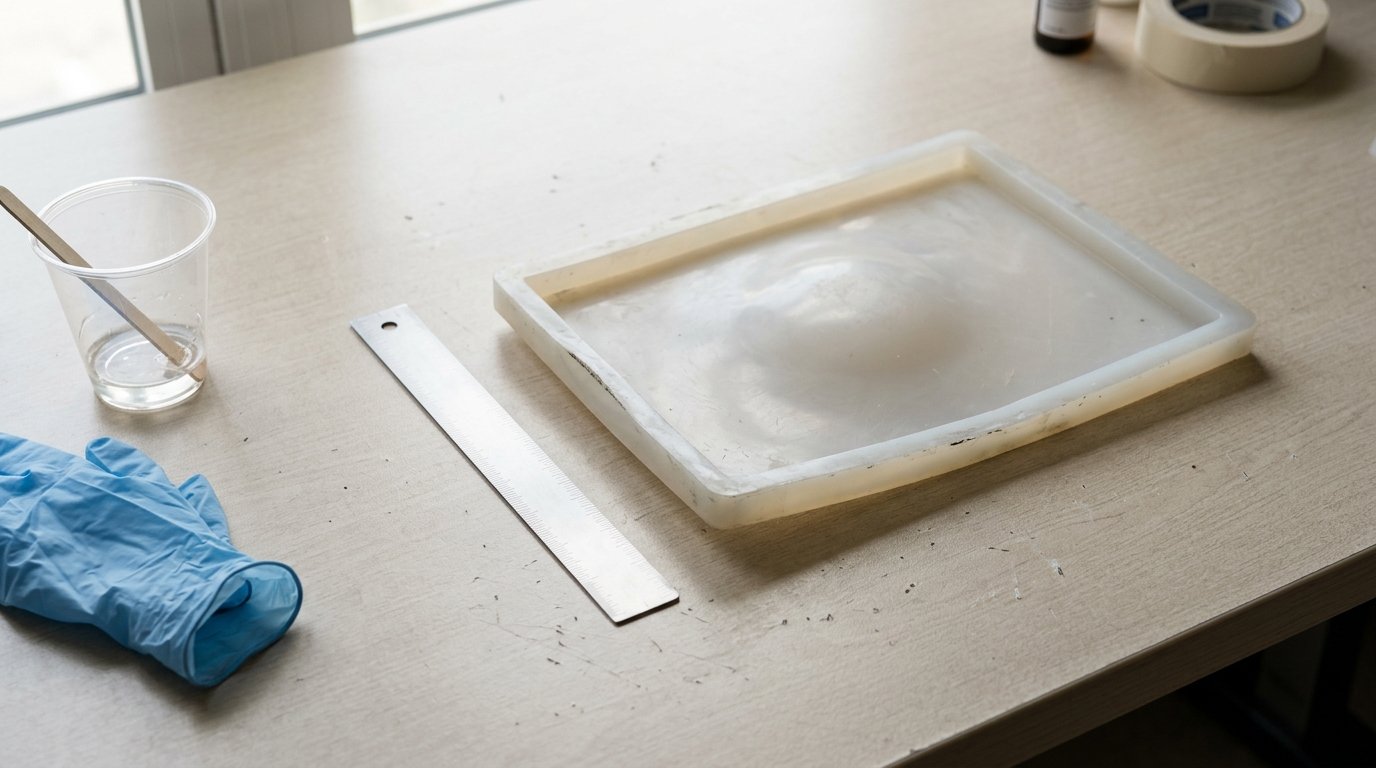
When you notice that your resin mold is not coming out as expected, the first step is to visually inspect it. Look for any visible signs of warping, such as uneven surfaces, bulges, or deformities. If you notice any of these issues, your mold is likely warped.
It is important to inspect your mold from all angles, as warping can occur on any surface. If you are unsure whether your mold is warped, try placing a level on the surface to see if it is flat. If the level indicates that the surface is not level, then your mold is likely warped.
Physical Inspection
In addition to visual inspection, you can also perform a physical inspection of your mold. Run your fingers over the surface of the mold and feel for any bumps or irregularities. If you notice any, this could indicate that the mold is warped.
You can also try placing the mold on a flat surface and pressing down on it to see if it rocks or wobbles. If it does, this is another sign that the mold is warped.
Another way to check for warping is to pour a small amount of resin into the mold and observe how it sets. If the resin sets unevenly or forms bubbles in certain areas, this could indicate that the mold is warped.
Fixing a Warped Resin Mold
If you have a warped resin mold, don’t worry! There are several ways to fix it. In this section, we will discuss three effective methods for fixing a warped resin mold: heating and applying pressure, using a flat surface, and the freezing technique.
Heating and Applying Pressure
One way to fix a warped resin mold is by using heat and pressure. Here are the steps:
- Use a heat gun to heat up the warped area of the mold.
- While the area is still hot, apply pressure to the mold using a flat object such as a piece of wood or a book.
- Hold the pressure until the mold cools down and hardens again.
Using a Flat Surface
Another method for fixing a warped resin mold is to use a flat surface. Here’s how:
- Place the warped resin mold on a flat surface such as a table or countertop.
- Apply pressure to the mold using a flat object such as a piece of wood or a book.
- Hold the pressure until the mold cools down and hardens again.
Freezing Technique
The freezing technique is another effective way to fix a warped resin mold. Here are the steps:
- Place the warped resin mold in a plastic bag and seal it tightly.
- Put the bag in the freezer for a few hours.
- Take the mold out of the freezer and remove it from the plastic bag.
- Place the mold on a flat surface and apply pressure to it using a flat object such as a piece of wood or a book.
- Hold the pressure until the mold cools down and hardens again.
Remember, prevention is key! To prevent your resin molds from becoming warped in the first place, make sure to follow the manufacturer’s instructions carefully, use a level surface when pouring the resin, and avoid exposing the mold to extreme temperatures.
Preventing Warping in the Future
If you want to prevent your resin molds from warping in the future, there are a few things you can do to ensure your molds come out perfectly every time. Here are some tips:
Proper Material Selection
Choosing the right resin for your project is essential for preventing warping. Make sure to select a resin that is suitable for the environment and temperature conditions of your workspace. Some resins are more prone to warping than others, so it’s important to do your research and choose a high-quality resin that is designed to resist warping.
Proper Curing Techniques
Proper curing techniques are also essential for preventing warping in your resin molds. Make sure to follow the manufacturer’s instructions carefully when it comes to curing time and temperature. Over-curing or under-curing can both lead to warping, so it’s important to get it right. Consider investing in a curing box or UV light to ensure your molds cure evenly and thoroughly.
Storage and Handling Tips
Finally, proper storage and handling can also help prevent warping in your resin molds. Store your molds in a cool, dry place away from direct sunlight and heat sources. Avoid bending or twisting your molds, and handle them with care to prevent any damage that could lead to warping. Consider using a mold release agent to make it easier to remove your molds from their containers without damaging them.
When to Replace a Warped Mold
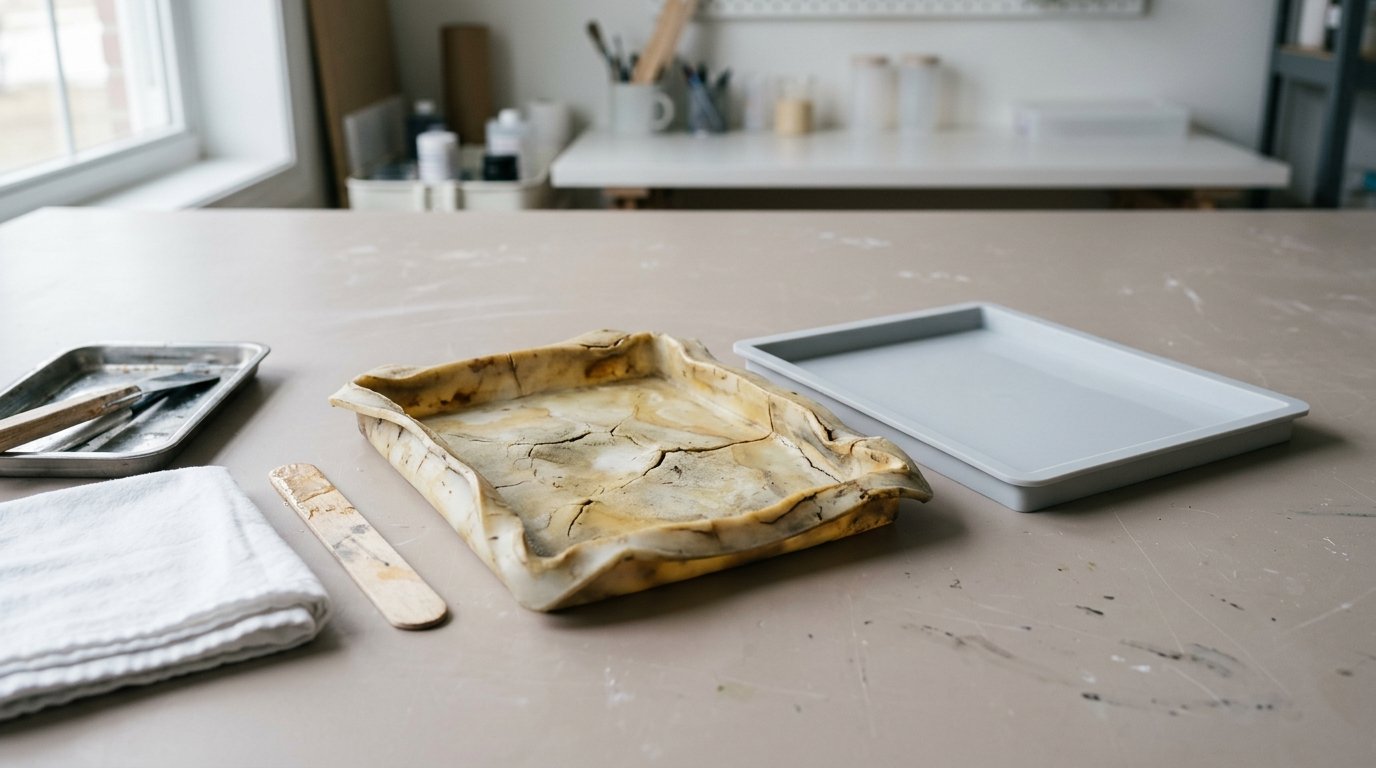
If your resin mold has become warped, there are several methods to try and fix it, as we have discussed in earlier sections. However, there may come a point where it is no longer possible to fix the mold, and it is time to replace it. Here are some signs that it may be time to replace your mold:
- The mold is severely warped and cannot be reshaped using any of the methods we have discussed.
- The mold has cracks or other damage that cannot be repaired.
- The mold has been used many times and is starting to show signs of wear and tear, such as scratches or discoloration.
- You have tried multiple times to fix the mold, but it continues to produce imperfect casts.
If your mold is showing any of these signs, it may be time to invest in a new one. While it can be frustrating to have to replace a mold, it is important to remember that a high-quality mold is essential for producing high-quality resin casts. A warped or damaged mold can lead to imperfect casts that may not meet your expectations.
When shopping for a new mold, be sure to choose one that is made from high-quality silicone or other materials that are designed to withstand repeated use. Look for molds that are specifically designed for the type of project you are working on, whether it is jewelry, home decor, or something else. With a little research, you can find a mold that will help you create beautiful and professional-looking resin casts every time.
Conclusion
Fixing warped resin molds may seem daunting, but with the right tools and methods, it can be a manageable task. By using heat, pressure, or a combination of both, you can reshape your molds and prevent future warping.
Remember to always take proper precautions when working with heat tools and to never overheat your resin. It’s also important to use high-quality molds and to properly store them to prevent warping.
If you’re still having trouble fixing your warped resin mold, don’t hesitate to reach out to a professional for help. With a little patience and persistence, you can get your molds back in shape and continue creating beautiful resin pieces.