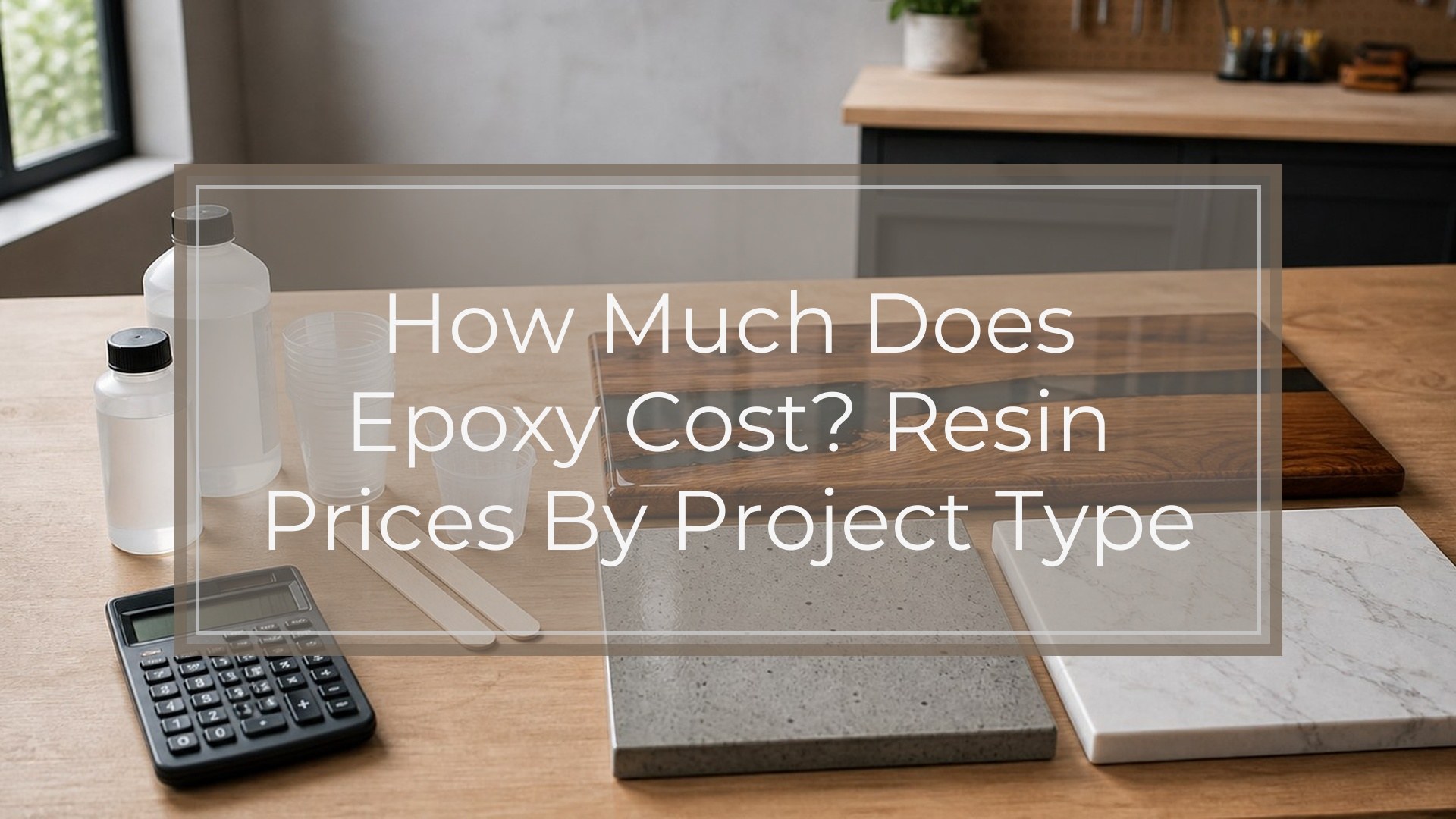
Epoxy resin usually costs $20 to $80 for small craft kits, $50 to $150 per gallon, and $100 to $300+ for larger deep-pour or specialty systems. For a finished project, the resin is only part of the budget. You may also need molds, pigments, cups, gloves, a torch or heat gun, sandpaper, sealers, and safety gear.
For small beginner projects like coasters, jewelry, bookmarks, and trays, expect to spend $40 to $100 to get started. A tabletop, river board, or thick casting project can easily cost $150 to $500+, depending on size and pour depth. The best way to estimate epoxy cost is to calculate your project volume first, then add the supplies needed to pour, color, finish, and protect the piece.
How Epoxy Pricing Works
Epoxy is usually sold as a two-part system: resin and hardener. The advertised size may refer to the combined total, such as a “1-gallon kit,” or it may include separate bottles that mix together to equal that amount. Always check whether the listing means total mixed volume.
Cost also depends on the epoxy type. Craft resin, coating resin, tabletop epoxy, casting resin, and deep-pour resin are formulated differently. A thin coating resin may be cheaper per ounce than a deep-pour resin designed to release bubbles slowly and cure in thicker layers.
The mental model is simple: epoxy cost = resin volume + product type + project supplies + waste allowance. Beginners should also budget for practice pours, mistakes, and leftover resin that cures in the cup.
Average Epoxy Resin Cost Ranges
For general crafting, small epoxy kits often cost $20 to $40 for 8 to 16 ounces. These are convenient for beginners because they usually include easy instructions and manageable bottle sizes.
Mid-size kits, such as 32 ounces to half a gallon, commonly cost $35 to $90. These are useful for trays, small art panels, coasters, and multiple test projects.
A full gallon of epoxy generally costs $50 to $150, depending on quality and type. Basic coating epoxy is often at the lower end, while UV-resistant, food-safe, low-VOC, or art-focused formulas cost more.
Specialty deep-pour epoxy may run $100 to $250+ per gallon kit, especially if it is designed for thick castings, river tables, large molds, or very clear pours.
What Affects the Cost of Epoxy?
The biggest cost factor is how much resin your project needs. A thin glossy coating uses far less epoxy than a thick casting or river table. Pour depth matters because doubling the depth doubles the volume.
The second factor is the formula. Coating epoxy, art resin, casting resin, UV-resistant resin, marine epoxy, and deep-pour resin all have different prices because they solve different problems.
Brand reputation also affects price. Higher-end resins may offer better clarity, fewer bubbles, longer working time, improved UV resistance, or more predictable curing.
Shipping can matter because epoxy is heavy. A gallon kit may look affordable until delivery costs are added.
Finally, your skill level affects your real cost. Beginners often use more resin than planned, mix extra “just in case,” or lose material to leaks, bubbles, sticky spots, and test pours. A 10% to 20% waste allowance is realistic.
Typical Epoxy Cost by Project Type
Project costs vary widely, but these ranges help you plan before buying supplies.
| Project type | Typical resin needed | Approximate epoxy cost | Notes |
|---|---|---|---|
| — | —: | —: | — |
| Jewelry or small charms | 2 to 8 oz | $10 to $30 | Molds and pigments may cost more than the resin |
| Coasters, bookmarks, small crafts | 8 to 16 oz | $20 to $45 | Good beginner project size |
| Serving tray or art panel | 16 to 32 oz | $30 to $80 | Cost rises with surface area and layers |
| Tabletop coating | 1/2 to 1 gallon | $40 to $150 | Usually a thin flood coat |
| Small river board | 1 to 2 gallons | $100 to $300 | Depends heavily on void size |
| Large river table or deep casting | 3+ gallons | $300 to $1,000+ | Deep-pour resin and wood prep add cost |
Small crafts are affordable because they use little resin, but they still require basic supplies. Large projects become expensive quickly because every extra fraction of an inch in depth adds volume.
How to Estimate How Much Epoxy You Need
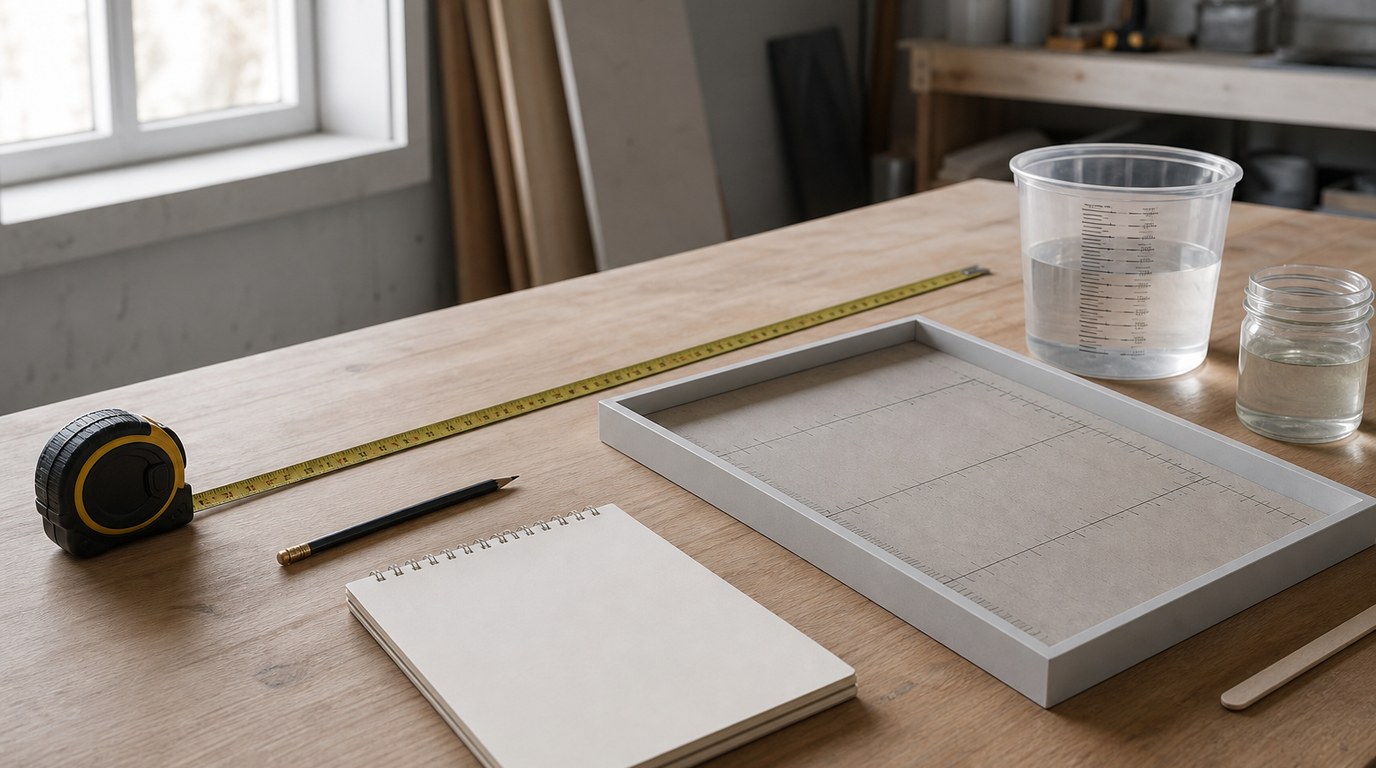
To estimate epoxy cost, first calculate the area or volume you need to fill.
For a flat coating, multiply:
Length × width × desired thickness
Use inches for all measurements. Then convert cubic inches to fluid ounces:
Cubic inches × 0.554 = fluid ounces
For example, a 12-inch by 12-inch panel with a 1/8-inch coating is:
12 × 12 × 0.125 = 18 cubic inches
18 × 0.554 = about 10 fluid ounces
Then add extra resin for drips, uneven surfaces, mixing loss, and touch-ups. For most small projects, add 10% to 20%.
For molds, many makers use water or dry rice to estimate volume. Fill the mold, measure how much it held, then use that number as your resin estimate. Make sure the mold is dry before pouring resin.
For irregular river tables or wood voids, volume is harder to estimate. Measure the average length, width, and depth of the gap, then add extra for cracks, knots, and absorption.
Supplies That Add to the Total Project Cost
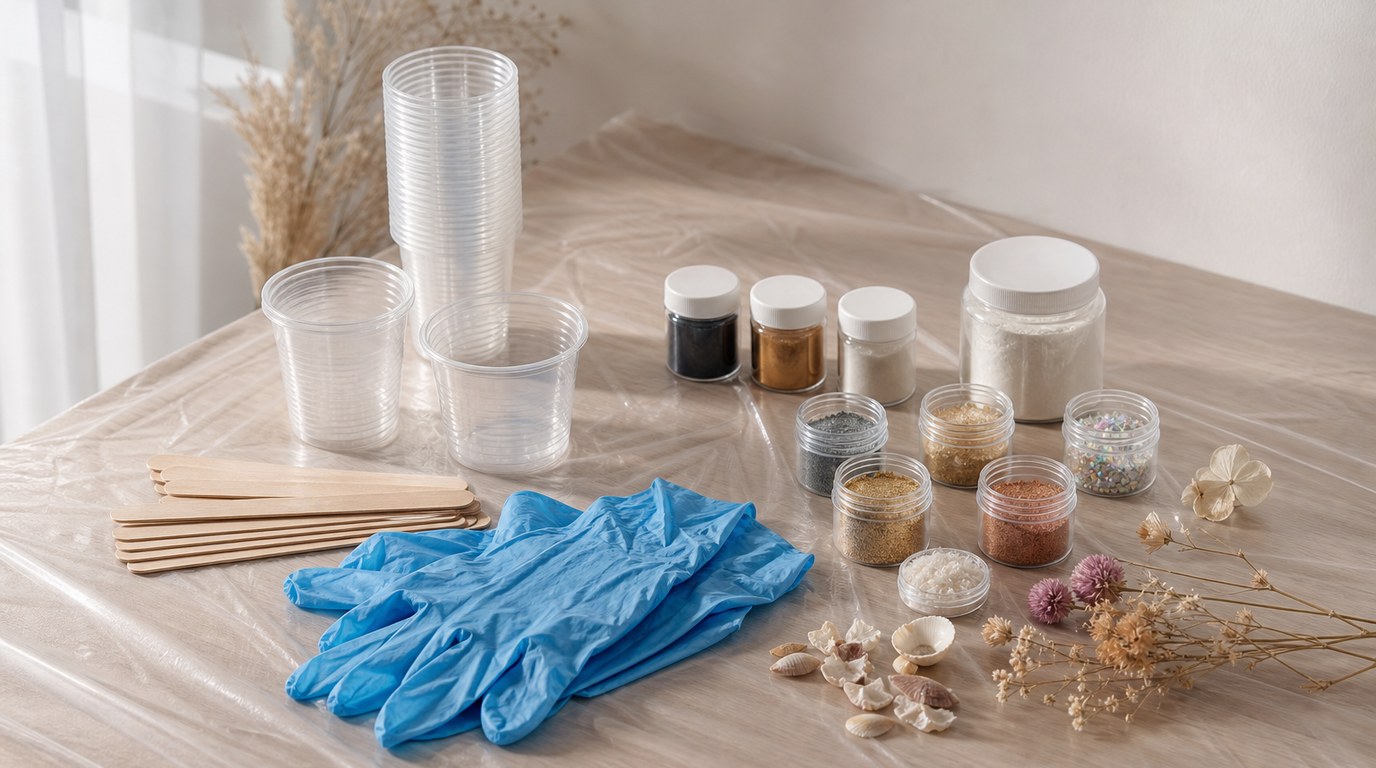
Epoxy projects usually cost more than the resin kit. At minimum, you need mixing cups, stir sticks, gloves, and a protected work surface. These can add $10 to $30.
Colorants also affect budget. Alcohol inks, mica powders, resin pigments, glitter, dried flowers, shells, and metallic flakes can add $5 to $50+, depending on how many effects you want.
Molds are another major cost. Small silicone molds may cost $5 to $20, while large tray or casting molds can cost much more. For woodworking projects, you may need mold-making materials, tape, clamps, sealant, and release spray.
Finishing supplies may include sandpaper, polishing compound, a respirator, a heat gun or torch, and topcoat products. If you plan more than one project, reusable tools help lower the cost per piece.
Beginner Budget Examples
A simple starter setup for coasters might include a small resin kit, silicone coaster mold, mica powder, gloves, cups, and stir sticks. A realistic budget is $40 to $75.
For jewelry, the resin amount is smaller, but bezels, molds, colorants, findings, and small tools add up. Plan on $35 to $80 for a beginner jewelry setup.
For a first tray or wall art project, expect $60 to $120, especially if you want multiple colors or a quality mold.
For a small tabletop coating, the resin may cost $50 to $150, but sanding supplies, tape, drop cloths, and safety gear can push the total higher. If it is your first large pour, practice on a small board before coating furniture.
Ways to Save Money on Epoxy Projects
Buy the right resin for the project instead of the cheapest or most expensive option. Deep-pour resin is not necessary for thin coatings, and tabletop epoxy may not work well for thick molds.
Measure carefully before mixing. Overmixing extra resin is one of the fastest ways to waste money.
Start with small projects while learning. Coasters, keychains, bookmarks, and test tiles teach mixing, coloring, and bubble control without risking a large batch.
Use a limited color palette at first. A few versatile mica powders or pigments are cheaper than buying every effect.
Finally, plan several small pours at once. If you have leftover resin, pour it into small molds instead of letting it cure in the cup.
FAQ
Is Epoxy Expensive for Beginners?
Epoxy can feel expensive at first because you need supplies beyond the resin, including gloves, cups, molds, pigments, and safety items. For small craft projects, a beginner can often start with $40 to $100. Larger projects cost more because resin volume increases quickly.
How Much Does One Gallon of Epoxy Cover?
One gallon equals 128 fluid ounces. As a thin coating, it can cover roughly 25 square feet at about 1/16 inch thick or around 12 square feet at 1/8 inch thick. Coverage changes with surface texture, drips, sealed edges, and how much resin is lost during mixing.
Why Do Epoxy Resin Prices Vary so Much?
Prices vary because epoxy formulas are designed for different jobs. Deep-pour resin, UV-resistant art resin, tabletop epoxy, casting resin, and marine epoxy each have different curing times, clarity, hardness, bubble release, and durability. Brand quality, kit size, shipping weight, and included features also affect price.
Can I Use Cheaper Epoxy for Craft Projects?
Yes, cheaper epoxy can work for practice projects, small molds, and basic crafts if it matches the pour depth and cure requirements. Avoid using the wrong type just to save money. A poor cure, yellowing, bubbles, or sticky finish can waste more than you saved.