
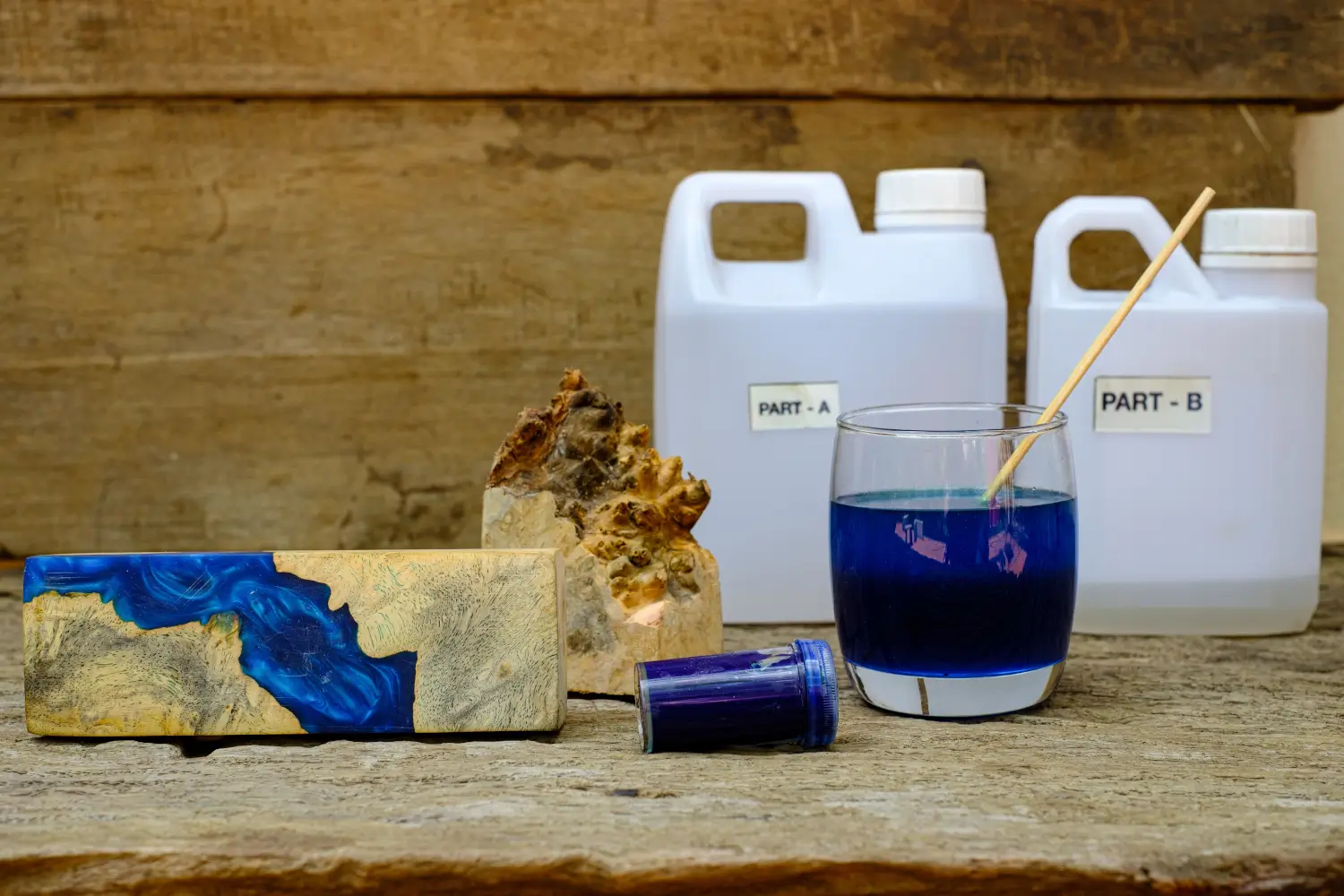
If you’ve ever looked into starting a resin project, you probably asked yourself how much resin actually costs. Most resin for crafts and art costs between $30 and $80 per gallon, but premium options can run even higher depending on quality. Some resins for special uses or brands could be priced differently, but this is the general range you’ll find.
Knowing the cost up front helps you decide if this hobby is right for your budget. Whether you’re doing a small project, like making jewelry, or tackling something bigger, like a tabletop, understanding resin prices is the first step. Keep reading to learn more about the details that can change how much you’ll spend.
What Is Resin And Why Does Cost Vary?
Resin is used in many products and industries, from art and crafts to making big things like boats and car parts. Its cost can change a lot depending on what type you need, what you use it for, and what affects the market.
Types of Resin
There are several main types of resin you might come across. Epoxy resin is popular for art, coating, and strong adhesives. Polyester resin is often used for fiberglass products like car bodies and boat hulls. Polyurethane resin is good for casting and making flexible parts.
Acrylic resin appears in paints and plastics. Nylon and polypropylene resins are used for 3D printing and durable household goods. Specialty resins, such as those for carbon fiber or medical devices, often cost much more.
Different types provide unique properties, like strength, flexibility, or resistance to chemicals. These differences also affect how much they cost. Simple resins, like some used in crafts, are cheaper. Industrial or advanced resins, like those for carbon fiber, tend to be more expensive.
Common Applications of Resin
You can find resin being used in many places. Fiberglass products, like water slides or boat shells, use polyester resin to stay strong but lightweight. Carbon fiber materials rely on special resins to stick fibers together, allowing the finished product to handle big loads without breaking.
For 3D printing, special plastic resins are melted and layered to build small models or working parts. Artists and jewelers use epoxy resin for making clear, shiny surfaces or filling molds. In construction, resins help join materials or coat surfaces to stop water and wear.
Some industries need resins with extra features—like being safe around food or able to handle heat—which can raise the price. The way a resin is used often matches how much it costs, since specialized needs require special materials.
Factors Affecting Resin Cost
The cost of resin changes for a few big reasons. The type of resin is the biggest factor. Basic resins cost less, while advanced or specialty resins cost more. Supply and demand also matter—a low supply or high demand will usually push prices up.
Raw material prices, like natural gas or oil, play a big part in resin cost. When these go up, making resin costs more. Production costs, like energy and labor, also add to the price.
Buying in bulk makes resin cheaper per unit, but small packs for hobbies or 3D printing cost more per gram. Where you live and how far the resin has to travel can also change the price because of shipping costs and taxes.
Epoxy Resin: Cost Breakdown
Epoxy resin costs depend on its use, quality, and the quantity you buy. You’ll pay different prices if you use resin for crafts, large projects, or repairs.
Epoxy Resins for Crafts and Art
If you enjoy art projects, jewelry, or small crafts, you’ll usually need just a gallon or less of epoxy resin. Prices for craft-quality epoxy range from $50 to $150 per gallon. Some kits come in smaller amounts or include both the resin and hardener for easier mixing.
Clear casting resins are popular with artists because they dry hard and shiny. Most kits require a 1:1 mixing ratio of resin to hardener, so pay attention when you buy. This ensures your finished item cures correctly and stays durable over time.
When buying, look for low-odor and non-toxic formulas, especially for indoor use. You can sometimes find starter kits with extras like pigments and measuring cups for a little more money. Lower-cost products can save money, but they might not have the same hardness or clarity as more expensive types.
Industrial and Marine Epoxy Pricing
Industrial and marine epoxies are made to stand up to tough conditions. They are used for coating floors, sealing boats, or big woodworking jobs. These products are usually sold in bulk sizes, and prices vary depending on strength, chemical resistance, and the size of the kit.
Table of Common Bulk Epoxy Prices:
| Size | Price Range |
|---|---|
| 1 gallon | $100–$150 |
| 3 gallons | $158–$165 |
| Larger | $200+ |
These epoxies often use a 2:1 or 5:1 mixing ratio and may include separate primers to improve bonding. The higher price is because they offer better hardness and can handle heavy use or exposure to water. You might spend more upfront, but you get strength and long-lasting results.
Epoxy Usage in Repairs
For repairs, epoxy resins act as tough adhesives for wood, metal, concrete, or fiberglass. Kits designed for repairs often include small tubes or syringes for easy handling and accurate mixing. A little goes a long way for fixing cracks, sealing leaks, or patching surfaces.
Prices for repair epoxies start around $5 for small tubes and go up to $40 or more for larger repair kits. The mixing ratio can differ, but most repair kits make it simple by including pre-measured amounts. Primers are not always needed, but using them helps the repair stick better.
Hardness and fast curing are important if you’re repairing something that needs to handle stress, such as a boat hull or garage floor. High-quality repair epoxies cost more but offer strong long-term fixes, which can save you money over time.
Polyester Resin Pricing
Polyester resins are used in many fiberglass projects and come in different forms, each designed for a specific use. Knowing the price range helps you budget for your next project, whether you need general resin, gelcoat, or want to explore alternatives.
Polyester Resins for Fiberglass
Polyester resin is one of the most affordable options for fiberglass work. It’s often chosen because it cures quickly, is easy to use, and bonds well with fiberglass fabric.
You can expect to pay around $200 to $270 for a 5-gallon pail, with this price sometimes including a hardener like MEKP. A hazmat shipping fee of around $37 to $48 may also apply due to the resin’s chemical makeup.
Smaller amounts, like 1-gallon containers, are priced lower, often ranging from $35 to $50. This makes polyester resin a cost-effective choice for boat repairs, car parts, or crafts. Always budget for extra costs, including shipping and safety supplies.
Polyester Gelcoats and Tooling Gelcoat
Polyester gelcoats are made for use as the outer layer in molds, giving a smooth and glossy finish. They are slightly more expensive than standard polyester resins. A 5-gallon pail may cost $220 to $280, especially if it’s a premium or specialty gelcoat.
Tooling gelcoats are designed for making durable molds that stand up to repeated use. These usually contain added strength and are engineered for mold longevity. Prices for tooling gelcoat can be higher than regular gelcoats, with small increases depending on formulation.
You should also factor in the required hardener and any special tools used for application. Hazmat fees apply here too. Quality differences and color options (white, clear, etc.) may affect the final price for gelcoats.
Vinyl Ester and Alternatives
Vinyl ester resin is another popular choice. It’s used when better chemical resistance and flex are needed, like in chemical tanks or performance boats.
Vinyl ester can cost more, usually $250 to $320 for a 5-gallon pail, depending on the brand and quality. Like polyester resin, vinyl ester also uses MEKP hardener. Some adhesives and surface coats may contain either polyester or vinyl ester resin, with prices set by the type and intended use.
Other alternatives, such as epoxy resin, are available but tend to be more costly and are not covered in detail here. Always compare prices, performance, and safety details before choosing the right resin for your project.
3D Printing Resins: Cost Factors
You’ll notice that the price of 3D printing materials depends on the type of printer and the specific material you pick. Choosing between SLA resins and alternatives like FDM filament can make a big difference, especially if you’re working on prototypes or special projects.
SLA Resins
SLA (Stereolithography) 3D printers use liquid resin to build parts. The cost of these resins can range from $45 to $250 per liter. Standard resins are more affordable, while specialized choices like engineering, dental, or castable resin cost more.
You may also find discounts when buying in bulk, but higher-quality resins almost always raise your material costs. Besides the price of resin, keep in mind that SLA printing also needs extra materials, like alcohol for cleaning prints and gloves for safety.
Resins have a shelf life, so it’s smart to check expiration dates when you order. Most people find SLA resin most useful for prints that need high detail or a smooth finish.
FDM Filaments and Resin Alternatives
If you use FDM printers, you’ll work with filament instead of resin. Common types include PLA, ABS, and PETG. A 1-kilogram spool of PLA or ABS runs between $20 to $50, which is usually cheaper than SLA resin the same volume.
FDM filaments come in many colors and performance types. Some specialty filaments, like carbon-fiber PLA or flexible TPU, cost more than standard PLA. These materials store and ship more easily than resin, and they last longer if kept dry.
Resin alternatives are a good choice for larger objects or when you need stronger, less brittle prints.
Resin Cost for Prototyping
When making prototypes, the material you choose affects both quality and cost. SLA resin is great for detailed, precise models—important for things like product samples or miniatures. But using it for large-volume parts quickly gets expensive.
If most of your prototyping work focuses on function over looks, PLA or ABS filament for FDM 3D printers will save you money. Resin is ideal when you need new designs tested for fit and finish or when showing clients a polished model.
You should also factor in waste, as failed prints with resin can raise your total cost. The number of prototypes, size, and complexity of your design all play a role in picking the best, most cost-effective material.
Additives, Modifiers, and Their Impact on Cost
The cost of resin can change a lot based on what you add to it. Things like colored pigments, fillers, coatings, and adhesives not only change how your project looks or works, but also how much you pay.
Colored Pigments and Fillers
Adding colored pigments to resin is common if you want a custom look. Some pigments are basic and low-cost, while specialty or metallic pigments are more expensive.
Using fillers, such as mica, calcium carbonate, or glass beads, can lower costs by replacing some of the resin. Fillers can also change the weight, strength, and texture of your finished piece.
Here’s a quick table comparing common additives:
| Additive Type | Example | Typical Cost Impact |
|---|---|---|
| Basic Pigments | Pastes, liquid | Low |
| Metallic Pigments | Mica, glitter | Medium to high |
| Fillers | Glass beads | Lowers average cost |
Keep in mind that using a lot of pigments or fillers may affect how well the resin cures.
Paints and Primers
Applying paint or primer is often needed for projects that require a specific finish or long-lasting color.
Primers help paint stick to the resin surface and can prevent chipping. Some primers made for plastics or resins cost more than basic options, but they help the paint job last longer.
Paint type also affects your budget. Spray paints are easy to use and give smooth coverage but might get expensive if you need several coats. Specialty paints, such as those made for automotive or marine use, usually cost more than craft paints.
Adding both primer and high-quality paint will raise your total cost, but the finish will look better and last longer.
Adhesives and Post-Processing Needs
Finishing your resin project may require adhesives, especially if you need to join multiple pieces. Certain adhesives are designed for plastics and resins, offering better hold and less risk of damage. These specialty products tend to cost more than basic glues.
You may also need sandpaper, polishing compounds, or sealants during post-processing. These extra steps add both time and cost. Using the right adhesive and post-processing materials ensures your finished product is strong, smooth, and professional looking.
Having the right supplies on hand helps you avoid mistakes or rework, which could end up costing more in the long run.
Comparing Resin Costs by Application
Resin pricing changes a lot depending on how you plan to use it. The type of resin, its properties, and how much you need can all affect the final cost.
Automotive Parts
When you look for resin for automotive parts, strength and durability matter most. You might use materials like ABS plastic resin or high-performance epoxy. These are designed to handle heat, vibration, and pressure inside a car.
Epoxy resin for automotive work usually costs between $20 and $40 for a 16oz kit. Bulk purchases for large parts or factory use can make this cheaper per ounce, but the price goes up if you need special features like high hardness or impact resistance.
You’ll also need to think about things like tooling gelcoat for making molds. Gelcoats add cost, but they protect your molds and help your parts last longer.
Repairs and Maintenance
For repairs, ease of use and quick curing are important. Most people choose simple epoxy repair kits or UV cure resins. The price for these runs from $10 to $30 for small tubes and up to $50 for larger repair packs.
Many resin repair kits include everything you need: resin, hardener, applicator, and sometimes sandpaper. Costs rise if you buy higher-hardness or waterproof products, but you won’t usually use much resin at once.
If you need extra durability, you might pay more for formulas designed for heavy-duty or outdoor repairs. Always check if the product matches the conditions your repair has to handle.
Tooling and Industrial Uses
Industrial tooling uses resins with very high hardness, chemical resistance, and durability. These can include tooling gelcoat, polyurethane, or commercial epoxy resins. Prices start at around $100 per gallon and often go much higher, especially for specialized products.
Large jobs may need bulk purchases, sometimes by the 5-gallon bucket or more. Buying in quantity can lower the price per gallon, but the up-front cost is high.
Tooling resin also needs to be easy to work with, especially if molds or forms are complex. Some options may cost more if they make processes quicker or reduce errors that would cost you time and money.
Choosing The Right Resin for Your Budget
Finding the right resin depends on more than just price per liter. You need to think about how long it lasts, how easy it is to work with, and how strong your finished projects will be.
Shelf Life and Storage Considerations
Resin has a limited shelf life. Most standard resins last between 6 months to 1 year if you store them in a cool, dry place and tightly sealed containers. If you don’t use resin often, buying in bulk to save money might not be a good idea, because it can expire before you finish it.
Some resins are more sensitive to temperature changes. If exposed to high heat or freezing conditions, resin can harden or separate, which may ruin it.
Always check the label for storage information and expiration dates. Spending a few dollars more on resin with a longer shelf life might help reduce waste.
Mixing Ratio and Ease of Use
Different resins need different mixing ratios. Most epoxy resins use a 1:1 or 2:1 ratio of resin to hardener. Simple mixing ratios are more user friendly and reduce mistakes, which saves money.
Some resins are more viscous and may be harder to mix or pour. Thicker resins can trap air bubbles. You may need extra tools like a heat gun or vacuum chamber to remove bubbles, which adds to the overall cost.
Look for resins marked as “easy mix” or “beginner friendly” if you’re new to resin projects. These mix easily and often give more consistent results.
Durability and Performance Evaluation
Durability depends on the formulation. Basic resins may be fine for crafts or display items, but if you need strength, go for specialty options like ABS-like, flexible, or kevlar-reinforced resins.
Standard resins may scratch or chip easily. Higher-cost resins are often more impact-resistant and suitable for items that need to handle wear, like tool parts or protective cases.
Check the manufacturer’s specs for key properties like tensile strength, hardness, and UV resistance. Durability is important if you want your project to last longer even though it might cost a bit more upfront.