

Wondering about those colorful silicone kitchen tools in your drawers? You’re not alone! Many home cooks question whether silicone is truly safe for food contact. Food-grade silicone is considered safe for food use by health authorities like the FDA and Health Canada, with no known health hazards associated with it.
Silicone is different from regular plastic. It’s made from silicon (an element found in sand), oxygen, carbon, and hydrogen. This special material can handle both high and low temperatures without breaking down or releasing harmful chemicals into your food. You can use silicone in your oven, microwave, freezer, and even put it in the dishwasher!
While silicone products are generally safe, quality matters. Look for food-grade silicone that’s specifically designed for kitchen use. These products are tested to ensure they don’t release toxins when heated or cooled. Your silicone spatulas, baking mats, and storage containers can be valuable kitchen tools when you choose high-quality options.
Understanding Silicone in Food Applications
Silicone has become a popular material in kitchens around the world. It offers unique properties that make it ideal for food contact applications while being safer than many traditional materials.
Composition and Properties of Silicone
Food-grade silicone is made from silicon, oxygen, carbon, and hydrogen. Unlike plastic, silicone has a different chemical structure that makes it more stable and resistant to heat. This non-toxic, odorless material can withstand temperatures up to 450°F without releasing harmful chemicals.
The elasticity of silicone makes it perfect for flexible baking molds and kitchen tools. You can bend, twist, and fold silicone products without damaging them. This toughness means your silicone items last much longer than plastic alternatives.
Food-grade silicone doesn’t react with food, so your meals stay free from unwanted chemicals. It’s also naturally resistant to bacteria growth, making it easier to keep clean and sanitary for your family.
Silicone Technology Advancements
Silicone technology has improved dramatically in recent years. Newer silicone products feature enhanced durability while maintaining their flexibility and non-stick properties.
Scientists have developed ways to create medical grade silicone that meets even stricter safety standards. Many of these advancements are making their way into kitchen products for better safety.
Modern food-grade silicone now comes in various formulations for specific purposes. You might find silicone spatulas designed to withstand higher temperatures than silicone ice cube trays.
Manufacturers have also improved how silicone feels in your hands. Today’s products have smoother finishes and better grip textures. This makes cooking with silicone tools more comfortable and efficient for your daily meal preparation.

The Safety Profile of Silicone
Silicone offers impressive safety features that make it popular for kitchen use. It brings together temperature resistance and chemical stability that help keep your food safe.
Temperature Resistance and Stability
Silicone handles both hot and cold temperatures amazingly well. You can use food-grade silicone products in the oven up to 450°F (232°C) without worrying about melting or releasing harmful chemicals.
This temperature resistance means your silicone bakeware won’t warp or degrade when you’re making those delicious cookies or roasting vegetables.
Unlike some plastics, silicone won’t break down or leach chemicals into your food when frozen. This makes silicone ice cube trays and freezer containers a safer choice.
One thing to remember is that while silicone is durable, it can still age over time. Regular inspection of your silicone kitchenware helps ensure it remains in good condition.
Chemical Inertness
Your silicone kitchen tools resist chemical reactions that could affect your food. This chemical inertness is a key reason why the FDA has approved food-grade silicone for kitchen products.
Silicone doesn’t react with acidic foods like tomato sauce or lemon juice. You won’t get that metallic taste that sometimes happens with metal cookware.
The non-reactive nature of silicone means it won’t absorb food odors or flavors. Your silicone spatula won’t taste like garlic after making pasta sauce!
Food-grade silicone is also non-porous, which helps prevent bacteria growth. This makes it easier to keep clean and sanitary for your food preparation needs.
Regulatory Aspects of Food Safe Silicone
For silicone products to be safely used with food, they must meet specific regulatory standards. These standards ensure that materials won’t leach harmful chemicals into your food or beverages.
FDA Approval Process
The Food and Drug Administration (FDA) has strict guidelines for food-grade silicone in the United States. To receive FDA approval, silicone must comply with Title 21 of the Code of Federal Regulations, specifically parts 177.2600 for rubber articles.
Manufacturers must submit their silicone formulations for testing to prove they’re non-toxic and safe for food contact. The testing checks if chemicals might transfer to food under normal use conditions.
When shopping, look for “FDA food grade” on silicone product labels. This means the silicone meets FDA regulations for food contact safety. Not all silicone is food-grade, so this certification is important for your family’s safety.
LFGB Certification
The LFGB (Lebensmittel- und Futtermittelgesetzbuch) is often considered more rigorous than FDA standards. This German food safety certification tests for more chemicals and has stricter limits.
LFGB-certified silicone undergoes extensive testing for:
- Heavy metals content
- Chemical migration levels
- Odor transfer
- Color fastness
Products with LFGB certification are safe for your kitchen at temperatures from freezing to over 400°F. This certification is especially common in high-quality European silicone kitchenware.
Many premium silicone products now carry both FDA and LFGB certifications, giving you extra peace of mind about their safety for food preparation.
Differences Between Silicone Grades
Silicone comes in different grades that serve various purposes. Understanding these differences helps you choose the right type of silicone for your needs, especially when it comes to food safety.
Food-Grade vs. Medical-Grade Silicone
Food-grade and medical-grade silicones share important safety features. Both can safely touch the human body without causing harm or irritation.
Medical-grade silicone undergoes stricter testing and purification processes than food-grade silicone. This makes it suitable for medical implants and devices that stay in the body for long periods.
Food-grade silicone is specifically designed for kitchen use. It’s non-toxic and safe for contact with food and beverages.
When shopping for kitchen utensils, look for products that specifically state “food-grade silicone” on the packaging. This ensures they meet safety standards for food contact.
Ordinary vs. Food-Grade Silicone
Food-grade silicone differs from ordinary silicone in several important ways. Food-grade silicone is:
- Non-toxic and odorless
- Highly transparent
- Environmentally friendly
Ordinary silicone may contain chemicals that could leach into food or drinks. Unlike rubber compounds, properly made food-grade silicone won’t release harmful substances.
You can’t tell if silicone is food-safe just by looking at it or testing its flexibility. Don’t believe myths about testing silicone by twisting or pinching it.
The only reliable way to know if silicone is food-grade is to check product certifications and manufacturer information. Look for items specifically labeled as food-safe from reputable companies.
Silicone Products in the Kitchen
Silicone has become increasingly popular in kitchens due to its durability, heat resistance, and non-stick properties. These products offer practical alternatives to traditional metal, glass, and plastic kitchenware.
Silicone Cookware Usage
Silicone kitchenware includes spatulas, spoons, tongs, and larger items like baking sheets and pans. Most food-grade silicone products carry FDA certification, indicating they meet safety standards for food contact.
When shopping for silicone cookware, look for “food grade” or “FDA approved” labels. You can also perform the simple “pinch test” – squeeze and twist the silicone item; if it changes color or shows white marks, it might contain fillers and could be lower quality.
Silicone utensils work well for non-stick cookware as they won’t scratch delicate surfaces. They typically withstand temperatures from -40°F to 450°F, making them versatile for both freezer and oven use.
Clean your silicone cookware with warm soapy water. Most pieces are dishwasher safe, but check manufacturer guidelines to be certain.
Benefits of Silicone Baking Molds
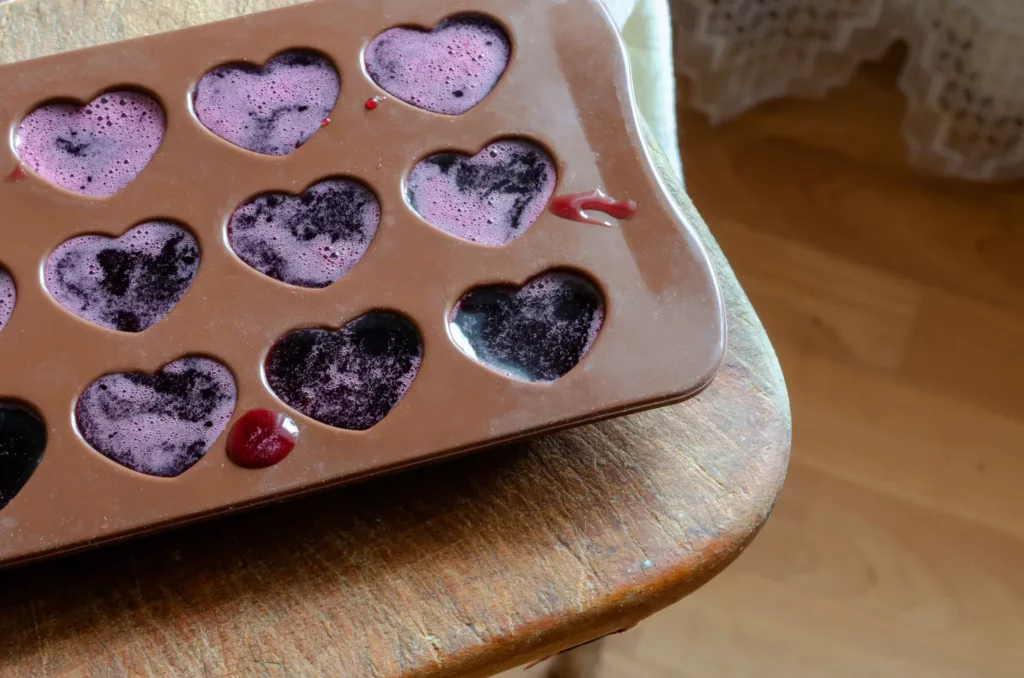
Silicone baking molds offer several advantages over traditional metal or glass options. Their flexibility makes removing baked goods much easier – simply push from the bottom and your muffins, cupcakes, or bread loaves pop out intact!
These molds heat evenly and prevent over-browning of edges. You’ll find them in countless shapes and sizes, from standard cupcake molds to elaborate shapes for special occasions.
No greasing is typically required with silicone molds, though a light coating can help with especially sticky batters. This reduces added fats and makes cleanup simpler.
Silicone bakeware saves storage space since you can fold or stack it without damage. It’s generally more durable than metal pans that may dent or rust over time.
Remember to place silicone molds on a baking sheet before filling for easier handling, as they can be floppy when full.
Silicone’s Role in Food Preparation and Storage
Silicone products have become popular in kitchens due to their versatility and safety. The FDA has approved food-grade silicone for kitchen use, making it a reliable option for cooking and storing food.
Silicone Mats and Food Safety
Silicone baking mats and sheets are excellent alternatives to parchment paper or aluminum foil. They’re non-stick, reusable, and can withstand temperatures from freezing to over 400°F without breaking down or leaching chemicals into your food.
When shopping for silicone mats, look for those labeled as “food-grade” or “LFGB-certified.” These designations mean the products meet strict safety standards for food contact.
You can use silicone mats for baking cookies, roasting vegetables, or as a work surface for rolling dough. They’re easy to clean—simply wash with warm, soapy water or place in the dishwasher.
Unlike traditional non-stick surfaces, silicone mats don’t contain PFOA or PFAS chemicals that have raised health concerns.
Seals and Gaskets in Food Containers
Silicone plays a crucial role in food storage containers as seals and gaskets. These components create airtight barriers that keep food fresh longer and prevent leaks.
The chemical stability of silicone makes it ideal for this purpose. Unlike some plastic alternatives, silicone doesn’t break down easily when exposed to heat, cold, or acidic foods.
Many reusable containers use silicone gaskets to create vacuum seals. This technology helps reduce food waste and eliminates the need for single-use plastic wrap.
You’ll find silicone seals in water bottles, coffee mugs, and food storage systems. They’re durable and can maintain their flexibility and sealing properties for years.
When replacing parts in your containers, choose food-grade silicone parts to maintain the safety of your storage system.
Comparative Analysis: Silicone vs. Plastic
When choosing food storage options, understanding the differences between silicone and plastic can help you make healthier choices for your family and the environment. These materials have significant differences in safety, durability, and environmental impact.
Health and Environmental Concerns
Silicone is generally considered safer than plastic for food contact. Unlike many plastics, food-grade silicone is free from BPA, BPS, phthalates, and other harmful chemicals that can leach into your food. Health Canada and other authorities have stated there are no known health hazards associated with silicone food contact materials.
When plastic breaks down, it releases microplastics that can end up in our oceans and even our bodies. Silicone, however, doesn’t break down in the same way, making it more ocean-friendly.
Silicone is made primarily from silica (sand), which is more abundant than the petroleum used to make plastic. While neither material is perfectly biodegradable, silicone’s durability means fewer items end up in landfills.
Durability and Reusability
Silicone products typically last much longer than their plastic counterparts. They can withstand extreme temperatures from freezing to oven-heat (usually up to 428°F/220°C), making them versatile for various food storage needs.
Unlike plastic, silicone doesn’t warp, stain, or absorb odors easily. This means your silicone containers will stay in good condition even after hundreds of uses.
Silicone’s heat resistance also means you can safely reheat food directly in silicone containers, something that’s not recommended with most plastics due to potential chemical leaching.
The durability of silicone makes it more cost-effective in the long run. While the initial investment might be higher, you won’t need to replace silicone items nearly as often as plastic ones.
Specialized Silicone Applications
Silicone has become essential in products that require both safety and durability. Its non-toxic properties make it ideal for items that come into contact with our bodies.
Baby and Healthcare Products
Baby pacifiers made from food-grade silicone offer a safer alternative to plastic versions. They resist bacteria growth and don’t contain BPA or other harmful chemicals. Many parents choose silicone teethers because they’re soft on developing gums yet durable enough to withstand constant chewing.
Medical catheters utilize medical-grade silicone because it’s compatible with human tissue and can be sterilized effectively. This special formulation helps reduce infection risks in healthcare settings.
Menstrual cups have gained popularity as sustainable alternatives to disposable products. Made from medical-grade silicone, they’re designed to be comfortable, reusable, and safe for internal use. Most quality cups undergo rigorous testing to ensure they meet strict safety standards.
Custom-Made Silicone Tools
Custom molded silicone allows you to create kitchen tools shaped exactly to your needs. From spatulas to baking molds, these tools can withstand high temperatures without leaching chemicals into your food.
Silicone tooling offers flexibility in manufacturing processes. You can get custom molds for making unique cooking gadgets, specialized food molds, or even decorative items.
The food-safe versions of these custom tools should carry certification from authorities like the FDA. When purchasing, look for labels that specifically mention “food-grade” to ensure your custom tools are safe for kitchen use.
Silicone Molding Techniques
Making silicone molds involves specific processes to ensure they’re safe for food contact. The right techniques help create durable molds that can withstand high temperatures up to 450°F while maintaining food safety standards.
Compression Molding Process
Compression molding is a popular technique for creating silicone products. In this process, raw silicone material is placed into a heated mold cavity. When you apply pressure, the silicone flows to fill the mold completely.
The mold is then heated to a specific temperature that causes the silicone to cure. This creates a strong, durable final product. Compression molding works well for food-grade silicone because it ensures uniform density and minimal air bubbles.
You’ll find this method particularly useful for items like:
- Bakeware
- Kitchen utensils
- Food storage containers
The process typically takes 3-10 minutes depending on the thickness and complexity of your silicone product.
Creating Food Grade Silicone Molds
When making food-grade silicone molds, you must select materials specifically labeled for food contact. These materials undergo rigorous testing to ensure they don’t release harmful substances into food.
Look for silicone labeled as “food grade” or “FDA approved” when purchasing supplies. Food-grade silicone can safely handle temperatures from freezing to 450°F without degrading or releasing toxins.
To create your mold:
- Mix the silicone components according to manufacturer instructions
- Pour the mixture into your master mold
- Allow proper curing time (usually 24 hours)
While a vacuum chamber helps remove bubbles for clearer molds, it’s not always necessary. Many food-grade silicones cure with minimal bubbling even without special equipment.
Remember to clean your new molds thoroughly before first use with warm, soapy water to remove any residual release agents.