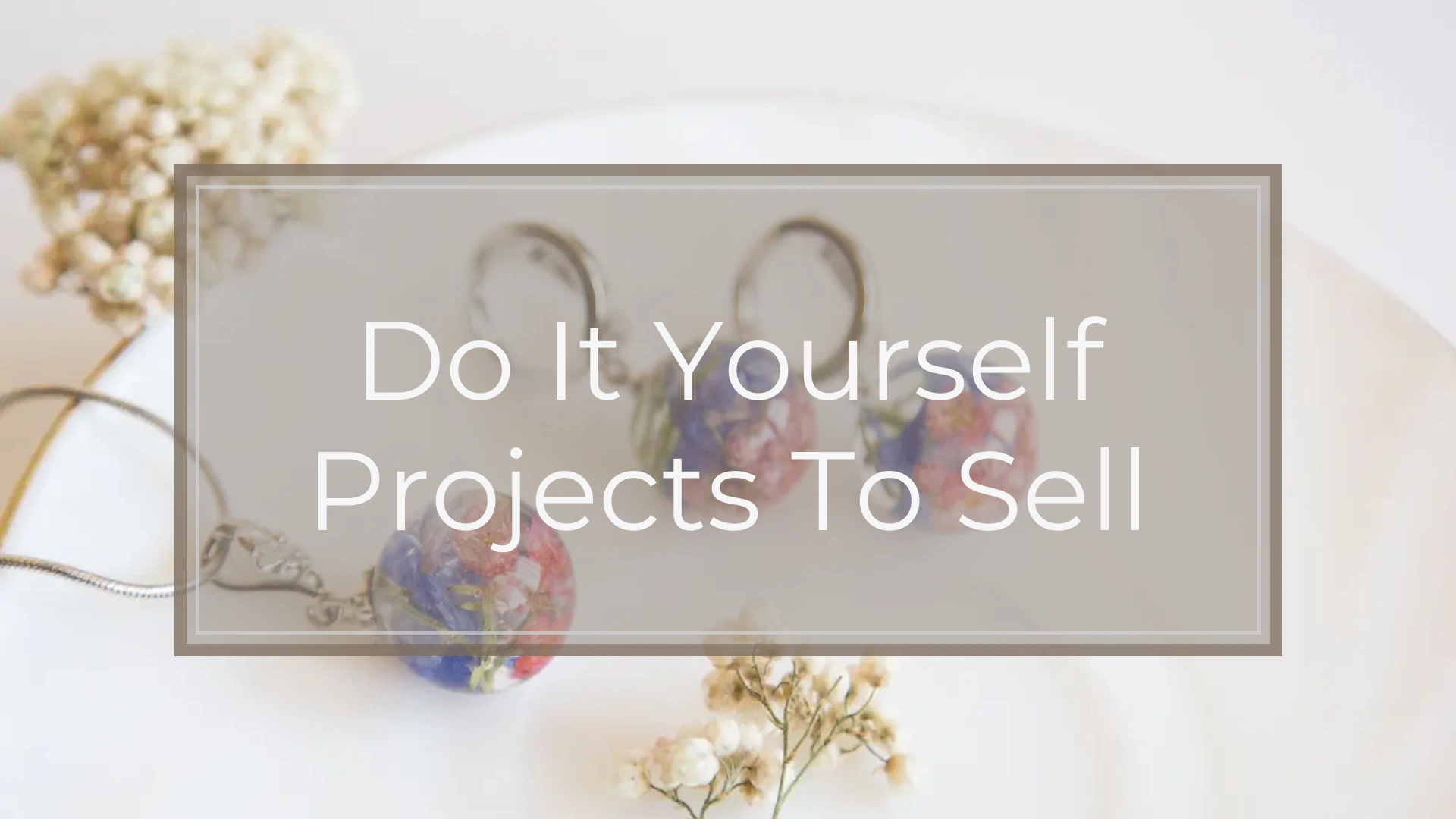
Do you want to make extra money from home or turn your creativity into cash? DIY projects you can sell are a great way to use your talents and grow a small business without big expenses. You can start making and selling simple crafts—even with little experience—and enjoy earning from something you enjoy doing.
For broader context, see our make resin keychains.
Many people are looking for low-cost, easy ideas that actually sell. From making dog bag holders from fabric, to bath bombs, to using Dollar Tree supplies, there are plenty of options to fit your style and budget. Whether you want a side hustle or a new hobby, you’ll find ideas here that people want to buy.
As you look through these projects, think about which ones match your skills and what supplies you already have. With a little time and effort, you can make crafts people love and start making money from your own DIY creations.

Getting Started With Do It Yourself Projects To Sell
When you want to start making DIY projects to sell, it is important to know the advantages, who your buyers might be, and how to pick supplies and tools. Knowing these basics helps you turn your hobby into something profitable and even eco-friendly.
Benefits Of Selling DIY Products
Selling your own DIY products has several very good benefits. You get to use your skills and creativity while making extra money. It’s a great way to start a small business with very little startup cost.
You can also help the environment by using recycled or eco-friendly materials. Many buyers like handmade items that are made with care and have a personal touch.
Selling DIY crafts can also give you more control over your work schedule. You can decide what to make, when to work, and how much to sell your items for. This kind of freedom is excellent for people who want to earn money in a flexible way.
Understanding Your Target Market
Before you begin, you need to know who might buy your crafts. Think about the age, hobbies, and interests of your possible customers. Are they looking for gifts, home decor, or eco-friendly products?
It helps to visit local craft fairs, check online marketplaces, or look at social media groups. See what items are selling well and read customer reviews. Make a short list of who your main buyers could be, such as parents, pet owners, or people who enjoy eco-friendly products.
Tip: Create a simple table to track trends.
| Product Type | Buyer Interest | Price Range |
|---|---|---|
| Homemade Candles | High | $5–$15 |
| Eco-Friendly Bags | Medium | $8–$20 |
| Dog Accessories | High | $6–$18 |
This makes it easier to focus your DIY ideas.
Choosing The Right Materials And Tools
Select materials and tools that fit your project’s needs and your budget. Choosing recycled, upcycled, or eco-friendly supplies can help your items stand out. For example, you might use scrap fabric for bags, reclaimed wood for crafts, or glass jars for candles.
Start with basic, affordable tools like scissors, glue guns, and paintbrushes. Don’t spend a lot until you know what products sell well for you. Test out different materials to see which are easy to use and look excellent in your finished work.
Check local stores, online shops, and even thrift stores for quality supplies. Always keep a list of what you need, so you don’t buy too much or forget anything important. This will help keep your costs low and your profit higher.
Finding Profitable Craft Ideas
Choosing the right projects helps you earn extra income and lets you enjoy the process. Focus on easy crafts with steady demand, eco-friendly ideas, and products that do well online.
Easy Crafts With High Demand
You don’t need to be an expert to make crafts people want to buy. Many popular projects use basic materials and simple steps.
Some examples are:
- Custom keychains
- Beaded jewelry (like bracelets and necklaces)
- Soy candles
- Bath bombs
- Homemade pet treats
These crafts sell well because they’re useful and make great gifts. Most of the supplies are easy to find and do not cost much. With attractive packaging, your crafts stand out at markets or online. Spend a little time learning each step, and you’ll have finished products that look good and sell for an average to good price.
Upcycled And Eco-Friendly Projects
Eco-friendly crafts are more than a trend—they’re what many buyers look for now. When you reuse materials, you cut costs and help the planet.
Projects you could try:
- Tote bags from old T-shirts
- Planters made from jars or cans
- Decor from scrap wood or pallets
- Recycled paper greeting cards
These crafts use items you might already have at home. Upcycled products attract shoppers who care about the environment. Add simple tags that highlight your eco-friendly process to boost sales. This means you give new life to old things and create affordable, sellable items with purpose.
Trending Items To Sell Online
Some crafts gain popularity quickly. Keeping up with trends helps your shop stay busy and relevant.
Recent hits include:
| Craft Idea | Why It Sells |
|---|---|
| Pressed flower art | Natural and pretty |
| Resin coasters | Customizable designs |
| Polymer clay goods | Unique, colorful |
| Crocheted items | Cozy, handmade style |
Online buyers love items that they don’t see everywhere. Using fresh ideas and smart product photos can help your craft listings stand out. Watching places like TikTok, Etsy, or Instagram gives you clues about what’s trending so you can create products people want now.
Sewing Projects To Sell
Sewing projects like bags and home décor items are always in demand. These handmade goods offer practical uses and let you add your own style, helping them stand out in local markets or online shops.
Popular Accessories And Bags
Bags and accessories are small but useful items that many people buy as gifts or to use themselves. You can sew tote bags, zipper pouches, wallets, and scrunchies with leftover fabric. These projects usually need basic sewing skills and only a small amount of material.
A simple tote bag can be made in under an hour and sold at farmer’s markets or craft fairs. Zipper pouches work well for holding school supplies or makeup, and they sell quickly if you use fun patterns or themes. Scrunchies, headbands, or small coin purses are perfect for using up extra fabric and often sell in sets.
These items are simple to customize. Choose bright colors, soft fabrics, or add pockets and keychain loops. Personal touches and trendy fabrics make your creations more appealing.
Functional Home Decor Items
Home décor items like pillow covers, fabric baskets, and reusable napkins are sewing projects customers look for. These items can refresh someone’s home while also being functional.
Pillow covers are easy to make with new or recycled fabric and can be sized for standard pillows. Fabric baskets are useful for holding toys, craft supplies, or bathroom products, and you can sew them in different shapes and sizes. Reusable fabric napkins are a great eco-friendly choice that families can use every day.
Table: Common Home Decor Projects
| Project | Materials Needed | Selling Tip |
|---|---|---|
| Pillow Covers | Cotton fabric | Offer seasonal sets |
| Fabric Baskets | Stiff fabric | Use bold prints |
| Napkins | Linen/cotton | Sell in bundles |
Adding details like buttons, embroidery, or fun prints will help your items catch a buyer’s eye and encourage repeat business.
Creative Arts And Crafts For Extra Income
Making arts and crafts at home gives you a way to earn extra income with your creativity and hands. Simple projects, like painted glass vases or personalized gifts, can be made with low-cost materials and sold online or at local markets.
Hand-Painted Glass Vases
Hand-painted glass vases are a popular and eye-catching craft. You can find plain glass vases at most dollar stores or thrift shops for a low price. Acrylic paints and paint markers are easy to use and come in many colors.
Try painting flowers, geometric shapes, or fun patterns. You can also use stencils if you want more detailed designs. After painting, spray the vase with a clear sealant to protect your work.
People buy painted vases for gifts, events, or home décor. Keeping designs modern and colorful often does well. You can sell them at craft fairs, online on sites like Etsy, or in your local community.
Personalized Gifts And Decor
Personalized gifts and décor items are always in demand. These projects let you add names, quotes, or special dates to things like mugs, keychains, or signs.
Making custom gifts is simple with a vinyl cutter, paint pens, or wood burning tools. For example:
| Product | Personalization Ideas |
|---|---|
| Mugs | Names, quotes, birthdays |
| Keychains | Initials, short messages |
| Wooden Signs | Family names, welcome notes |
Custom items make great gifts for holidays or special occasions. Buyers love unique and thoughtful touches. Start by taking orders from friends and family, and then list your personalized items online to reach more people.
Where To Sell Your DIY Projects
You have several options for where you can sell your DIY crafts. Each place lets you connect with different buyers and offers unique benefits depending on how you want to run your business.
Setting Up An Etsy Shop
Etsy is a popular website for selling handmade items. Setting up a shop is simple and only takes a few steps. You create an account, list your items, and set your prices. Etsy has millions of users looking for creative and unique products.
You can customize your shop with a banner, logo, and shop policies. Good photos and clear descriptions help your products stand out. You pay small listing fees and a percentage when you make a sale.
Tips for selling on Etsy:
- Use keywords in your product titles and descriptions to help buyers find you.
- Respond quickly to messages from customers.
- Offer shipping options and fast delivery.
Etsy can help you reach buyers all over the world. It’s also helpful for tracking your orders and managing your business from home.
Selling At Local Farmers Markets
Local farmers markets are great places to meet buyers in your own community. Renting a booth gives you a spot to display your DIY projects. People who visit these markets often look for handmade and unique items.
Before you attend, check if you need a permit or to register with the market manager. Bring enough products to stock your table, along with labels and prices. A friendly attitude can help you attract more shoppers and get repeat customers.
Things to bring to a farmers market:
- Table and tablecloth
- Signs with your prices
- Business cards or flyers
Farmers markets often happen weekly, so you get chances to sell for profit and talk directly to buyers about your projects.
Participating In Craft Fairs
Craft fairs gather many sellers and shoppers in one spot. They are perfect for showing off your work to people who love handmade goods. You usually need to apply ahead of time and pay a fee for your booth.
Bring your best products and set up your display neatly. Offering small items and a range of prices can help you sell more. Craft fairs are busy, so be ready to answer questions and talk about how you make your crafts.
Tips for successful craft fairs:
- Make your space look inviting with banners and creative displays.
- Have cash and a way to accept digital payments, like a card reader.
- Keep track of your sales and collect contact info from interested buyers.
Craft fairs can help you reach new customers, build your brand, and sell for profit as part of your DIY business.
Marketing Strategies For Maximizing Sales
To sell your DIY projects for profit, you need more than just a good product. Strong online branding, effective social media use, and smart pricing are key.
When resin pieces are part of your product plan, it helps to know how to price your epoxy resin project with profit in mind.
Building A Brand Presence Online
Start by creating a simple, consistent brand for your products. This can include a logo, a catchy shop name, and a color scheme. Use these elements across your website, product packaging, and social media.
Create an easy-to-navigate online store using platforms like Etsy, Shopify, or your own website. Make sure each listing has clear photos, detailed descriptions, and genuine customer reviews.
Ask your excellent or good customers to leave feedback. Positive reviews can help new buyers trust your shop. Keep your website updated with new items, seasonal products, or special offers to bring people back often.
Social Media Promotion Tips
Pick 1-2 platforms that fit your audience, like Instagram or Pinterest for visual crafts, or Facebook groups for DIY communities. Post clear photos and simple videos showing how your projects work or look in real life.
Share your making process to show the care that goes into each product. Engage with your followers by replying to comments or direct messages. Run simple polls or ask questions to boost engagement and see what people like best.
Collaborate with other makers or micro-influencers to reach more people. If you have an excellent product, you can offer a free sample for honest reviews. Use hashtags to connect with buyers and join popular challenges or trends.
Pricing Your Handmade Goods
Price your DIY projects so you can sell for profit, but also be fair to your customers. Add up your materials, time spent, and any extra costs like shipping or packaging.
Consider how your product compares to similar items on the market: Is it excellent, good, or average quality? Use a simple table to help set your prices:
| Quality | Example Price Markup |
|---|---|
| Excellent | 3x material cost |
| Good | 2x material cost |
| Average | 1.5x material cost |
Offer bundle deals or seasonal discounts to encourage more sales. Always communicate the value of handmade goods, such as their uniqueness and quality.
Tips For Success And Scaling Your DIY Business
Taking your DIY projects from a hobby to a source of extra income means focusing on quality and growth. By paying attention to your craftsmanship and adding new products, you make your business more attractive and help it grow.
Perfecting Craftsmanship
Your work needs to stand out as very good compared to others if you want people to buy from you. Use quality materials and take your time to finish each project neatly. Pay close attention to small details like clean lines, smooth surfaces, and strong joins.
Ask friends or early customers for honest feedback, and use their suggestions to improve. Take clear, bright photos that show off your work’s quality, and answer customer questions quickly and politely. When people see you care about every piece you make, they’re more likely to trust your business and buy from you again.
Practice your craft regularly and look for online tutorials or classes to learn new skills. Joining DIY groups or local craft fairs can help you meet others, compare your work, and pick up helpful tips. High-quality products are more likely to get good reviews and repeat buyers.
Expanding Your Product Line
Adding new products helps you reach more customers and earn extra income. Start by paying attention to what buyers are asking for or which of your current items sell best. You can use surveys or check popular items on similar online shops for ideas.
Try to offer a mix of products that match your skills. For example, if you sell handmade candles, you might add candle holders, wax melts, or kits for beginners. A simple table can help track your product ideas:
| Product | Materials Needed | Time to Make | Price Range |
|---|---|---|---|
| Candle Holders | Wood, paint | 1 hour | $8-$15 |
| Wax Melts | Wax, fragrance | 30 minutes | $5-$10 |
Keep your shop looking fresh by updating it with seasonal themes or limited-edition items. Test new products in small batches to see if they sell before making a lot. This way you can keep costs low but still grow your DIY business with less risk.