Epoxy resin hardener turns yellow mainly because the hardener side is more sensitive to oxygen, light, heat, and age than the resin side. A pale yellow or amber tint does not always mean the product is ruined. Many yellowed hardeners will still cure if they have been stored properly and have not thickened, crystallized, separated, or developed a strange texture.
Because storage affects all of those warning signs, it helps to store epoxy resin and hardener properly before color or texture changes start.
The bigger question is not only “Will it cure?” but “Will the color affect my project?” Yellow hardener may be fine for dark pigments, mica powders, trays, coasters, or practice pours. It is riskier for clear castings, white projects, pressed flowers, pale alcohol inks, or anything where clarity matters. Always inspect it, then test a small batch before pouring an important piece.
Introduction: Yellow Hardener Is Common, but It Needs a Quick Check
Opening a resin kit and finding that the hardener is yellow can be unsettling, especially if it was clear when you bought it. This is common with epoxy systems, particularly after a bottle has been opened and stored for a while.
The good news: yellow hardener is not automatically unusable. The bad news: it can affect color, clarity, and sometimes cure quality. Before you pour it into a mold or over artwork, take a few minutes to check its condition and make a small test batch.
Why Epoxy Resin Hardener Turns Yellow
Epoxy kits usually come in two parts: resin and hardener. The hardener is often the part that changes color first because its chemistry reacts more easily with air, heat, UV light, and time. Even if the bottle is closed, small amounts of oxygen can remain in the container or enter each time you open it.
Think of yellowing as a slow aging process. Warm storage speeds it up. Sunlight or bright UV exposure speeds it up. A half-empty bottle with lots of air space can yellow faster than a full, tightly sealed bottle. Contamination from dirty measuring cups, stir sticks, or accidentally swapping caps can also make the hardener age poorly.
Some hardeners naturally have a slight tint from the beginning, while others start water-clear and become honey-colored over time. The tint alone does not tell the whole story. You need to look at the hardener’s texture, smell, mixing behavior, and cure performance before deciding whether to use it.
How to Tell If Yellow Hardener Is Still Usable
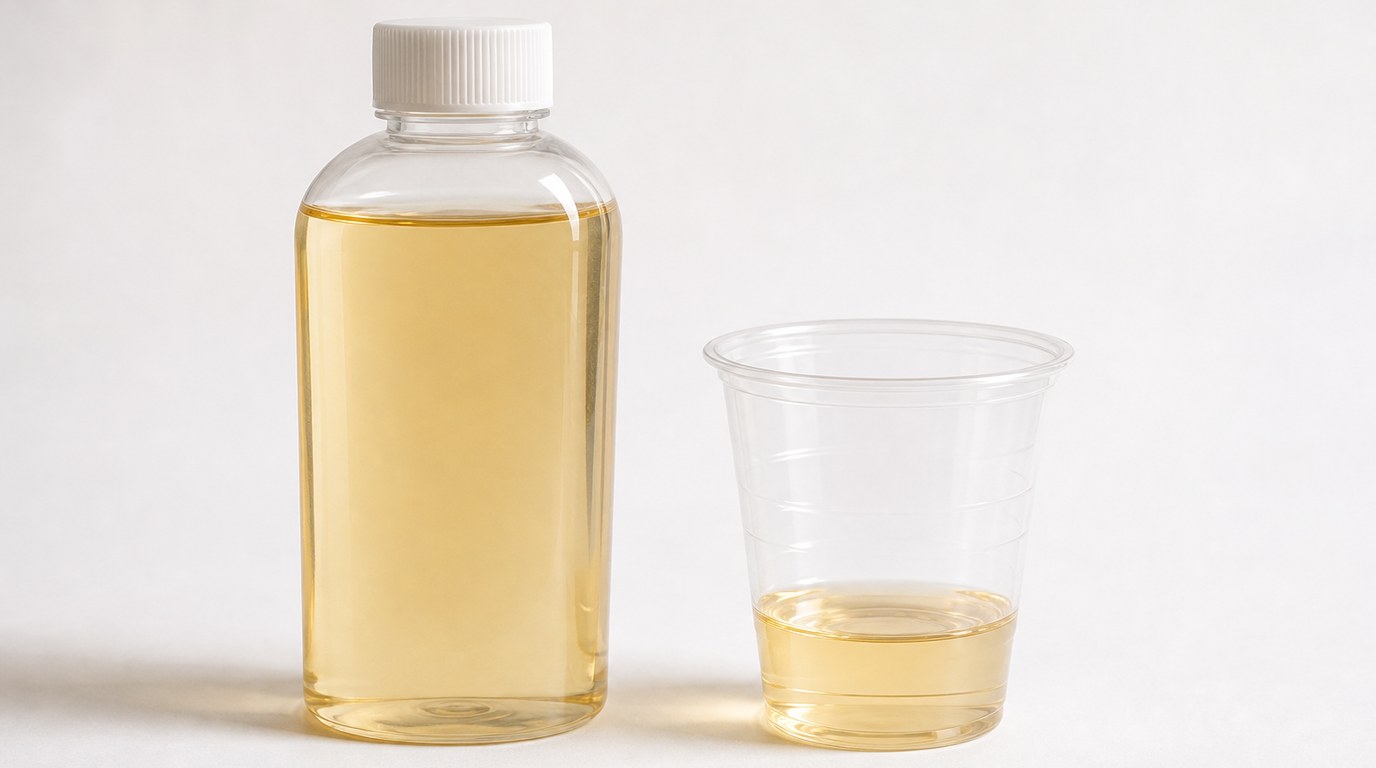
Start with a visual check in good light. A light straw color or mild amber tint is usually less concerning than a dark orange or brown color. Hold the bottle against a white background if you need to judge the color more accurately.
Next, check the consistency. The hardener should pour about the way it normally does for that product. If it has become unusually thick, stringy, lumpy, cloudy, grainy, or separated into layers, do not use it for a finished piece. Those changes can point to contamination, moisture exposure, or material breakdown.
Then check the bottle and storage history. Was it stored tightly capped? Was it kept in a hot garage, sunny window, or freezing space? Has it been open for months or years? Was the cap clean, or might resin have been introduced into the hardener bottle?
Also look at the expiration or recommended use-by date if the manufacturer provides one. A slightly yellow hardener within its shelf life may still be reliable. A dark, old, poorly stored hardener should be treated as suspect until it passes a test cure.
Do a Small Test Batch Before Using Yellowed Hardener
Before using yellowed hardener in a real project, mix a small test batch using the exact ratio listed for your resin. Do not guess or “adjust” the ratio to compensate for color. If your epoxy is 1:1 by volume, measure equal parts. If it is 2:1 or measured by weight, follow that system exactly.
Mix slowly but thoroughly, scraping the sides and bottom of the cup. Pour a thin layer into a small silicone mold, onto a scrap tile, or into a clear plastic test cup. If you plan to use pigment, make two tests: one clear and one with the pigment or mica you intend to use.
Let the test cure for the full cure time at the recommended temperature. Then check three things: Did it harden properly? Is the surface tacky or soft? Does the yellow tint show in the final thickness? If it cures hard and the color looks acceptable, it may be usable for similar projects.
Will Yellow Hardener Ruin Your Finished Resin Project?
Yellow hardener is most noticeable in clear or pale projects. It can make clear castings look warm, aged, or tea-colored. It may dull white pigment, cream backgrounds, pale pinks, light blues, preserved flowers, shells, and transparent alcohol ink effects.
For darker designs, the yellowing often matters much less. Black, navy, deep green, burgundy, opaque pigments, glitter, and mica powders can hide a mild amber tint. Functional pieces like dark coasters, trays, keychains, bookmarks, and practice pours may turn out fine.
Thickness also matters. A very thin coating may show little color shift, while a deep casting can concentrate the yellow tone. If the project depends on crystal-clear resin, fresh hardener is the safer choice.
What Not to Do with Yellowing Hardener
Do not add extra hardener or extra resin to “fix” the color. Changing the ratio can leave your project sticky, bendy, or uncured.
Do not heat the bottle aggressively to make it clear again. Gentle warming can help with viscosity in some resin systems, but it will not reverse true yellowing and may speed aging if overdone.
Do not mix old hardener into a new kit unless the manufacturer says the parts are compatible. Different formulas can cure differently, even if they look similar.
Do not use questionable hardener for irreplaceable items: wedding flowers, memorial pieces, original artwork, or customer orders. Test first, or replace it.
How to Prevent Epoxy Hardener from Yellowing in Storage
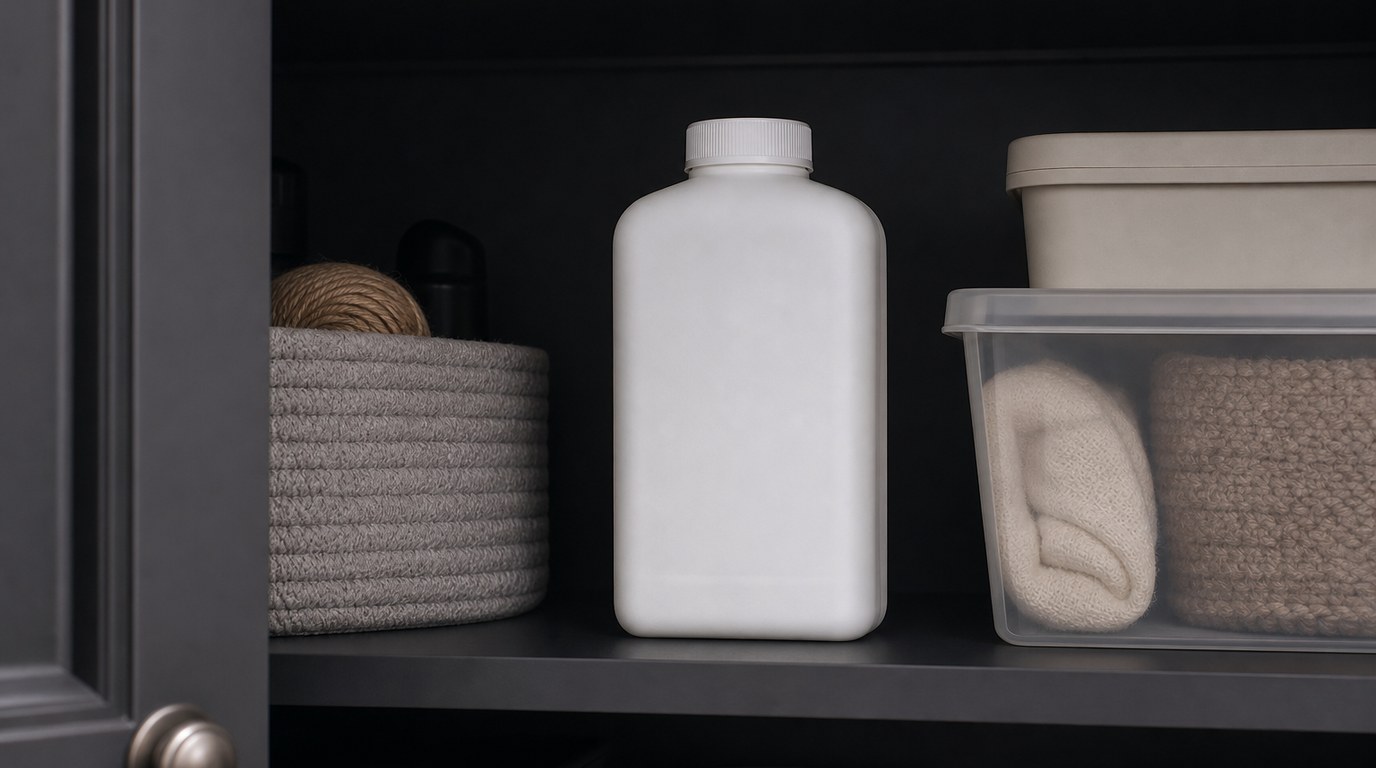
Store hardener in a cool, dark, dry place. A cabinet or closet is better than a sunny craft table, hot garage, shed, or windowsill. Temperature swings can shorten shelf life, so choose a stable indoor location when possible.
Always close the cap tightly right after pouring. The less time the bottle is open, the less air and moisture can get in. Wipe the rim before closing if needed, but do not use anything that could contaminate the contents.
Keep resin and hardener caps separate. Accidentally putting the resin cap on the hardener bottle can start a reaction or introduce contamination. Label caps if your bottles look similar.
If you buy large kits, consider whether you use them quickly enough. A smaller fresh kit may give better results than a large bargain kit that sits half-empty for a year. For best clarity, use older resin for pigmented projects and save fresh material for clear work.
When to Replace Yellowed Hardener
Replace yellowed hardener when it is dark amber or brown, smells unusual, has changed texture, contains lumps or sediment, fails a test cure, or makes your test piece too yellow for the project.
Also replace it for high-stakes clear work. If you are casting flowers, making white coasters, coating pale artwork, or selling finished pieces, the cost of fresh hardener is usually lower than the cost of a failed pour.
Quick Troubleshooting Summary
If your epoxy hardener has yellowed, do not panic. First, inspect the color, texture, smell, cap, and storage history. Then mix a small test batch at the correct ratio and let it fully cure.
Use mildly yellow hardener for dark pigments, mica, glitter, practice pieces, or non-critical projects if it cures well. Use fresh hardener for clear, white, pale, floral, or customer projects. Store future bottles cool, dark, dry, and tightly capped.
FAQ
Can I Use Epoxy Hardener If It Has Turned Yellow?
Yes, sometimes. If the hardener is only lightly yellow, pours normally, has no lumps or separation, and passes a small cure test, it may still be usable. Avoid using it for clear, white, pale, floral, or important projects unless the test piece looks acceptable.
Does Yellow Hardener Mean My Resin Is Expired?
Not always. Yellowing can happen before or after the listed shelf life depending on storage conditions. Heat, light, air, and contamination can age hardener faster. Check the expiration date, but also inspect the hardener and run a test batch before deciding.
Can I Make Yellow Hardener Clear Again?
No, not reliably. Once hardener has chemically yellowed, you cannot turn it back to water-clear. Gentle warming may make thick material pour easier if the manufacturer allows it, but it will not remove the amber color. For clear projects, replace it.
Why Is Only the Hardener Yellow and Not the Resin?
The hardener side is usually more reactive with oxygen, moisture, heat, and light, so it often changes color before the resin side. That does not automatically mean the resin side is bad. The two parts should still be tested together before use.
Will Pigments Hide Yellowed Hardener?
Many pigments can hide mild yellowing, especially opaque colors, dark shades, mica powders, glitter, black, navy, red, green, or metallic effects. Pale colors, transparent tints, white pigment, pressed flowers, and clear casting will show yellowing much more easily. Test your exact color mix first.