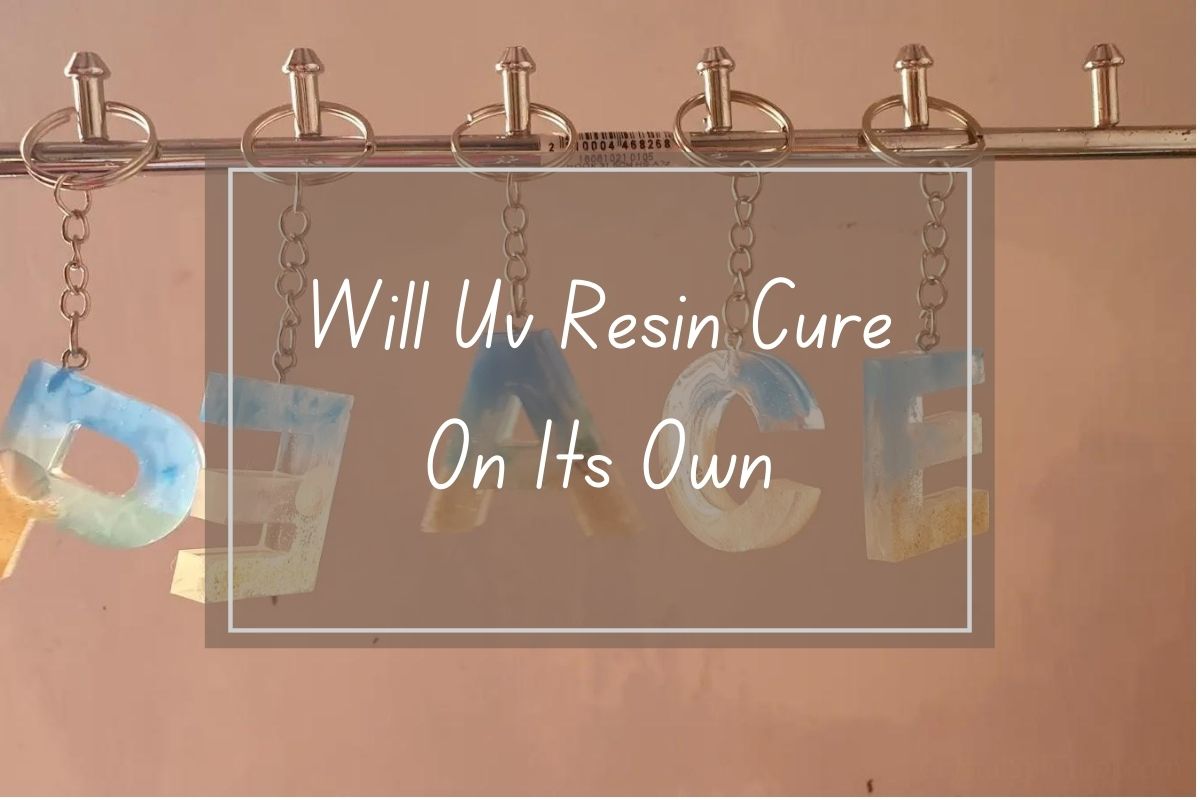
If you’ve ever wondered whether UV resin will cure on its own, I have a simple answer for you. UV resin absolutely requires ultraviolet light to cure and will not harden without it. This is different from other resins like epoxy that cure through chemical reactions with hardeners.
Many crafters hope their UV resin might cure overnight or with time, but unfortunately, it just doesn’t work that way. The good news is you have several options for curing your projects. Natural sunlight works well on clear days, or you can use LED lamps and dedicated UV curing stations depending on your project size.
When working with UV resin, remember that proper ventilation is important for your health. Some crafters report headaches when using UV resin in poorly ventilated spaces, and experts recommend using a respirator for safety. With the right light source and safety precautions, your UV resin projects can turn out beautifully!
Understanding UV Resin
UV resin is a special type of resin that hardens when exposed to ultraviolet light. It’s different from other resins because of how it cures – through a process called polymerization that’s triggered by UV rays.
When you use UV resin, you’re working with a liquid that transforms into a solid plastic-like material after proper curing. This transformation happens because the UV light activates chemicals in the resin that cause the molecules to link together.
The name gives away its key requirement – UV resin needs ultraviolet light to cure. Without this light, the resin will stay in its liquid form indefinitely.
If you want a deeper explanation, see why UV resin needs UV light.
One big advantage of UV resin is its quick curing time. While epoxy might take 48-72 hours to fully harden, UV resin can cure in minutes when exposed to a strong UV source.
UV resin creates a strong, durable finish once properly cured. This makes it perfect for jewelry, small crafts, and coating projects.
You should always ensure good ventilation when working with UV resin. As mentioned in the search results, some crafters experience headaches when using it in poorly ventilated spaces.
Remember that not all resins are UV-curable. Some resins will cure on their own over time, regardless of UV exposure, but true UV resin specifically requires ultraviolet light to harden properly.

The UV Curing Process
UV resin needs ultraviolet light to harden properly. This process happens through a chemical reaction when special molecules in the resin meet UV rays. Let’s explore how this works and what equipment you’ll need.
Role of UV Light in Curing
UV curing is a photochemical process that transforms liquid resin into a solid, durable material. When UV light hits the resin, it activates special molecules called photoinitiators. These molecules create a chain reaction that links the resin components together, making them solid.
Unlike epoxy resins that cure through a chemical reaction over time, UV resin won’t harden without proper exposure to ultraviolet light. This is why leaving UV resin overnight in the dark won’t work – it needs that specific wavelength of light to trigger the curing process.
The reaction happens quickly – usually within minutes rather than hours or days required for other resins. This makes UV resin perfect for quick projects.
UV Light Sources and Wavelengths
You have several options for UV light sources to cure your resin projects:
UV Lamps: These come in various forms including:
- Professional UV curing stations
- Nail art UV lamps
- Specialized resin curing lamps
Most UV resin responds best to light in the 365-405 nanometer wavelength range. Your lamp should match this specification for effective curing.
Sunlight: Natural sunlight contains UV rays and can cure resin, but results may be inconsistent due to:
- Weather conditions
- Time of day
- Geographic location
Artificial UV sources provide more reliable results since they maintain consistent wavelength and intensity. For best results, rotate your project during curing to ensure all areas receive equal light exposure.
Necessary Equipment for Curing UV Resin
To properly cure UV resin, you’ll need specific tools that ensure a complete hardening process. The right equipment makes all the difference between sticky, half-cured projects and professionally finished pieces.
Choosing the Right UV Lamp
The most important tool for curing UV resin is a proper UV lamp. You need a lamp that emits light at the 365nm wavelength, as this specific frequency triggers the chemical reaction that hardens the resin. Not all UV lights work effectively for resin curing!
Small nail-curing lamps work well for tiny projects, but larger pieces need more powerful options. Look for lamps with at least 36 watts for faster, more thorough curing. Some crafters use:
- LED UV lamps: Energy-efficient and don’t get too hot
- UV flashlights: Portable option for small touch-ups
- UV curing stations: Professional equipment for larger projects
The sun can also cure resin, but results vary based on weather and sunlight intensity. For consistent results, investing in a proper UV lamp is best.
Safety Precautions When Using UV Lamps
UV light can be harmful to your eyes and skin, so safety must be your priority! Always wear UV-blocking glasses when using your lamp, as exposure can cause eye damage over time.
Keep your workspace well-ventilated since resin can release fumes during curing. Some resins come with a safety data sheet that lists specific precautions – always read this information!
When curing colored resin, be aware that darker colors may require longer curing times. Test different curing times for various colors to get the best results.
Cover your skin with gloves and long sleeves to prevent UV exposure, especially if you’ll be working with the lamp for extended periods. Never look directly at the UV light source, even briefly.
Factors Affecting UV Resin Curing
Several factors can impact how well your UV resin cures. Understanding these elements will help you achieve better results in your projects.
Effect of Temperature on Curing
Temperature plays a crucial role in how well your UV resin cures. Warm resin flows better and cures more effectively than cold resin. When working with UV resin, try to keep your workspace at room temperature (around 70-75°F).
If your workspace is too cold, your resin might remain sticky even after UV exposure. You can warm your resin bottle in warm water before use to improve flow and curing results.
High temperatures can also affect curing by making the resin cure too quickly, potentially causing bubbles or uneven results. Finding that sweet spot with temperature will make your projects turn out better.
Influence of Resin Color
The color of your UV resin significantly impacts curing time and thoroughness. Clear resins cure faster because UV light can penetrate completely through the material.
Darker colors and pigments block UV light penetration, requiring longer curing times. Black, deep blue, and purple resins often need extra curing time or multiple short curing sessions to avoid heat buildup.
When using colored resins, work in thinner layers to ensure complete curing. This is especially important for pieces that need to be durable.
The shelf life of colored resins might be shorter than clear ones, as some pigments can affect the resin’s properties over time. Store your colored resins in dark bottles away from sunlight to maintain their curing abilities longer.
Applications of UV Resin
UV resin is a versatile material that can be used in many creative and practical ways. Its quick curing time and durability make it perfect for both hobbyists and professionals.
Creating Art and Craft Projects
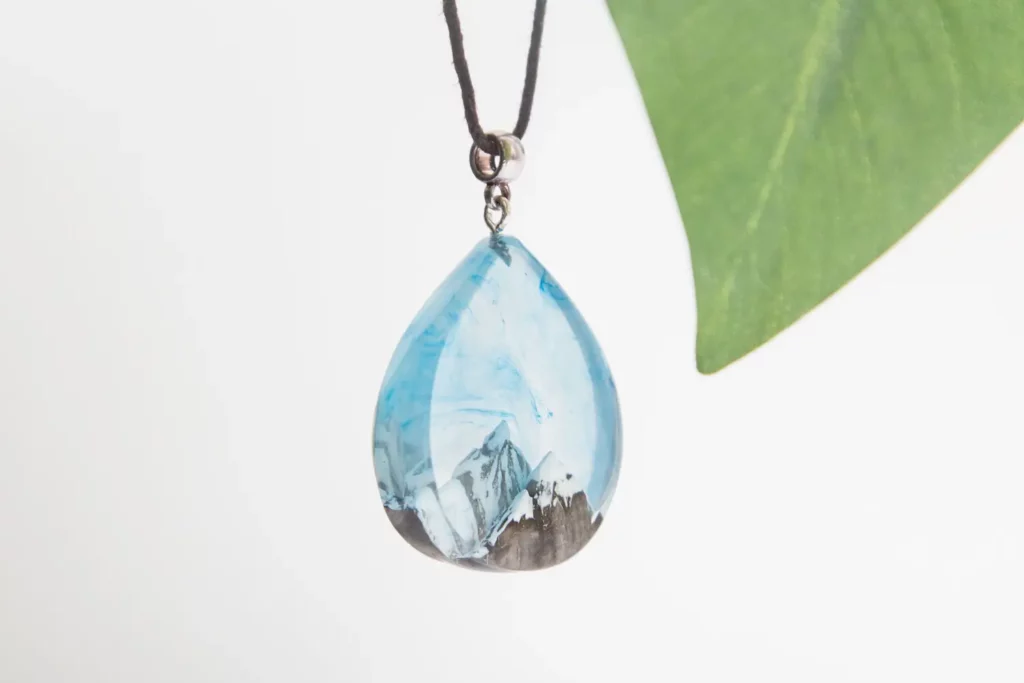
UV resin is perfect for making jewelry! You can create beautiful pendants, earrings, and rings that look like glass but are much lighter. The resin cures quickly under UV light, so you can finish projects in minutes instead of waiting overnight.
For crafters, UV resin works great as a coating for paper crafts and photos. It gives a glossy, waterproof finish that protects your work. You can also use it to make keychains, bookmarks, and small decorative items.
Many fishing enthusiasts use UV resin to create custom lures. You can coat your lures with clear resin to make them more durable and attractive to fish. The shiny finish mimics the look of scales or water movement.
Adding colorants, glitter, or dried flowers to UV resin creates stunning 3D effects. Small silicone molds help you shape the resin into any design you want.
Industrial Uses of UV Resin
In manufacturing, UV resins provide strong adhesive properties for bonding materials together. Companies use them to attach components in electronics, furniture, and automotive parts.
UV resins create protective coatings for floors, countertops, and wooden surfaces. These coatings resist scratches, chemicals, and water damage better than many traditional finishes.
Dental offices use special UV resins for making crowns, fillings, and other dental applications. The quick curing time allows dentists to complete procedures faster.
In printing, UV resins create raised textures on business cards and signs. The 3D effect makes printed materials stand out and feel more premium.
Some UV resins work like epoxy but cure much faster, making them valuable for quick repairs and production lines where time matters.