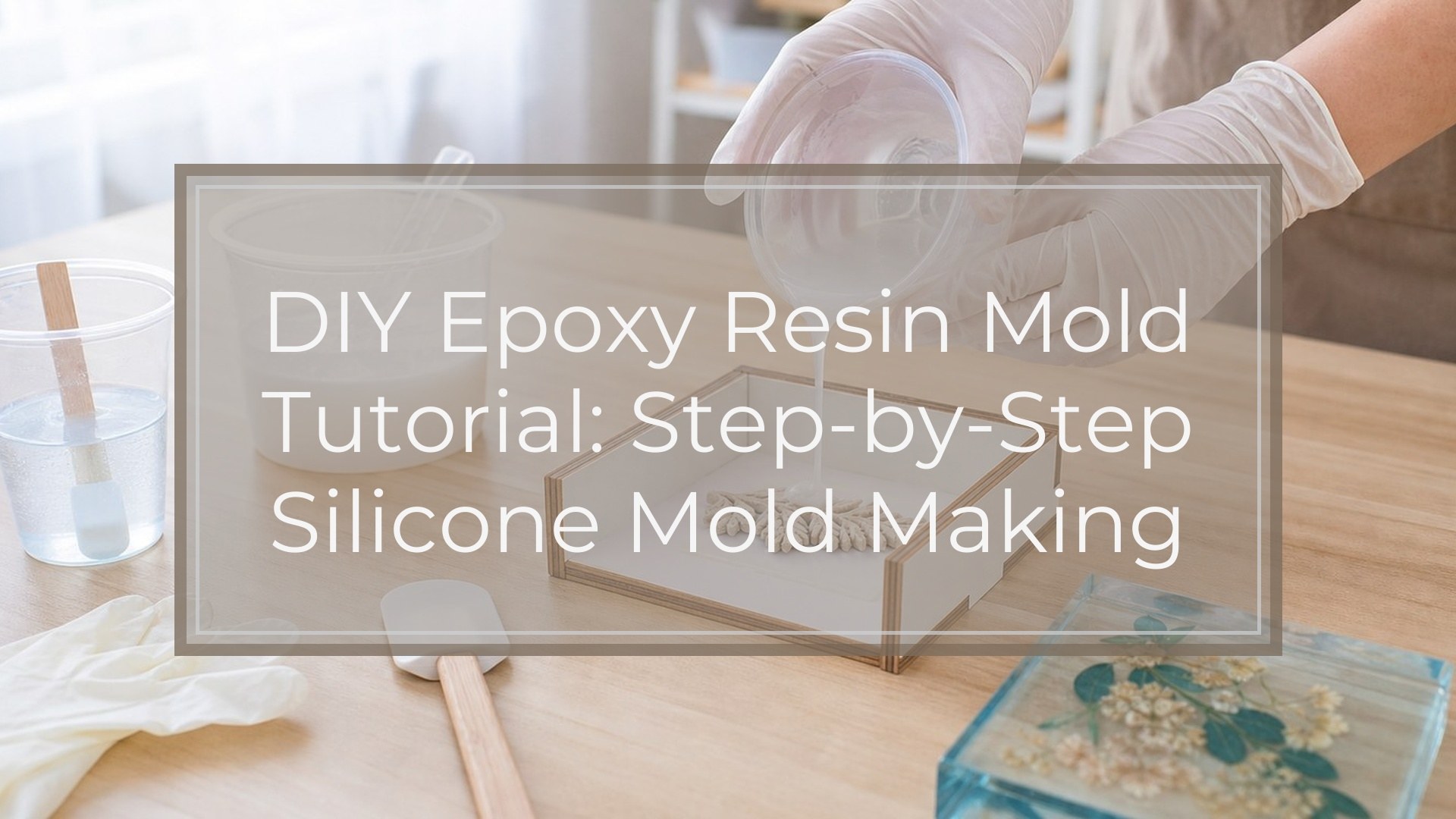
Making your own silicone mold for epoxy resin is a practical way to copy a small object, create custom shapes, or make repeatable resin pieces without relying only on store-bought molds. The beginner-friendly process is simple: choose a smooth original object, secure it inside a sealed mold box, mix mold-making silicone accurately, pour slowly, let […]
Blog

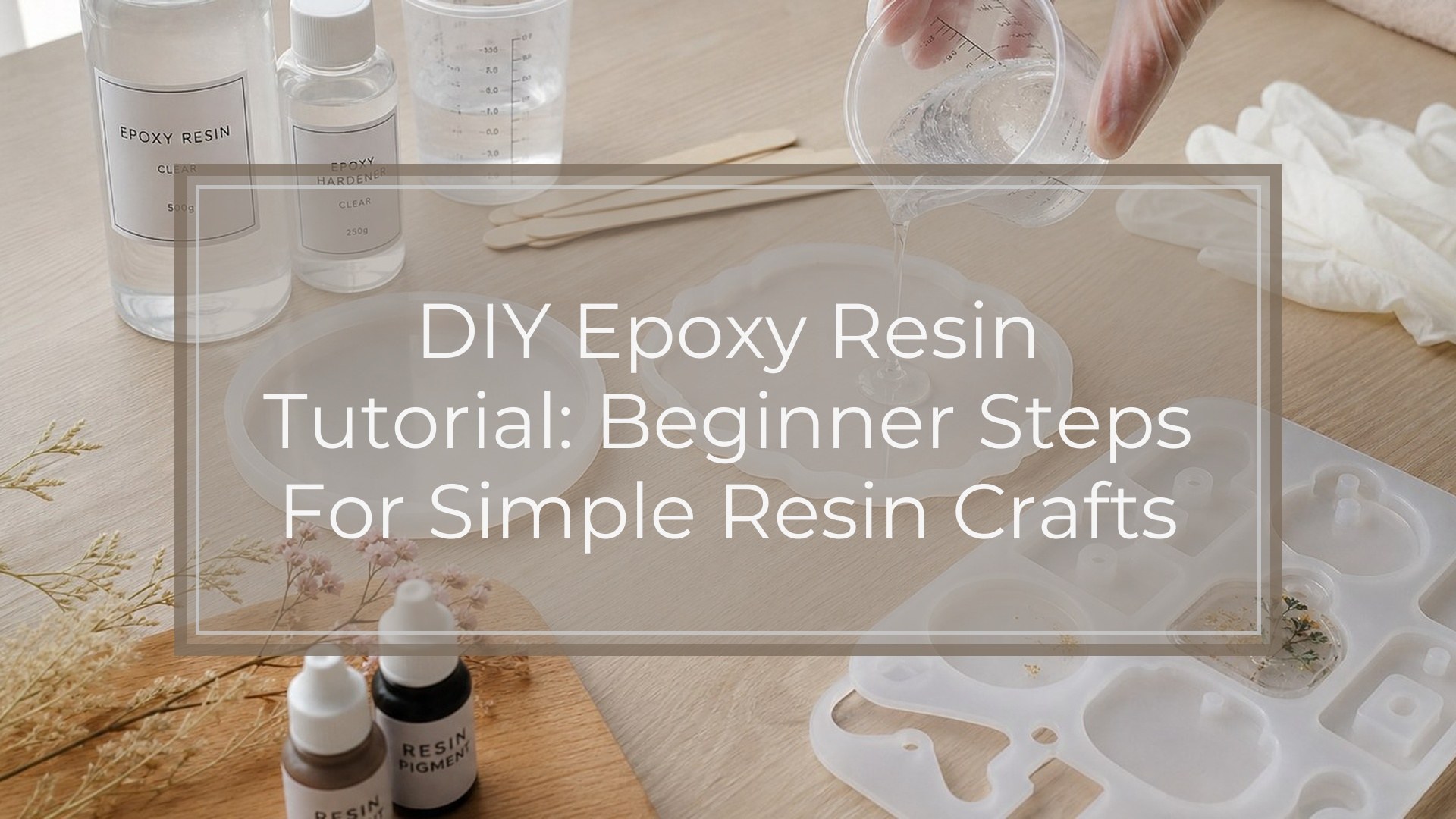
DIY Epoxy Resin Tutorial: Beginner Steps for Simple Resin Crafts
Epoxy resin is easiest to learn with a small, simple project, such as a coaster, keychain, trinket tray, or pendant. The basic process is: prepare your workspace, measure resin and hardener exactly, mix slowly, add color lightly, pour into a clean mold, remove bubbles, cover, cure, then demold and finish. The most important beginner rules […]

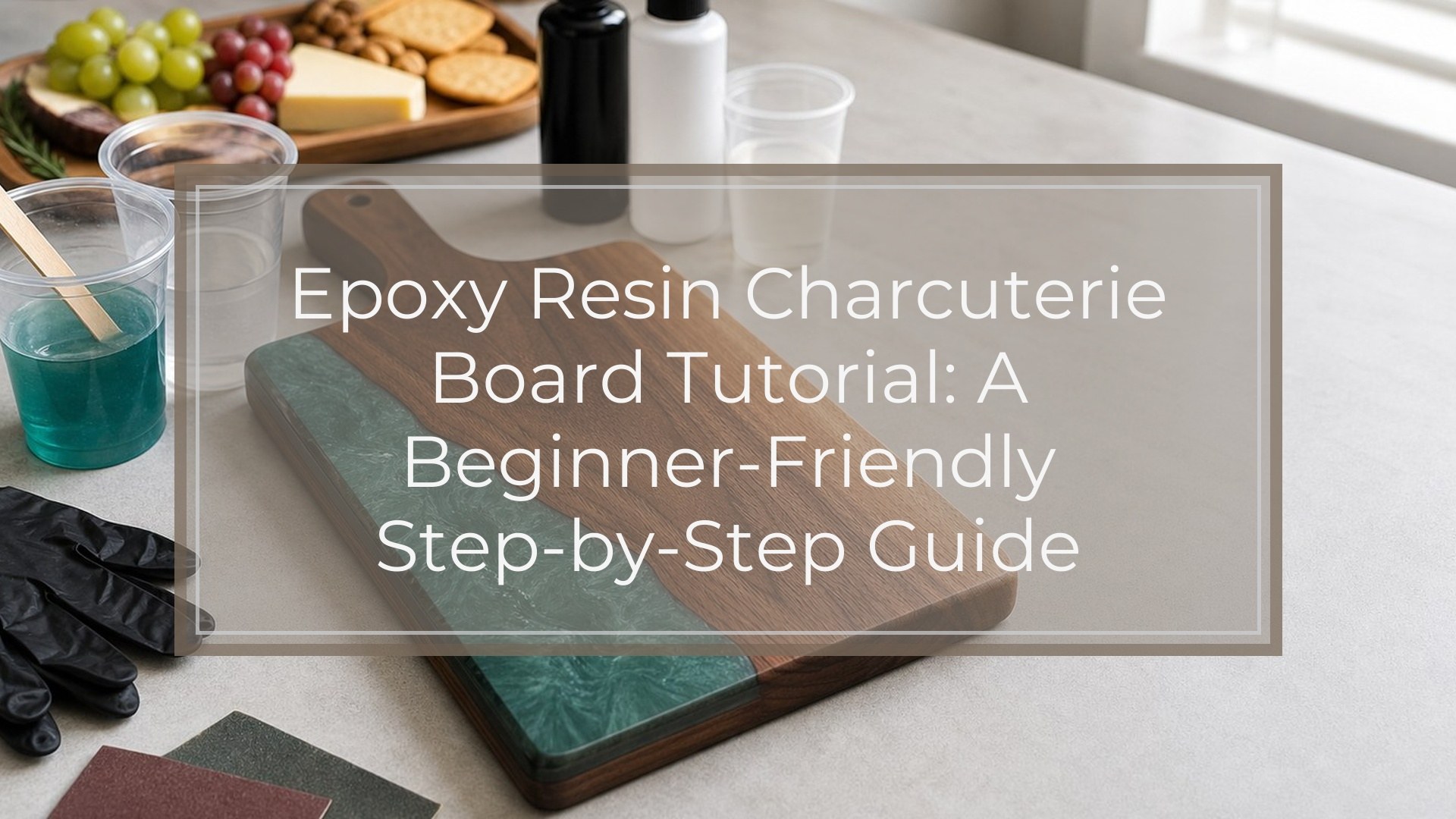
Epoxy Resin Charcuterie Board Tutorial: A Beginner-Friendly Step-by-Step Guide
Make an epoxy resin charcuterie board by sanding a hardwood board, masking the areas that must stay clean, mixing resin accurately, pouring a decorative accent, curing fully, then sanding and finishing the wood. Use the finished board for serving, not cutting. Food should touch the wood side or a fully cured resin surface rated food […]

Epoxy Basics Taping Tips for Clean Edges: A Beginner’s Guide
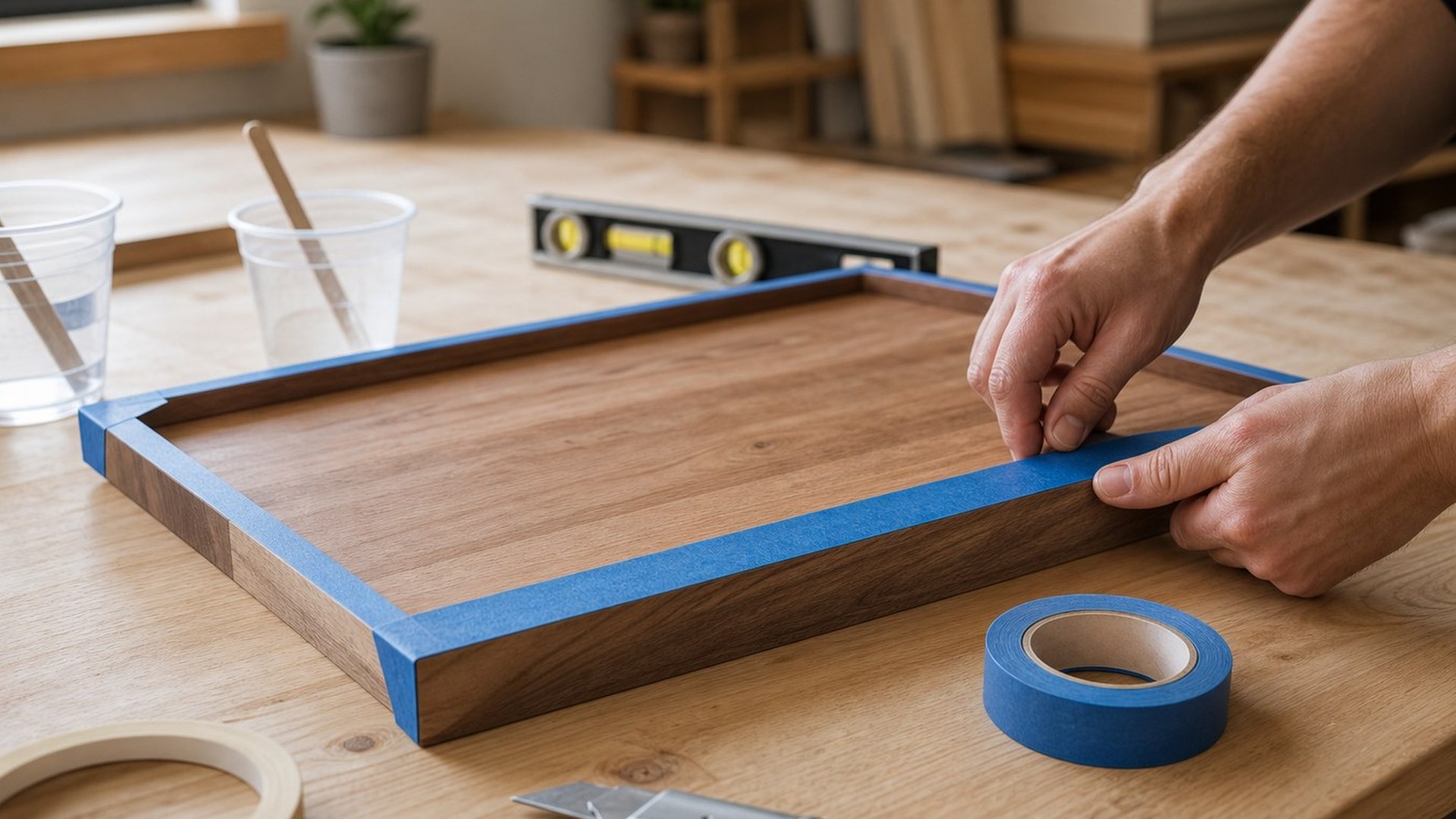
Clean epoxy edges start before you pour. The tape you choose, how firmly you press it down, and when you remove it all affect whether your resin cures with crisp lines or messy ridges. For most resin crafts, use a quality painter’s tape or sheathing tape that matches the surface and job. Apply it to […]

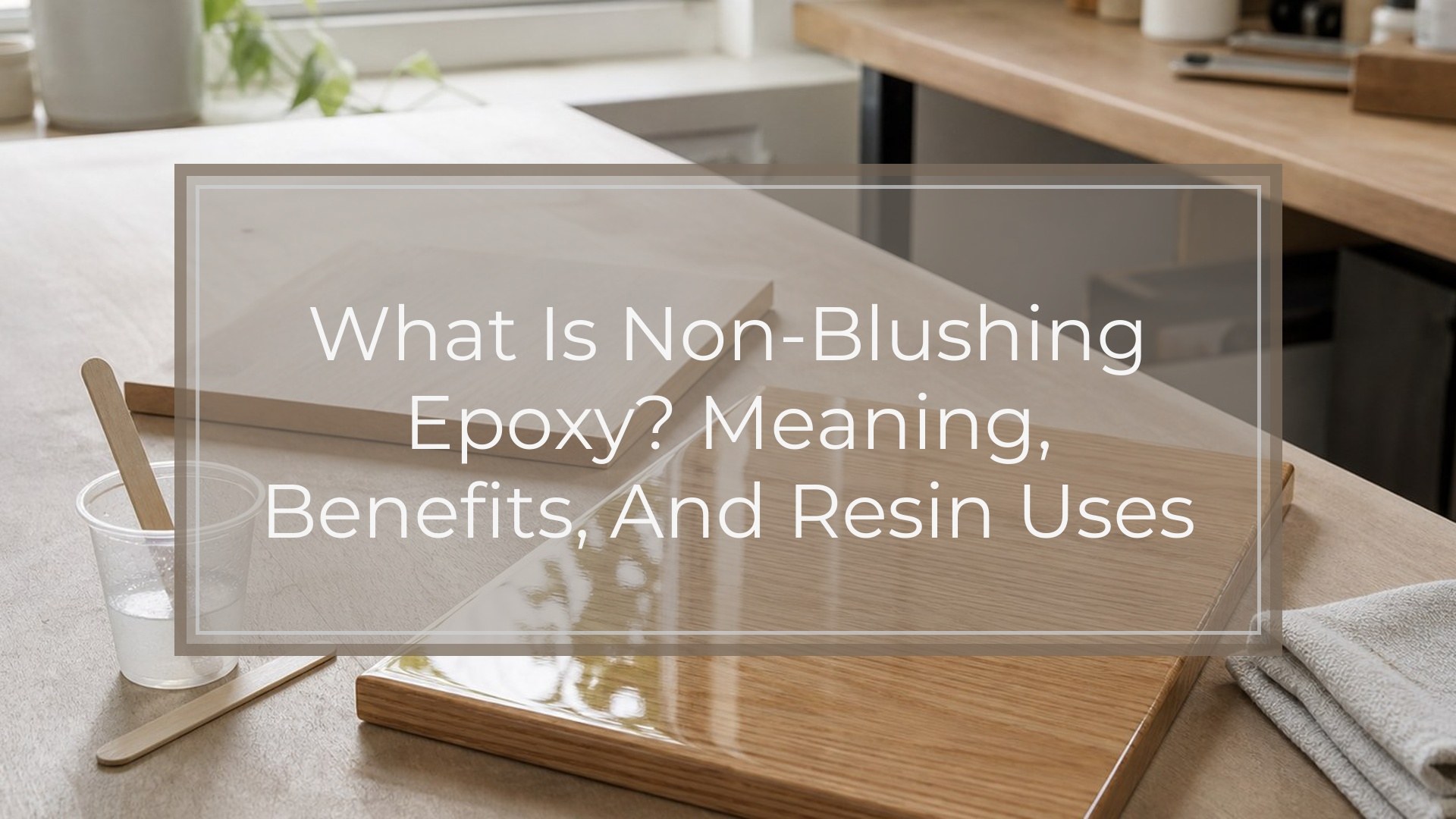
What Is Non-Blushing Epoxy? Meaning, Benefits, and Resin Uses
Non-blushing epoxy is an epoxy resin system formulated to greatly reduce the chance of amine blush, a waxy, cloudy, or greasy-looking film that can sometimes appear on cured epoxy. In resin crafting, the term usually means the cured surface is less likely to develop that surface residue, especially when used under reasonable temperature and humidity […]

Why Is My Epoxy Not Hardening? Causes and Fixes
Epoxy usually fails to harden because the resin and hardener were measured incorrectly, mixed incompletely, poured in the wrong temperature range, contaminated with moisture or additives, or used past its working limits. The fix depends on how uncured it is. A sticky surface may only need cleaning, sanding, and a fresh flood coat. Soft or […]

How to Remove Soft Sticky Resin: Step-by-Step Cleanup Guide
To remove soft sticky resin, first scrape away as much gummy material as possible, then wipe the remaining residue with an appropriate cleaner such as isopropyl alcohol or acetone, depending on the surface. Work in a ventilated area, wear nitrile gloves, and keep paper towels, plastic scrapers, and a trash bag nearby. If the resin […]

Why Is My Epoxy Resin Hardener Yellowing? Causes and Fixes
Epoxy resin hardener turns yellow mainly because the hardener side is more sensitive to oxygen, light, heat, and age than the resin side. A pale yellow or amber tint does not always mean the product is ruined. Many yellowed hardeners will still cure if they have been stored properly and have not thickened, crystallized, separated, […]
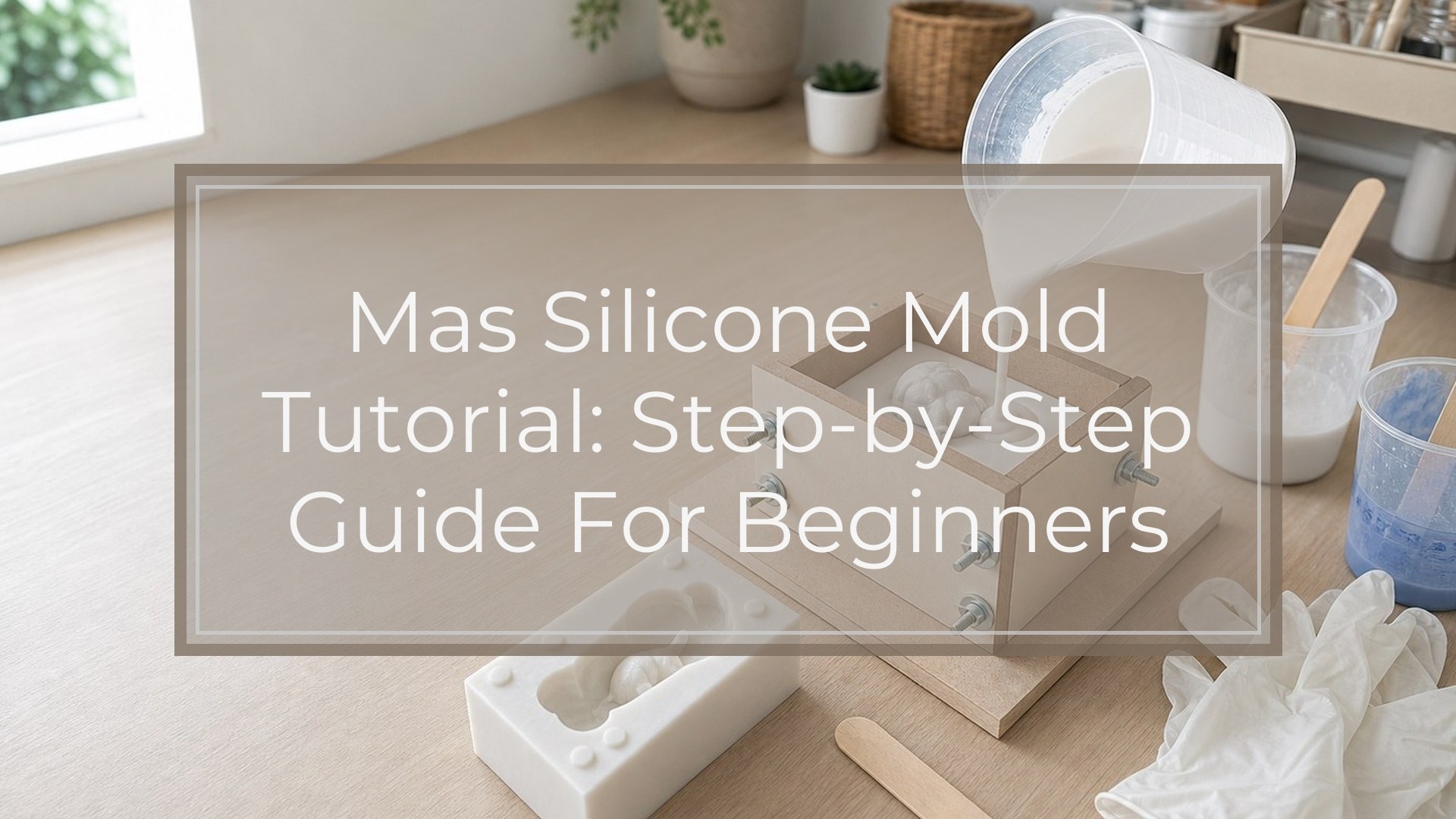
Mas Silicone Mold Tutorial: Step-by-Step Guide for Beginners
A MAS silicone mold tutorial for resin projects starts with a clean master object, a sealed mold box, accurate silicone measuring, slow mixing, and a controlled pour. The goal is to make a reusable silicone mold that captures detail without leaks, bubbles, or cure problems. For most beginner resin projects, a simple one-piece pour mold […]

Top 3 Epoxy Resin Tips for Beginner Resin Pours
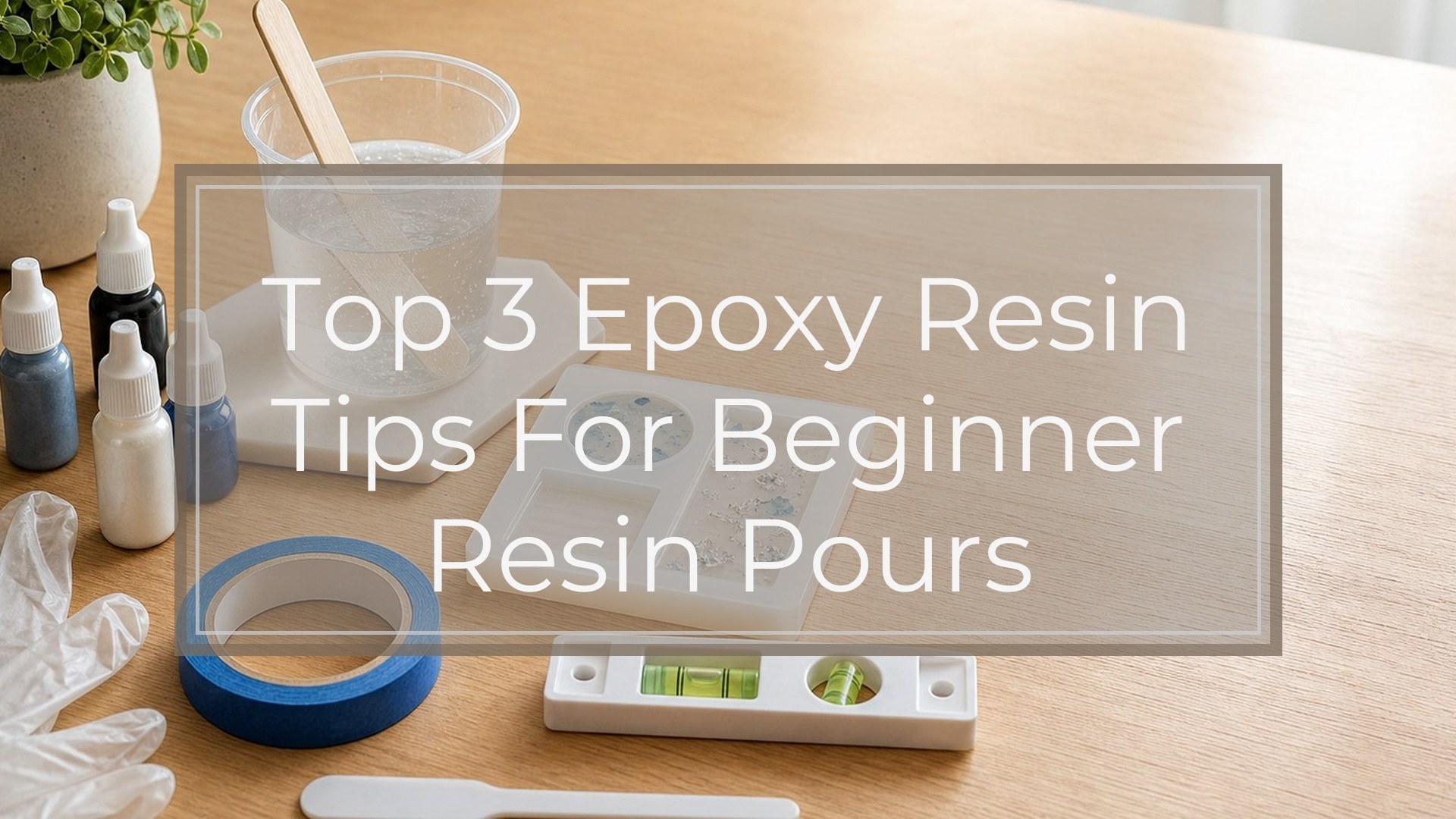
The top 3 epoxy resin tips are simple: measure and mix accurately, control bubbles and temperature, and prepare your workspace before pouring. Most beginner resin problems trace back to one of these areas. Sticky resin usually means measuring or mixing went wrong. Cloudy, bubbly, or uneven finishes often come from temperature, stirring, or rushed bubble […]